Are your everyday meals missing that special touch? Do you want to elevate simple roasted vegetables or grilled meats from good to gourmet? A rich, glossy glaze can be the secret ingredient that transforms your dishes, adding depth of flavor and an appealing shine.
This DIY guide will show you how to create a versatile, homemade glaze that’s incredibly easy to make. Forget store-bought options filled with additives; crafting your own means you control the ingredients and can customize the taste to perfectly complement your cooking. It’s a simple process that yields impressive results, proving that a little effort can go a long way in the kitchen.
What You’ll Need
Ingredients
- 1 cup (240ml) balsamic vinegar
- 2 tablespoons (30g) brown sugar, or honey/maple syrup
- Pinch of salt (optional)
Tools
- Small saucepan
- Whisk or wooden spoon
- Heat source (stove)
- Measuring cups and spoons
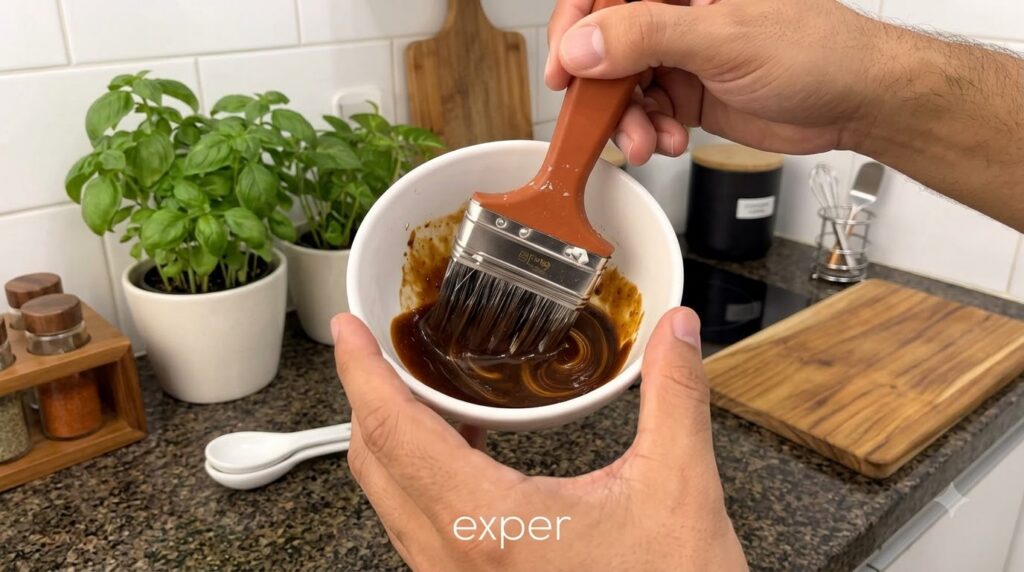
- Basting brush (for application)
Why This DIY Can Be Useful
A good glaze adds layers of flavor, a beautiful sheen, and helps to caramelize the surface of food, enhancing its texture and taste. Balsamic vinegar, when reduced, becomes sweeter and more concentrated, losing its sharp acidity. The addition of brown sugar not only contributes to the sweetness but also aids in creating that desirable sticky, glossy texture. This combination creates a rich, tangy-sweet condiment that can brighten up a variety of dishes.
How to Make It
-
Combine Ingredients: Pour the balsamic vinegar and brown sugar (or honey/maple syrup) into a small saucepan. If using, add a pinch of salt.
-
Bring to a Simmer: Place the saucepan over medium heat. Stir occasionally with a whisk or wooden spoon until the sugar dissolves completely.
-
Reduce the Glaze: Once simmering, reduce the heat to low. Allow the mixture to gently bubble and reduce. Do not cover the pan. This process will take approximately 15-25 minutes, depending on the heat level and the width of your saucepan.
-
Monitor Thickness: The glaze is ready when it has thickened enough to coat the back of a spoon. It will be syrupy but still pourable. Keep in mind that it will thicken further as it cools.
-
Cool and Store: Remove the saucepan from the heat and let the glaze cool completely. As it cools, it will reach its final consistency. Once cool, transfer it to an airtight container.
How to Use It
-
For Roasted Vegetables: Drizzle or brush the glaze over vegetables like Brussels sprouts, carrots, or asparagus during the last 10-15 minutes of roasting.
-
On Meats and Poultry: Brush generously onto grilled chicken, pork tenderloin, steak, or salmon during the final minutes of cooking for a beautiful finish and added flavor.
-
Salad Dressing: Whisk a small amount with olive oil for a simple, flavorful vinaigrette, or drizzle directly over fresh greens.
-
Cheese Boards: A balsamic glaze is a fantastic accompaniment to cheese, especially Parmesan, goat cheese, or fresh mozzarella.
-
Desserts: Drizzle a little over fresh berries, vanilla ice cream, or panna cotta for a sophisticated touch.
What to Expect
You can expect a luscious, dark, and glossy glaze with a concentrated sweet and tangy flavor. Its consistency will be similar to a thin syrup when warm, thickening to a honey-like texture as it cools. The glaze will enhance the natural flavors of your food, adding a sophisticated depth without overpowering the main ingredients. The result is a richer, more visually appealing dish with a delightful sweet-savory balance.
Helpful Tips
-
Flavor Variations: For an extra kick, add a crushed garlic clove or a sprig of fresh rosemary to the vinegar during the simmering process, then strain it out before cooling.
-
Storage: Store your homemade glaze in an airtight container in the refrigerator for up to 2-3 weeks. It may thicken further in the fridge, so let it come to room temperature or gently warm it before use if you prefer a thinner consistency.
-
Don’t Over-Reduce: Be careful not to reduce the glaze too much, or it will become too thick and solidify when cooled. If it becomes too thick, you can gently warm it with a teaspoon of water or more balsamic vinegar to thin it out.
Important Notes / Safety
-
Always use caution when working with hot liquids on the stove to prevent burns.
-
Ensure good ventilation, as reducing vinegar can create strong fumes.
-
Allow the saucepan and glaze to cool significantly before handling or transferring to a storage container.