Discover a simple DIY paste that many home beauty enthusiasts are exploring for a smoother, brighter-looking complexion. This easy-to-make remedy uses two common household ingredients: petroleum jelly and baking soda.
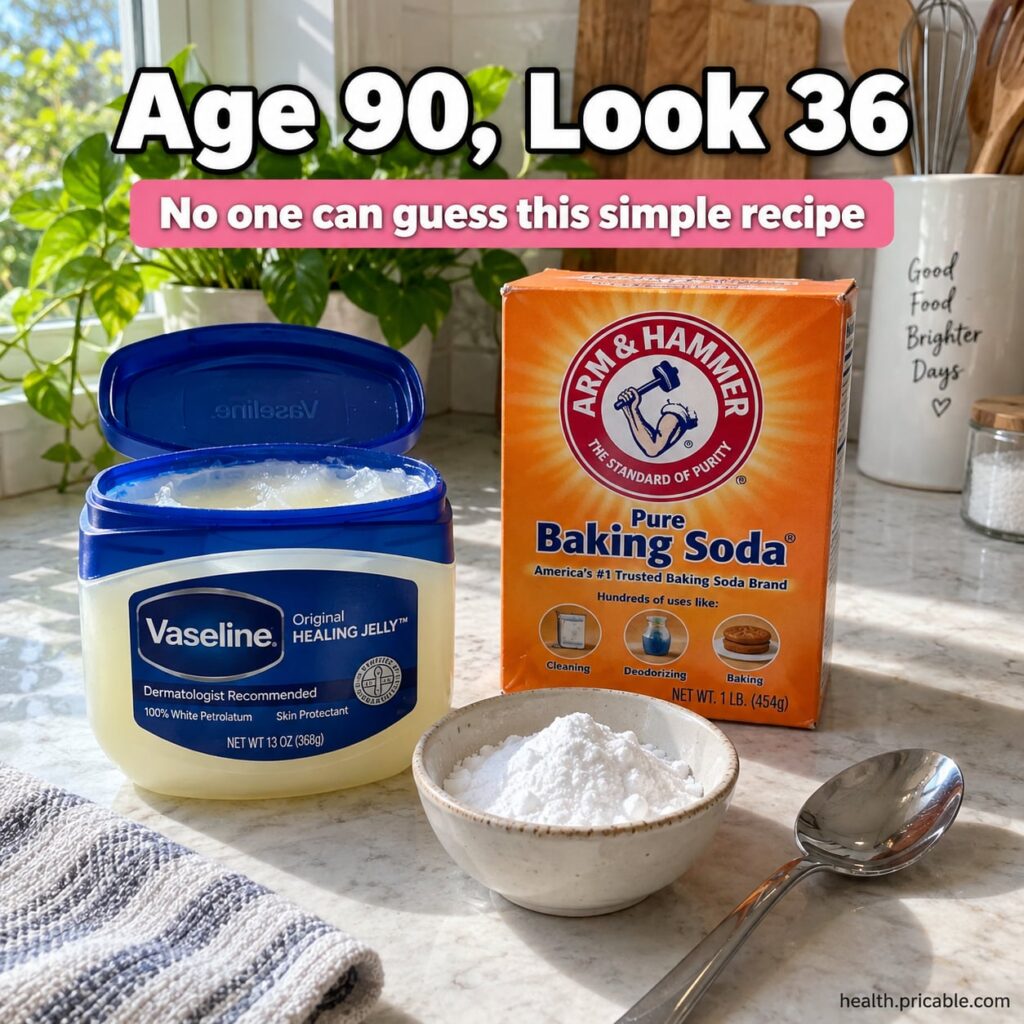
Quick Recipe
Prep time: 2 minutes
Best for: Dull skin, rough texture, promoting a brighter complexion
Use type: Topical paste/mask
Main ingredients:
- Petroleum jelly
- Baking soda
Ingredients
- 1 teaspoon petroleum jelly (such as Vaseline)
- 1/2 teaspoon baking soda (sodium bicarbonate)
How to Make It
- Take a small, clean bowl or a flat surface.
- Add 1 teaspoon of petroleum jelly to the bowl.
- Carefully add 1/2 teaspoon of baking soda to the petroleum jelly.
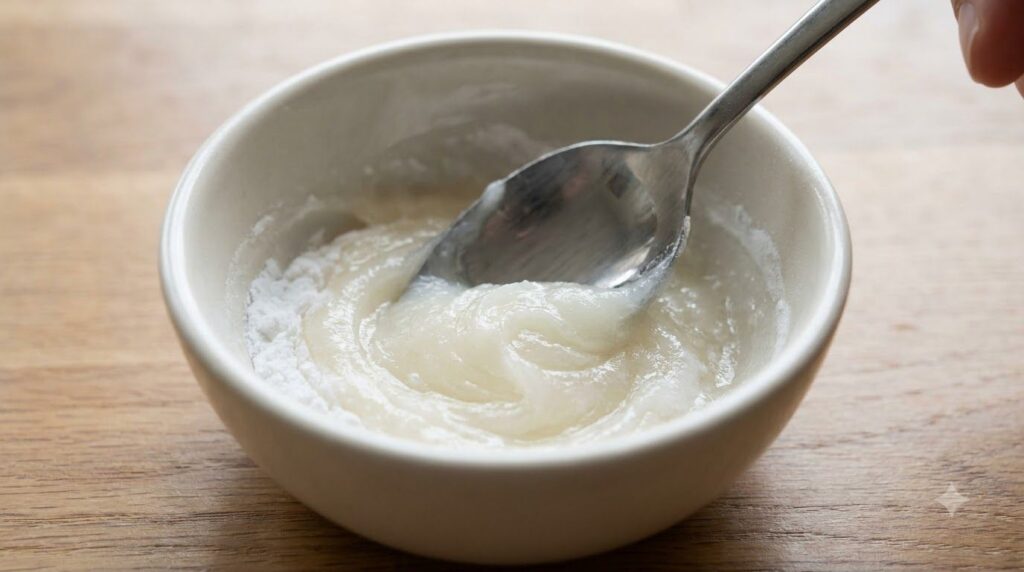
- Using a clean spoon or spatula, mix the two ingredients thoroughly until they form a smooth, consistent paste.
How to Use It
- Cleanse your skin: Start with a clean, dry face. Gently wash your face with your usual cleanser and pat it dry.
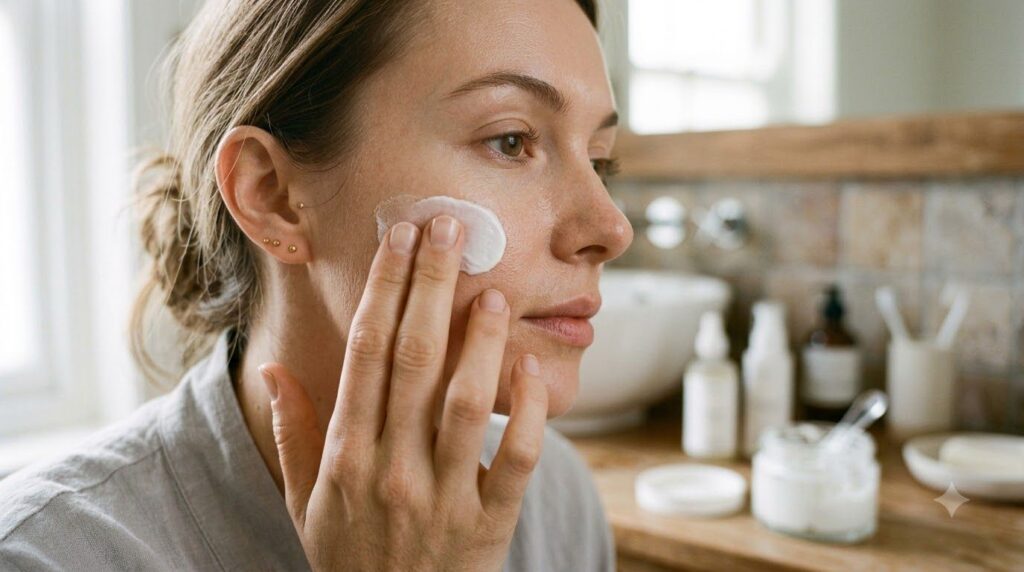
- Apply a thin layer: Using your fingertips, apply a very thin, even layer of the paste to the desired areas of your face, avoiding the delicate skin around the eyes and mouth.
- Gentle massage (optional): If desired, you can very gently massage the paste into your skin in small, circular motions for about 15-30 seconds. Do not scrub harshly.
- Leave on: Allow the paste to sit on your skin for no more than 3-5 minutes. For first-time users or those with sensitive skin, aim for 1-2 minutes.
- Rinse off: Rinse your face thoroughly with lukewarm water, making sure to remove all traces of the paste. You may need to use a soft washcloth to gently wipe it away.
- Moisturize: Finish by applying your favorite hydrating moisturizer to help soothe and nourish your skin.
How Often to Use It
Due to the exfoliating nature of baking soda, it’s recommended to use this paste sparingly. Start by using it no more than once a week. If your skin tolerates it well, you might consider using it up to twice a week, but always observe how your skin reacts.
Why These Ingredients Are Used
Petroleum jelly
Petroleum jelly is a well-known occlusive agent, meaning it forms a protective barrier on the skin’s surface. This barrier helps to lock in moisture, prevent water loss, and can give the skin a smoother, plumper appearance. It’s often used in home remedies to help ingredients spread easily and provide a moisturizing base.
Baking soda
Baking soda (sodium bicarbonate) is a mild abrasive that is sometimes used in DIY skincare for its exfoliating properties. When used gently, it may help to buff away dead skin cells, which can contribute to a brighter-looking complexion and a feeling of smoother skin. Its alkaline nature is also sometimes explored to balance the appearance of oily skin.
What Results to Expect
This DIY paste may help your skin feel softer and appear smoother immediately after use, thanks to the gentle exfoliation. Regular, careful use could contribute to a brighter, more even-toned looking complexion and a more refreshed appearance. While it can support the look of healthy skin, it’s important to have realistic expectations; this remedy is a home beauty trick, not a medical treatment, and will not reverse significant signs of aging.
Safety Notes
- Patch test first: Always perform a patch test on a small, inconspicuous area of your skin (like behind your ear or on your inner arm) at least 24 hours before applying it to your face. Watch for any redness, irritation, or discomfort.
- Use gently: Baking soda can be abrasive. Avoid harsh scrubbing or prolonged application, especially on sensitive skin.
- Avoid irritated or broken skin: Do not use this paste on skin that is irritated, broken, sunburned, or has any open wounds.
- Stop using if discomfort occurs: If you experience any burning, stinging, excessive redness, or irritation, rinse the paste off immediately with cool water and discontinue use.
- Eye and mouth area: Keep the paste strictly away from the delicate skin around your eyes and mouth.
- Skin pH: Baking soda is alkaline, and frequent use may disrupt your skin’s natural pH balance, potentially leading to dryness or irritation. Use sparingly.
- Consult a professional: If you have sensitive skin, a skin condition (like rosacea, eczema, or acne), or are using prescription skincare, consult with a dermatologist before trying new home remedies.
FAQ
Can this paste be used daily?
No, it is not recommended for daily use. Baking soda can be harsh on the skin if used too frequently. Stick to once or twice a week at most, always observing your skin’s reaction.
Is Vaseline safe for the face?
Petroleum jelly (Vaseline) is generally considered non-comedogenic for most people, meaning it’s unlikely to clog pores. However, individual reactions can vary. It forms an occlusive barrier, which can be beneficial for very dry skin, but some might find it too heavy.
What if my skin feels dry after using it?
Baking soda can be drying. Ensure you follow up with a good hydrating moisturizer immediately after rinsing off the paste. If dryness persists, you may be using it too often or leaving it on for too long. Discontinue use if severe dryness or irritation occurs.
Final Thoughts
This simple petroleum jelly and baking soda paste offers a popular DIY approach to achieving smoother, brighter-looking skin. Remember to always prioritize your skin’s health by performing a patch test and using the remedy gently and sparingly. If you’re seeking to refresh your complexion with accessible ingredients, this could be an interesting option to explore. Always listen to your skin and consult a professional if you have any concerns!
Share your favorite gentle home remedies for glowing skin in the comments below!