Most people ignore this vibrant part of the banana plant. While the fruit gets all the attention, the beautiful, often-discarded banana flower holds a surprising treasure trove of nutrients and culinary possibilities. If you’ve ever wondered what to do with that striking purple bloom hanging beneath a bunch of bananas, you’re in the right place. Far from just a decorative piece, the banana flower, also known as banana heart, is a versatile ingredient that can elevate your cooking and offer unique wellness properties.
This guide will peel back the layers on this remarkable ingredient, showing you exactly how to prepare it, cook with it, and unlock its full potential in your kitchen. Forget vague health claims; we’re diving into practical steps, essential tips, and delicious uses.
What is the Banana Flower?
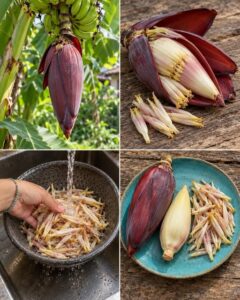
The banana flower, botanically known as an inflorescence, is the tear-shaped, deep purple-red blossom that grows at the end of a banana fruit cluster. In many Asian and Southeast Asian cuisines, it’s a cherished vegetable, valued for its fibrous texture and mild, slightly bitter, and subtly sweet taste. It’s often eaten raw in salads, stir-fried, added to curries, or made into fritters.
Why It’s Worth Exploring
Beyond its unique flavor, the banana flower is packed with essential nutrients. It’s a good source of fiber, vitamins (A, C, E), and minerals like potassium, calcium, magnesium, and iron. Traditionally, it has been used to support digestive health, manage blood sugar levels, and provide antioxidants. Integrating it into your diet can be a delicious way to boost your nutrient intake with an often-underrated ingredient.
Ingredients for Basic Preparation
Before you start cooking, the most important ingredient is, of course, the banana flower itself. You’ll also need a few basic pantry items for the cleaning process:
- 1 fresh banana flower (approximately 1-1.5 lbs / 500-700g)
- 2-3 cups water
- 2 tablespoons lemon juice or white vinegar
- 1 teaspoon salt
- Olive oil or cooking oil (for subsequent cooking)
- Your choice of herbs and spices for flavor (e.g., turmeric, chili, garlic)
Approximate Measurements
For a single banana flower, these measurements are usually sufficient for cleaning. The yield of edible parts can vary, but typically one flower provides enough for 2-4 servings, depending on how it’s incorporated into a dish.
- Banana Flower: 1 medium to large size
- Water for Soaking: Enough to submerge the chopped flower (approx. 2-3 cups)
- Acid (Lemon Juice/Vinegar): 1-2 tablespoons per 2 cups of water
- Salt: 1 teaspoon for soaking water, plus more to taste during cooking
Formula / Recipe: Preparing Banana Flower for Cooking
The key to enjoying banana flower lies in proper preparation. It contains a sticky sap and a slightly bitter, astringent taste that needs to be removed. Here’s the essential formula:
- Remove outer bracts: Peel off the tough, dark purple outer layers until you reach the paler, softer core.
- Extract florets: Pluck out the individual florets found between the outer bracts.
- Clean florets: For each floret, remove the tough, clear-plastic-like stigma (the anther) and the tiny, hard calyx (the pistil) – these are bitter and chewy.
- Chop and soak: Immediately chop the pale core and cleaned florets into desired pieces. Soak them in acidulated (lemon/vinegar) saltwater to prevent discoloration and remove excess sap.
- Boil (optional but recommended): Briefly boil the chopped flower to further reduce bitterness and soften the texture.
Step-by-Step Method for Cleaning and Preparing
Part 1: Initial Cleaning
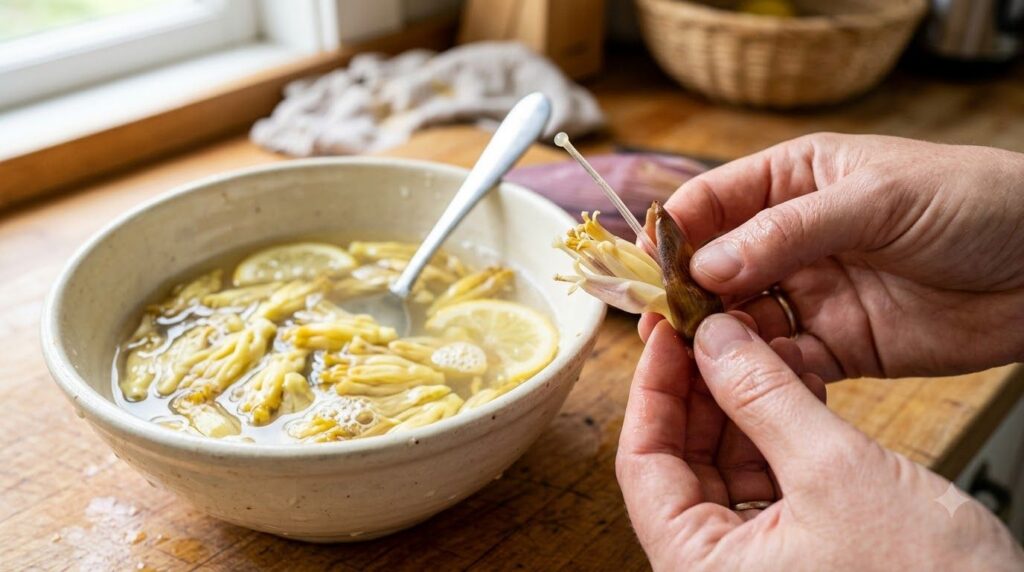
- Prepare your workspace: Have a bowl of water with 1 tablespoon lemon juice and 1/2 teaspoon salt ready. This ‘acidulated water’ is crucial to prevent the banana flower from browning and to help remove bitterness.
- Peel Outer Layers: Place the banana flower on a cutting board. Start peeling off the tough, dark purple outer bracts (leaves), one by one, until you expose the paler, yellowish-white inner core. You’ll notice small, pale yellow florets attached to the base of each bract. Discard the dark outer bracts once you reach the paler ones that are tender.
- Harvest Florets: As you peel the outer bracts, you’ll see clusters of individual florets. Pluck these florets and immediately place them into the acidulated water. Continue this process until you reach the pale, compact core.
- Clean Individual Florets: This is the most time-consuming but crucial step. Take each floret and identify two parts to remove: the tough, clear plastic-like stigma (the anther) and the tiny, hard calyx (the pistil), which is usually pale yellow or white and shaped like a matchstick head. Pinch these off and discard them. The remaining soft part of the floret goes back into the acidulated water.
Part 2: Preparing the Core & Final Soak
- Chop the Core: Once you’ve removed all the outer bracts and collected the florets, you’ll be left with a pale, compact inner core. Slice this core thinly or chop it into small pieces, depending on your recipe. Immediately immerse the chopped core into the acidulated water with the florets.
- Soak Time: Let all the banana flower pieces soak for at least 30 minutes, or up to an hour. You’ll notice the water becoming cloudy and discolored as the sap and bitterness are drawn out.
- Rinse and Drain: Drain the banana flower, rinse it thoroughly under cold running water, and squeeze out any excess liquid.
Part 3: Parboiling (Recommended)
- Boil: Place the cleaned and rinsed banana flower pieces into a pot, cover with fresh water, and bring to a boil.
- Simmer: Reduce heat and simmer for 5-10 minutes, or until tender-crisp.
- Drain and Rinse: Drain again and rinse under cold water. Squeeze out as much liquid as possible. Your banana flower is now ready for cooking!
How to Use Banana Flower
Once prepared, banana flower is incredibly versatile. Its mild flavor and firm, flaky texture make it an excellent addition to various dishes. Consider it a unique vegetable or a meat substitute due to its satisfying texture.
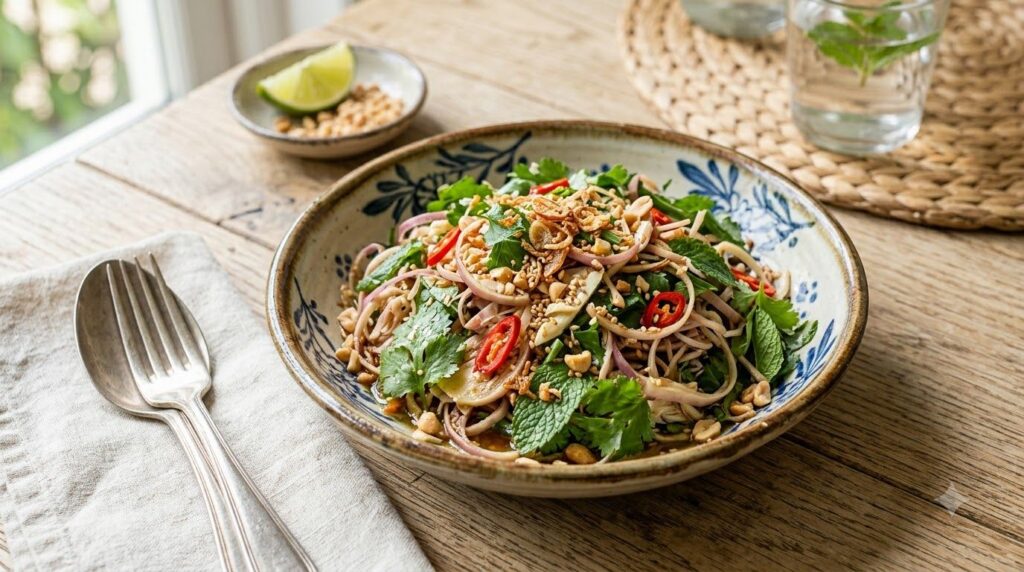
- Salads: Often used raw (after thorough cleaning and soaking) in refreshing salads with coconut, lime, and chili.
- Curries: A popular ingredient in creamy coconut-based curries, especially in South Indian and Southeast Asian cuisines.
- Stir-fries: Adds a delightful texture to stir-fried vegetables and proteins.
- Fritters/Patties: Ground or finely chopped, it can be mixed with spices and flour to make crispy fritters.
- Soups and Stews: Contributes body and nutrients to hearty soups.
How Often to Use
There’s no strict rule for how often to consume banana flower. Given its nutritional benefits, incorporating it into your diet 1-2 times a week as part of a varied meal plan is a great way to enjoy its unique qualities. It’s best enjoyed as part of balanced meals rather than as a standalone remedy.
Quick Tip: Fresh vs. Prepared
While fresh banana flower offers the best texture and flavor, some Asian markets sell it pre-cleaned and packed in brine or water. These can be convenient but may have a slightly different texture and require rinsing to remove excess salt.
How to Buy / How to Choose Ingredients
When buying a banana flower, look for these signs of freshness:
- Color: A deep, vibrant purple-red color for the outer bracts.
- Firmness: It should feel firm and heavy for its size. Avoid flowers that are soft, mushy, or have brown spots.
- Stem: A fresh-looking, firm stem is a good indicator.
- No damage: Ensure there are no signs of mold, wilting, or significant physical damage.
Specialty Asian or international grocery stores are your best bet for finding fresh banana flowers. Sometimes, even larger regular supermarkets carry them in their exotic produce section.
Storage
Proper storage is crucial to maintain freshness:
- Whole, Uncut: Store the whole banana flower in a cool, dry place (like your countertop) for 2-3 days, or in the refrigerator’s crisper drawer for up to a week.
- Cleaned and Chopped: Once cleaned and chopped, it’s best to use it immediately. If you must store it, keep it submerged in fresh, acidulated water (water with a splash of lemon juice or vinegar) in an airtight container in the refrigerator for up to 1-2 days. Drain and rinse thoroughly before use.
Practical Tips
- Gloves are your friend: The sap can stain your hands and cutting board. Wearing gloves and oiling your knife and board can help prevent this.
- Don’t skip the soak: The acidulated water soak is non-negotiable for flavor and appearance.
- Batch prep: If you’re planning to use banana flower multiple times, you can clean and parboil a larger batch, then store it in the refrigerator (submerged in water) for a couple of days.
- Taste as you go: If you’re new to banana flower, taste a small piece after parboiling to gauge its bitterness and adjust your subsequent cooking accordingly.
Common Mistakes
Avoiding these common pitfalls will ensure a more enjoyable experience with banana flower:
- Skipping the cleaning steps: Not removing the stigma and calyx, or not soaking in acidulated water, will result in a bitter and unappetizing dish.
- Not using gloves: The sticky sap can stain hands and surfaces significantly.
- Overcooking: While parboiling is good, cooking it too long in your final dish can make it mushy and lose its appealing texture.
- Ignoring freshness: Using an old or damaged banana flower will yield poor results in taste and texture.
- Under seasoning: Banana flower has a mild flavor, so it needs robust seasonings and aromatics to shine in a dish.
| Preparation Method | Best Use Case | Flavor Profile | Texture |
|---|---|---|---|
| Raw (cleaned & soaked) | Salads, fresh wraps | Mildly bitter, fresh, slightly crunchy | Crisp, firm |
| Parboiled & Chopped | Stir-fries, curries, soups | Neutral, absorbs flavors well | Tender-crisp, flaky |
| Finely Minced & Cooked | Fritters, patties, ‘crab cake’ substitutes | Blends with seasonings | Soft, meaty |
Cautions / Who Should Avoid It
While generally safe for consumption, some considerations apply:
- Allergies: If you have allergies to bananas or other related plants, exercise caution.
- Medication Interactions: As with any food, if you are on specific medications (especially for blood sugar or blood pressure), consult with a healthcare professional, as some traditional uses suggest an impact on these. However, in typical culinary amounts, it’s unlikely to cause significant issues.
- Pregnancy/Breastfeeding: While consumed safely in many cultures, specific medicinal claims or high doses should be avoided without professional advice. Stick to culinary amounts.
Quick Summary
The banana flower is a versatile, nutrient-rich vegetable. Best prepared by removing outer bracts, cleaning individual florets (removing stigma and calyx), and soaking in acidulated water, followed by an optional parboil. It excels in salads, curries, stir-fries, and fritters. Store whole in the fridge for up to a week, or cleaned and soaked for 1-2 days. Avoid skipping the cleaning steps to prevent bitterness and discoloration.
FAQ
- Can I eat banana flower raw? Yes, after thorough cleaning, soaking in acidulated water, and draining, it can be eaten raw in salads.
- How do I remove the bitterness? The key is removing the tiny stigma and calyx from each floret and soaking the chopped flower in acidulated (lemon/vinegar) saltwater. Parboiling further reduces bitterness.
- Can I use frozen banana flower? Some specialty stores sell frozen, pre-sliced banana flower. If using, thaw and rinse well. Its texture might be slightly softer than fresh.
- How long does fresh banana flower last? A whole, uncut banana flower can last up to a week in the refrigerator. Once cleaned and chopped, it’s best used within 1-2 days if stored submerged in acidulated water.
- What can I substitute if I can’t find banana flower? Artichoke hearts or heart of palm can offer a similar texture in some dishes, though the flavor will be different.
- Is the sap harmful? The sap is sticky and can stain, but it is not harmful to consume in small quantities. However, it contributes to the bitterness, which is why cleaning is important.
- What part of the banana flower is edible? The pale inner bracts, the inner core, and the cleaned individual florets are all edible. The tough, dark outer bracts are typically discarded.
- Can I reuse the soaking water? No, the soaking water will contain sap and bitterness. Always use fresh water for soaking and parboiling.
Conclusion
The banana flower, often overlooked, is a culinary gem waiting to be discovered. With its unique texture and mild flavor, it can add depth and nutrition to a wide array of dishes, from crisp salads to rich curries. By understanding the simple preparation steps – primarily cleaning and soaking – you can easily transform this humble blossom into a star ingredient in your kitchen. Embrace the unexpected and give the banana flower a try; your taste buds (and your body) will thank you for it.
You may also like: Discovering Exotic Vegetables for Healthy Eating
Read more: The Best Plant-Based Meat Substitutes