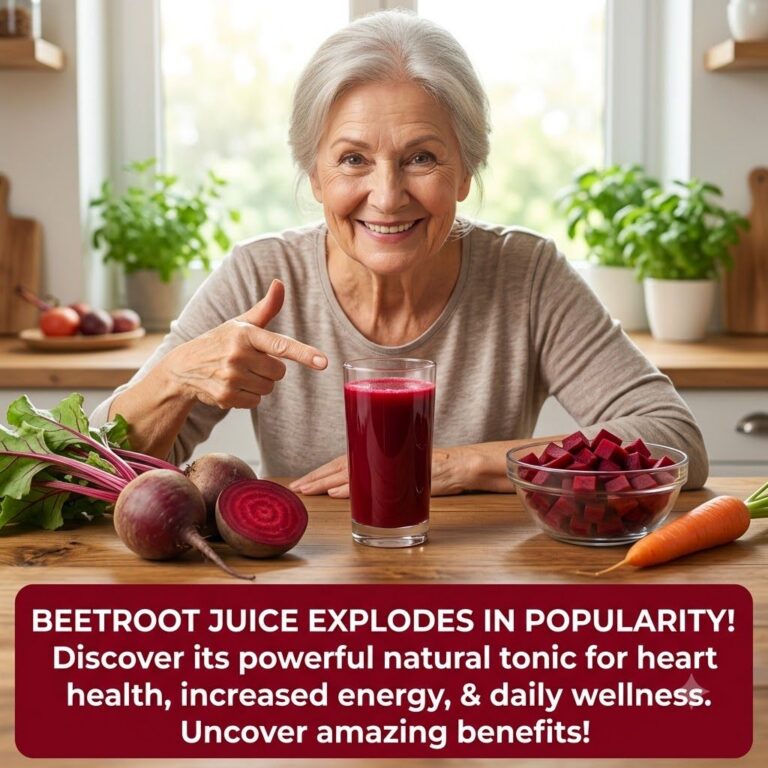
Have you ever noticed that humble beetroot, with its deep, earthy flavor and stunning crimson hue, popping up more often in health blogs and juice bars? What if this vibrant root vegetable holds a secret to boosting your daily vitality, supporting your heart, and giving you an energy lift that feels truly natural?
For centuries, cultures around the world have recognized the unique properties of beets. But in today’s fast-paced world, where we’re constantly seeking ways to enhance our well-being without relying solely on synthetic solutions, beetroot juice is rapidly gaining recognition as a natural powerhouse. It’s more than just a colorful drink; it’s a tonic that many are embracing to feel their best, naturally.
Why Beetroot Juice Matters for Your Wellness Journey
In our quest for lasting energy, robust health, and a clear mind, many of us turn to natural solutions that have stood the test of time or are backed by emerging science. Beetroot juice fits perfectly into this philosophy, capturing the attention of those who prefer a holistic approach to wellness.
Perhaps you’ve heard whispers about its benefits for athletes or those seeking to maintain healthy blood pressure. These aren’t just myths! Beetroot juice has gained significant traction because its benefits are not just anecdotal; a growing body of research is exploring its potential to support various aspects of health.
This makes beetroot juice particularly appealing to our community – adults aged 35–70 who are proactive about their health, research thoroughly, and are keen to integrate practical, natural remedies into their daily routines. It’s an accessible way to harness the power of nature for better aging, improved vitality, and natural prevention.
The Powerhouse Nutrients in Beets: More Than Just a Pretty Color
The magic of beetroot juice lies in its unique nutritional profile. While its vivid color comes from compounds called betalains, these aren’t just for show! They are potent antioxidants and anti-inflammatory agents that contribute significantly to the health benefits of beets.
Nitrates: Your Natural Circulation Booster
One of the most talked-about components of beetroot is its high concentration of dietary nitrates. When you consume beetroot juice, these nitrates convert into nitric oxide in your body.
- Traditional Understanding: Historically, beets were recognized for their ‘blood-building’ properties, often associated with their deep red color.
- Modern Scientific Understanding: Nitric oxide is a powerful vasodilator, meaning it helps relax and widen blood vessels. This can lead to improved blood flow, which in turn may help maintain healthy blood pressure levels and support overall cardiovascular health. It’s like a gentle internal massage for your circulatory system!
Betalains: Nature’s Antioxidant and Anti-Inflammatory Shield
Beyond nitrates, betalains are crucial. These pigments give beets their vibrant red and yellow hues and act as powerful antioxidants.
- Role in the Body: Betalains help combat oxidative stress, which is a major contributor to aging and many chronic conditions. By neutralizing free radicals, they may support cellular health and offer anti-inflammatory benefits throughout the body.
Vitamins and Minerals: A Full Spectrum of Support
Beetroot is also rich in essential vitamins and minerals, including:
- Folate (Vitamin B9): Important for cell growth and function.
- Manganese: Crucial for bone formation, metabolism, and antioxidant defense.
- Potassium: Key for fluid balance and nerve signals.
- Vitamin C: An antioxidant that supports immune function.
- Iron: Though not as high as some sources, it contributes to healthy red blood cell formation.
Together, these compounds create a synergistic effect, making beetroot juice a truly holistic addition to your wellness routine.
Practical Guide: Incorporating Beetroot Juice into Your Day
Ready to experience the vibrant benefits of beetroot juice? Here’s how you can easily make and enjoy this natural tonic at home.
Making Your Own Fresh Beetroot Juice
The freshest juice offers the most potent benefits. All you need are a juicer (or a high-speed blender and a fine-mesh sieve/nut milk bag).
- Choose Your Beets: Select firm, blemish-free beets with healthy greens attached if possible (the greens are also highly nutritious!).
- Prepare: Wash beets thoroughly. You can peel them if you prefer, but many nutrients are close to the skin. Trim the ends.
- Juice: Cut beets into smaller pieces for your juicer. You can add other ingredients to enhance flavor and nutrient profile.
Creative Combinations for Better Taste
If the earthy taste of pure beetroot juice isn’t your favorite, don’t worry! It pairs beautifully with other fruits and vegetables:
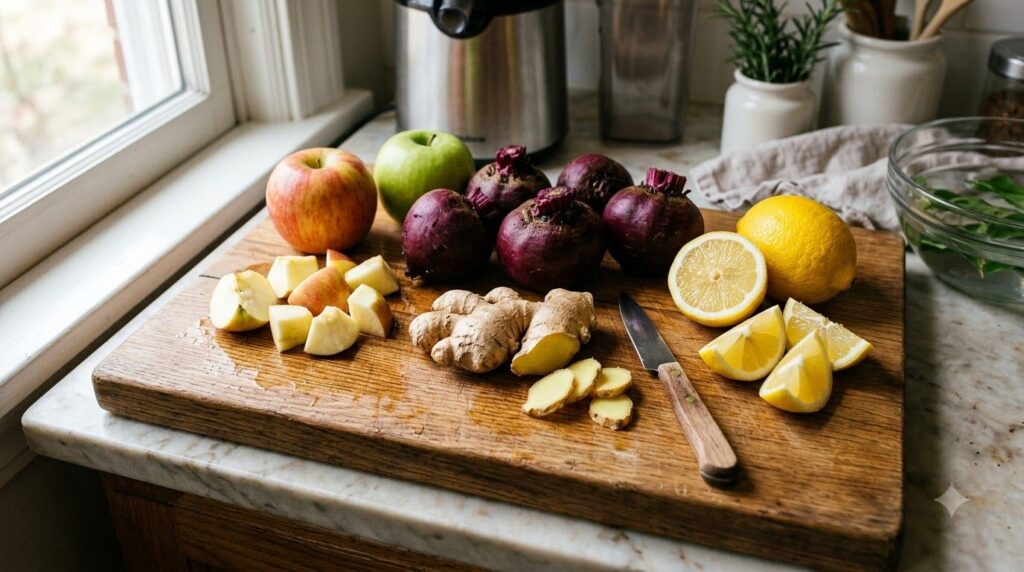
- Apple & Ginger: A classic combination that adds sweetness and a spicy kick.
- Carrot & Orange: Boosts Vitamin A and C, offering a sweeter, brighter flavor.
- Lemon & Cucumber: For a refreshing, detoxifying twist.
- Berries: Add a handful of strawberries or raspberries for extra antioxidants and natural sweetness.
When and How Much to Drink
- Frequency: Many find benefits from drinking 4-8 ounces (120-240 ml) of beetroot juice a few times a week, or even daily.
- Timing: Enjoy it in the morning to kickstart your day, or about an hour before a workout to potentially enhance endurance.
- Beginner Tip: Start with a smaller amount (e.g., 2-4 ounces) and dilute it with water or other juices to allow your body to adjust to its potency.
Safety & Precautions: Important Considerations
While beetroot juice is a natural powerhouse, it’s essential to be aware of certain considerations before making it a regular part of your diet.
- Beeturia: Don’t be alarmed if your urine or stool turns pink or red after consuming beets. This harmless phenomenon, called beeturia, is due to the betalain pigments and affects some individuals.
- Oxalate Content: Beets contain oxalates, which can contribute to kidney stone formation in susceptible individuals. If you have a history of kidney stones, consult your healthcare provider before consuming large quantities of beetroot juice.
- Blood Pressure Medication: Due to its potential to lower blood pressure, if you are on medication for high blood pressure, consult your doctor to ensure beetroot juice won’t interact negatively or cause your blood pressure to drop too low.
- Allergies: Though rare, some individuals may be allergic to beets. Discontinue use if you experience any adverse reactions.
- Pregnancy & Existing Conditions: As with any significant dietary change, if you are pregnant, breastfeeding, or have any existing medical conditions, it’s always wise to discuss with a healthcare professional before adding beetroot juice to your routine.
Key Takeaways: Embrace the Beetroot Boost
- Beetroot juice is a nutrient-dense tonic, rich in nitrates and betalains.
- Its nitrates convert to nitric oxide, which may support healthy blood pressure and improved circulation.
- Betalains act as powerful antioxidants and anti-inflammatory compounds.
- It can naturally boost energy and endurance, making it popular among athletes.
- Easy to prepare at home, and its earthy taste can be balanced with other fruits and vegetables.
- Be mindful of potential side effects like beeturia and oxalate content, and consult a doctor if you have underlying health conditions or are on medication.
Frequently Asked Questions About Beetroot Juice
How much beetroot juice should I drink daily for benefits?
There’s no strict recommendation, but many people find benefits from 4-8 ounces (120-240 ml) a few times a week or daily. It’s often best to start small and see how your body responds.
Does beetroot juice really boost energy?
Many users report an energy boost. This is attributed to the nitrates, which improve oxygen delivery to muscles, potentially enhancing stamina and reducing fatigue, especially during physical activity.
Can I drink beetroot juice on an empty stomach?
Yes, many people prefer to drink it on an empty stomach in the morning to maximize absorption and kickstart their day. However, if you experience any digestive discomfort, try having it with a meal.
What does beetroot juice taste like?
Pure beetroot juice has a distinct earthy flavor. Some describe it as slightly sweet, while others find it a bit strong. Mixing it with fruits like apples, oranges, or berries can significantly improve its palatability.
Is homemade beetroot juice better than store-bought?
Homemade juice is generally preferred as it’s fresh, free from added sugars or preservatives, and retains the maximum amount of nutrients. If buying store-bought, look for cold-pressed, organic options with no added ingredients.
Related Reading You Might Enjoy
If you’re fascinated by the natural power of whole foods and herbs, you might also like to explore these topics:
- The Anti-Inflammatory Power of Turmeric and Ginger
- Boosting Your Immunity Naturally with Elderberry
- Healthy Aging: Foods and Habits for Lifelong Vitality
- Understanding Gut Health: Probiotics and Prebiotics Explained
- Simple Herbal Remedies for Everyday Wellness