Unlock Your Green Thumb with These Easy Garden Hacks!
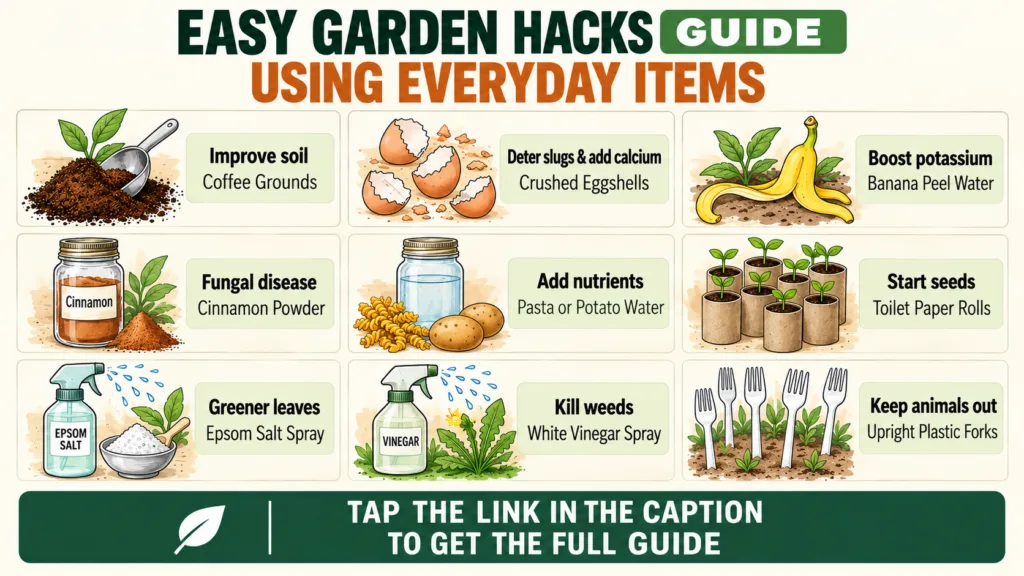
Gardening doesn’t have to be complicated or expensive. In fact, some of the best tools and fertilizers for your garden might already be in your kitchen or pantry! At Garden – L. Quyên, we believe in making gardening accessible and enjoyable for everyone. That’s why we’ve put together a list of fantastic garden hacks using everyday items that can help your plants thrive, deter pests, and improve your soil without breaking the bank or relying on harsh chemicals.
Get ready to transform your gardening routine with these simple, effective, and eco-friendly tips!
1. Coffee Grounds for Enriching Your Garden Soil Naturally
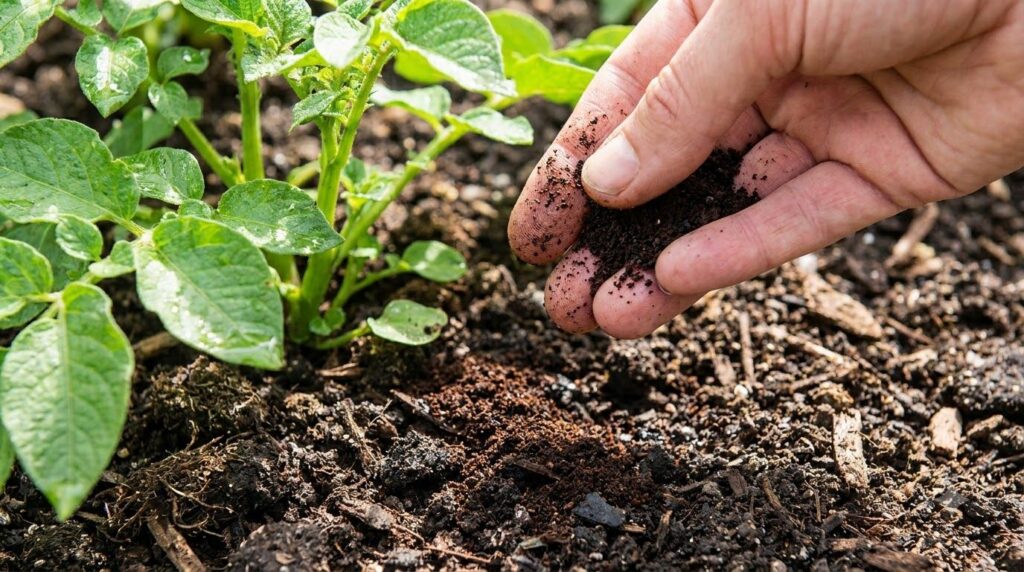
One of the most popular and effective garden hacks involves something many of us discard daily: coffee grounds! Far from being waste, spent coffee grounds are a treasure trove for your garden. They are rich in nitrogen, phosphorus, potassium, and micronutrients, making them an excellent natural fertilizer.
How to Use Coffee Grounds:
- Directly in Soil: Sprinkle used coffee grounds directly around acid-loving plants like roses, blueberries, azaleas, and hydrangeas. Work them gently into the top layer of soil.
- Compost Booster: Add coffee grounds to your compost pile. They’re considered a “green” material, providing nitrogen and accelerating the decomposition process.
- Pest Deterrent: The gritty texture and strong scent of coffee grounds can help deter slugs, snails, and ants from munching on your precious plants.
Pro Tip: Always use spent coffee grounds, as fresh grounds can be too acidic for some plants and may contain caffeine that inhibits growth.
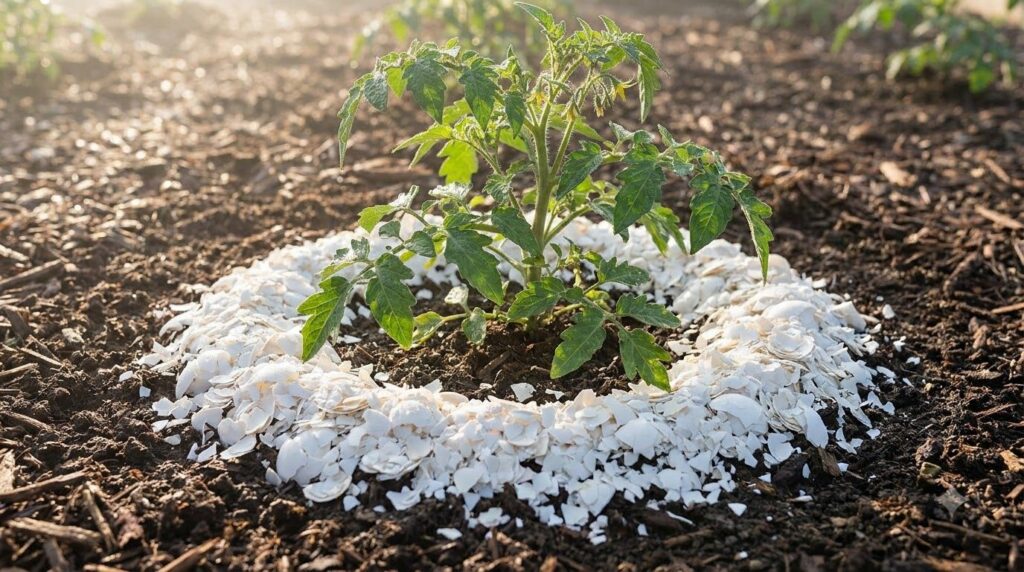
2. Crushed Eggshells for Calcium and Pest Control
Don’t toss those eggshells! They’re packed with calcium carbonate, a vital nutrient for plant cell walls and preventing issues like blossom end rot in tomatoes and peppers. Plus, their sharp edges can be a deterrent for soft-bodied pests.
How to Use Crushed Eggshells:
- Calcium Boost: Wash and dry eggshells thoroughly. Crush them into small pieces (the finer, the faster they break down). Mix them into planting holes for tomatoes, peppers, and other plants that benefit from calcium.
- Slug and Snail Barrier: Create a protective ring of crushed eggshells around vulnerable plants. The sharp edges are uncomfortable for slugs and snails to crawl over.
3. Vinegar as a Natural Weed Killer (Use with Caution!)
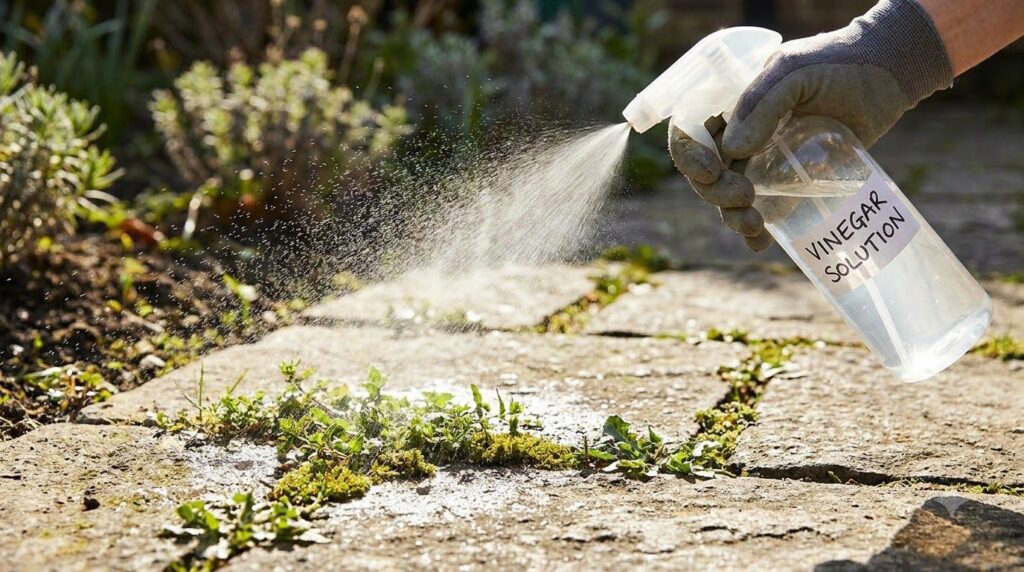
White vinegar, a common household item, can be an effective natural weed killer due to its acetic acid content. However, it’s crucial to use it carefully, as it’s non-selective and will harm any plant it touches.
How to Use Vinegar for Weeds:
- Spot Treatment: Mix equal parts white vinegar and water in a spray bottle. Add a few drops of dish soap to help it stick to the weeds.
- Targeted Application: Spray directly onto weeds on pathways, driveways, or areas where you don’t want any plant growth. Avoid spraying on windy days to prevent drift onto desired plants.
Important: Vinegar lowers soil pH, so avoid using it in areas where you plan to plant soon, or conduct a soil test first.
4. Banana Peels for a Potassium Boost
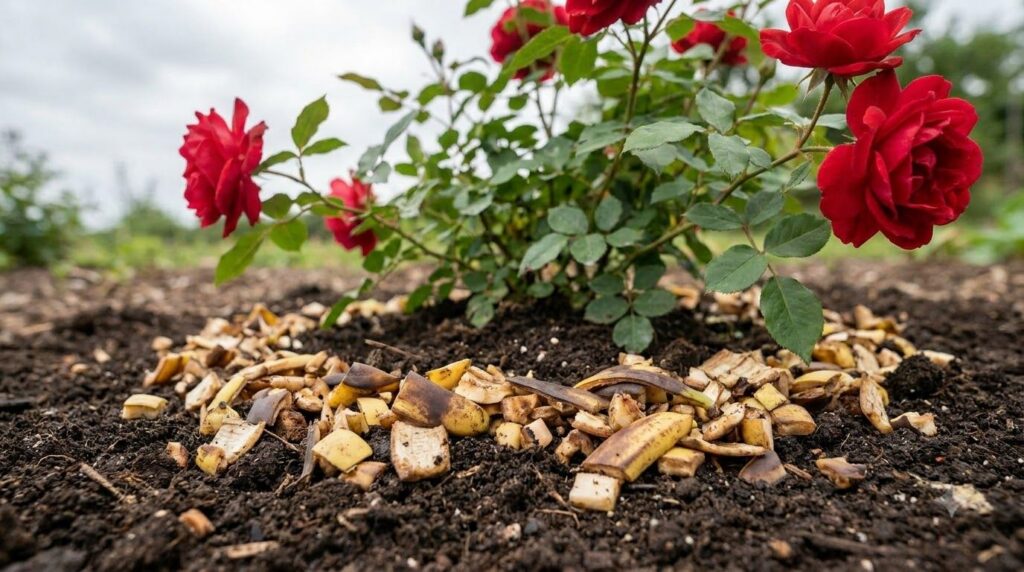
Banana peels are surprisingly beneficial for your garden, especially for flowering and fruiting plants. They are rich in potassium, phosphorus, and calcium, all essential for robust plant growth and bountiful harvests.
How to Use Banana Peels:
- Bury Them: Chop up banana peels and bury them a few inches deep around the base of potassium-hungry plants like roses, tomatoes, and peppers.
- Banana Peel Tea: Soak chopped banana peels in water for a few days. Use the “tea” to water your plants for a gentle nutrient boost.
- Compost: Add them to your compost pile to enrich it with valuable nutrients.
5. Epsom Salts for Greener Leaves and More Flowers
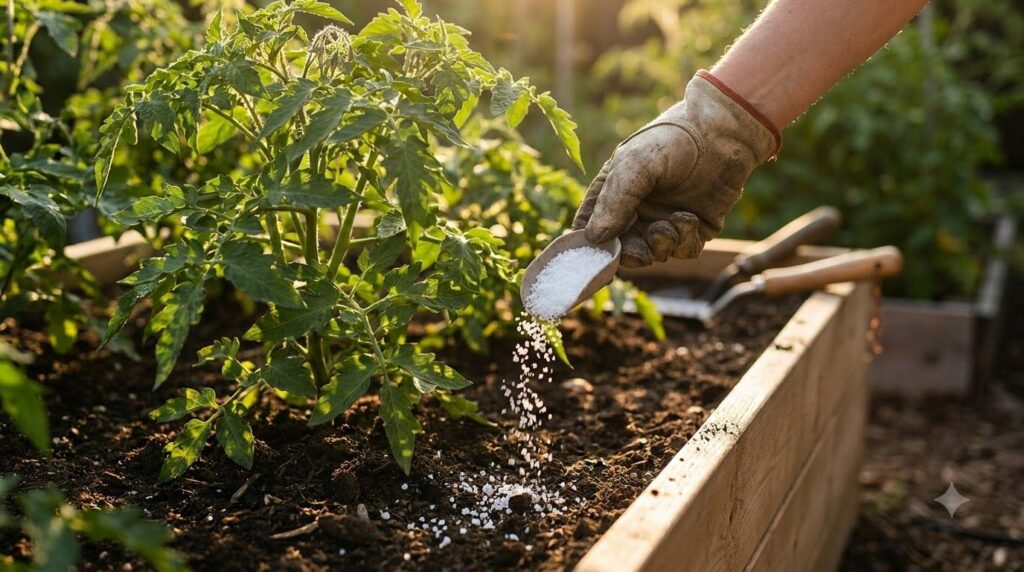
Epsom salt (magnesium sulfate) can work wonders for plants that are deficient in magnesium, leading to yellowing leaves or stunted growth. It can promote bushier growth, greener foliage, and more prolific blooms.
How to Use Epsom Salts:
- Soil Amendment: Sprinkle 1 tablespoon of Epsom salt around the base of plants like roses, tomatoes, or peppers every few weeks, then water thoroughly.
- Foliar Spray: Dissolve 1 tablespoon of Epsom salt in 1 gallon of water. Spray the solution directly onto the leaves of affected plants, preferably in the morning or evening.
Conclusion: Grow Smarter, Not Harder!
With these easy garden hacks using everyday items, you’re well on your way to cultivating a healthier, happier garden. Not only are these methods budget-friendly, but they also promote sustainable practices by repurposing items that might otherwise end up in the trash.
Which hack are you excited to try first? Share your favorite everyday garden tips with us in the comments below! Happy gardening from Garden – L. Quyên!