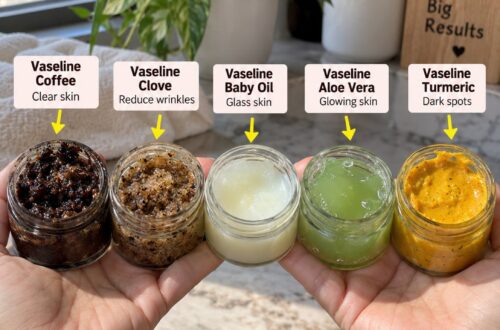
Viral Vaseline skincare mixes are everywhere, promising amazing benefits for your complexion. While Vaseline petroleum jelly is a trusted occlusive, combining it with other ingredients in DIY hacks can sometimes lead to unexpected skin issues. Let’s dive into these popular trends and learn how to navigate them safely.
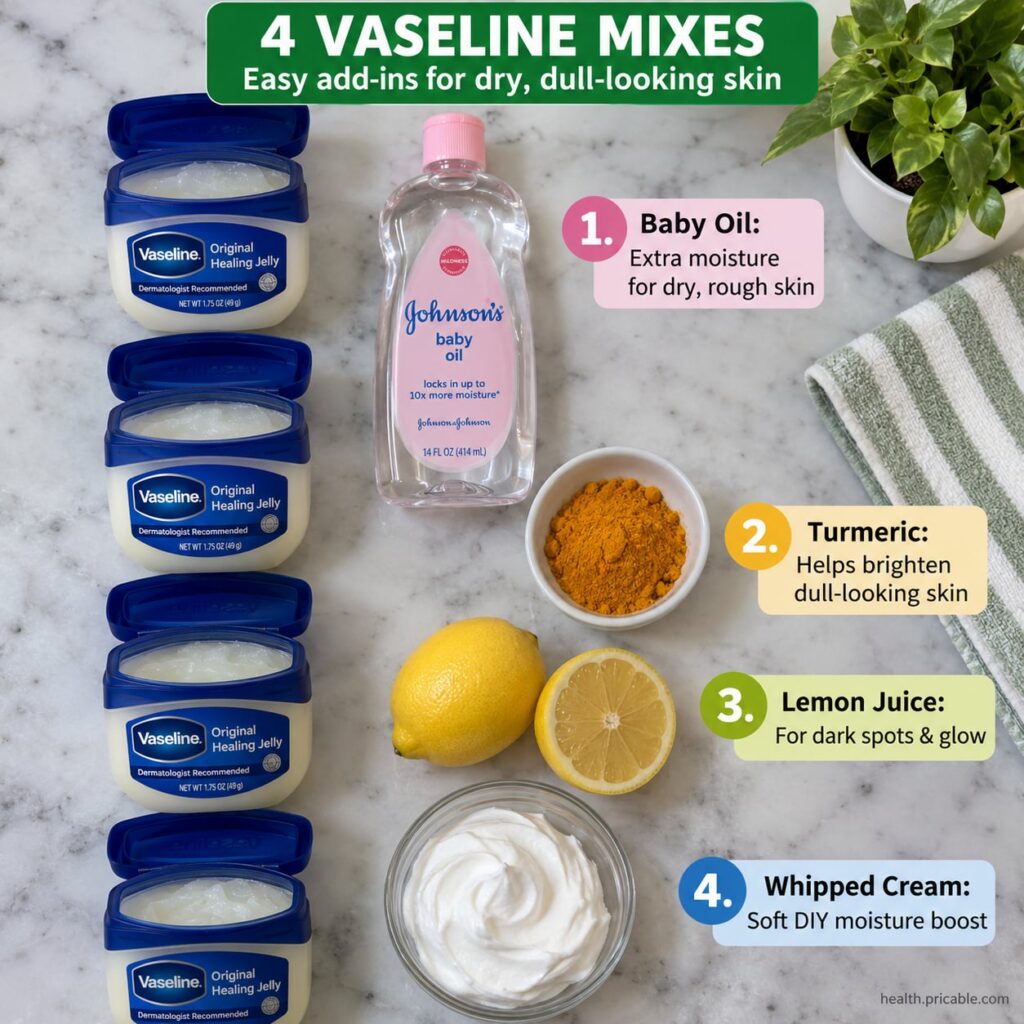
Quick Guide for Safer Skincare Mixing with Vaseline
Prep time: 5 minutes
Best for: General skin hydration, protecting skin barrier, targeted moisture
Use type: Topical application (balm, targeted treatment)
Main ingredients:
- Vaseline Petroleum Jelly
- A gentle, non-comedogenic facial oil
- A hydrating, non-active serum
Understanding Vaseline Petroleum Jelly
Vaseline, or petroleum jelly, is a highly effective occlusive agent. This means it forms a protective barrier on the skin’s surface, locking in moisture and aiding in the skin’s natural healing process. It’s often recommended for very dry skin, minor cuts, and to protect the skin barrier. However, its occlusive nature is precisely why careful consideration is needed when mixing it with other ingredients.
Common Vaseline Mixes and Their Claims
Many viral trends involve mixing Vaseline with ingredients like sugar for a scrub, various oils for a “botox effect,” or even active ingredients like serums. Claims often include instant hydration, wrinkle reduction, brighter skin, or even lash growth. While some combinations might seem harmless, others can pose risks.
Potential Risks and Safety Concerns
Not all ingredients are compatible with Vaseline, or with your skin type. Here are key safety concerns:
- Clogged Pores: While Vaseline itself is generally non-comedogenic (meaning it’s unlikely to clog pores), mixing it with ingredients that are comedogenic can trap them against your skin, potentially leading to breakouts.
- Irritation from Active Ingredients: Applying active ingredients (like retinoids, AHAs, BHAs, or strong Vitamin C) under an occlusive layer like Vaseline can increase their penetration, potentially causing irritation, redness, or sensitivity, especially for sensitive skin types.
- Bacterial Growth: Using unsterilized tools or mixing ingredients incorrectly can introduce bacteria to your DIY concoction, which can then be applied to your face.
- Exfoliant Damage: Mixing Vaseline with coarse exfoliants like sugar can create a scrub that’s too harsh for facial skin, causing micro-tears and irritation.
How to Create Safer Vaseline Mixes
If you want to create your own Vaseline-based beauty mix, prioritize gentleness and clean practices.
- Cleanliness First: Always start with clean hands, a clean mixing bowl, and clean application tools (spatula, cotton swab).
- Choose Compatible Ingredients: Select ingredients known to be gentle and non-irritating for your skin type. Look for non-comedogenic oils or hydrating serums without strong active ingredients.
- Measure Small Amounts: Start with a small amount of Vaseline (e.g., a pea-sized dab) and add only a drop or two of your chosen companion ingredient.
- Mix Thoroughly: Use a clean spatula or a new cotton swab to gently mix the ingredients until well combined.
- Store Appropriately: Store any mixed product in a small, clean, airtight container away from direct sunlight and extreme temperatures. Do not make large batches; fresh is best.
Recommended Ingredients to Pair with Vaseline (and What to Avoid)
Ingredients to Consider
- Gentle Facial Oils: Jojoba oil, squalane oil, argan oil, or rosehip oil (in small amounts) can add extra nourishment and slip. Ensure they are pure and cold-pressed.
- Hydrating Serums: Look for serums with hyaluronic acid or glycerin that focus on hydration, not exfoliation or strong anti-aging actives.
- Aloe Vera Gel: Pure, fragrance-free aloe vera gel can add a soothing element, but use sparingly as it can sometimes pill under occlusives.
Ingredients to Approach with Caution or Avoid
- Sugar or Salt: Abrasive exfoliants can cause micro-tears on delicate facial skin.
- Lemon Juice or Apple Cider Vinegar: These are highly acidic and can disrupt your skin’s pH balance, leading to irritation or photosensitivity.
- Essential Oils: Many essential oils can be highly irritating or sensitizing when applied directly to the skin, especially under an occlusive layer. Always dilute heavily or avoid for face.
- Active Serums: Serums containing retinoids, AHAs, BHAs, or high concentrations of Vitamin C are generally not recommended to be mixed directly with Vaseline or used underneath it without careful consideration, as this can amplify their effects excessively.
How to Use Your Vaseline Mixes
- Cleanse Skin: Always start with clean, dry skin.
- Apply Sparingly: Take a tiny amount of your mix with a clean fingertip or spatula.
- Targeted Application: Gently apply to areas needing extra moisture or protection, such as dry patches, lips, cuticles, or under-eye areas.
- Overnight Treatment: Many Vaseline mixes are best used as an overnight treatment, allowing the ingredients to work while you sleep.
How Often to Use It
Start by using your Vaseline mix 2-3 times a week, especially if you have sensitive or acne-prone skin. Observe how your skin reacts. If well-tolerated and providing desired benefits, you may increase frequency. For very dry areas, daily use might be appropriate.
What Results to Expect
When used safely and with appropriate companion ingredients, Vaseline mixes can help support intense skin hydration, improve the appearance of dry, flaky patches, and strengthen the skin’s moisture barrier. You may notice skin feeling softer, smoother, and more supple. Remember that results are gradual and consistent, safe application is key.
Safety Notes
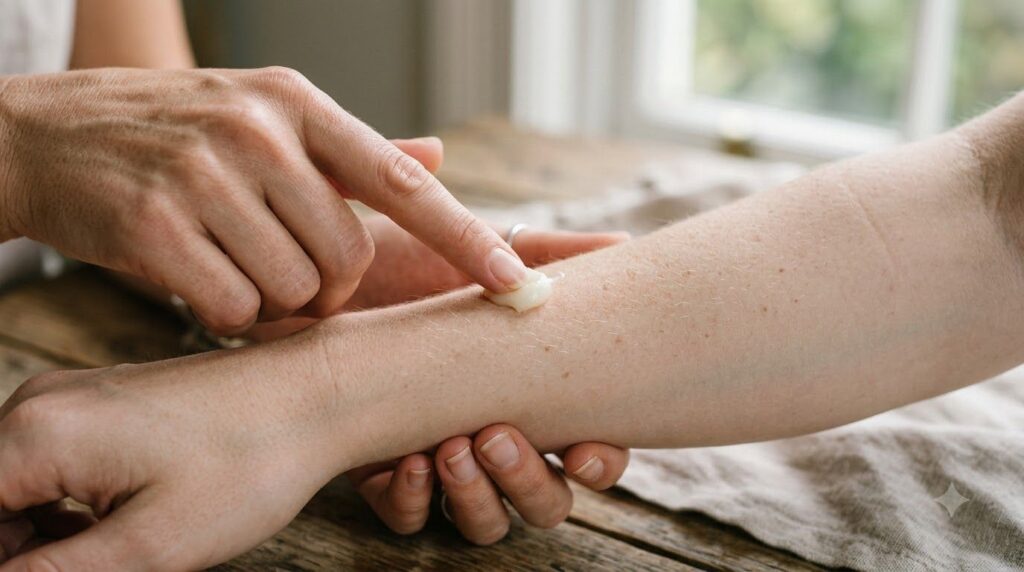
- Patch test first: Always apply a small amount of your mix to an inconspicuous area (like behind the ear or on the inner forearm) and wait 24-48 hours to check for any redness, itching, or irritation before applying to your face.
- Use gently: Do not rub or scrub vigorously, especially when applying to delicate facial skin.
- Avoid irritated or broken skin: Do not apply any DIY mix to open wounds, cuts, or severely irritated skin.
- Stop using it if discomfort occurs: If you experience any burning, stinging, redness, or itching, rinse the product off immediately and discontinue use.
- Consult a professional: If you have specific skin conditions like severe acne, eczema, or rosacea, consult with a dermatologist before trying new DIY remedies.
FAQ
Is Vaseline good for all skin types?
Vaseline is generally considered safe for most skin types, including sensitive skin. However, those with very oily or acne-prone skin should use it sparingly or avoid it on congested areas, as its occlusive nature can potentially trap oils and contribute to breakouts if not used correctly or with pore-clogging companion ingredients.
Can Vaseline clog pores?
Pure Vaseline petroleum jelly is classified as non-comedogenic, meaning it’s unlikely to clog pores on its own. The risk of clogged pores usually arises when it’s mixed with other ingredients that *are* comedogenic, or when it’s applied to skin that isn’t thoroughly cleansed, trapping impurities underneath.
How often can I use Vaseline on my face?
You can use pure Vaseline on your face daily, especially if you have very dry skin or a compromised skin barrier. When using Vaseline in a mix, it’s best to start with 2-3 times a week and adjust based on your skin’s response. Always ensure your skin is clean before application to prevent trapping dirt or bacteria.
Final Thoughts
While the allure of viral Vaseline skincare mixes is strong, a mindful and safety-first approach is crucial. By understanding the properties of Vaseline and carefully selecting compatible, gentle ingredients, you can enjoy its moisturizing benefits without unnecessary risks. Always prioritize your skin’s health and remember that simple, clean routines are often the most effective. Share your favorite safe Vaseline tips in the comments below!