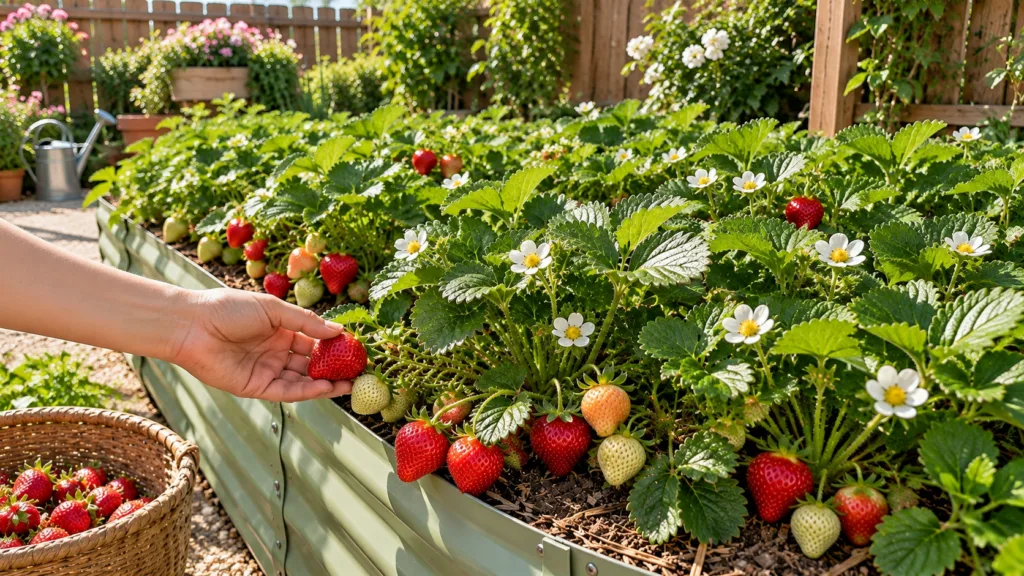
There’s nothing quite like the sweet taste of a freshly picked strawberry, warmed by the sun, bursting with flavor. It’s the quintessential taste of summer, a reward for your gardening efforts, and a joy that few store-bought berries can match. If you dream of a garden overflowing with succulent strawberries, you’re in the right place! We’re not just going to talk about growing strawberries; we’re going to share a secret weapon for an abundant harvest: homemade strawberry plant food.
Why Grow Your Own Strawberries?
Beyond the undeniable deliciousness, growing your own strawberries offers numerous benefits:
- Superior Taste: Homegrown berries ripen on the plant, developing a depth of flavor and sweetness rarely found in commercially picked fruit.
- Organic Control: You decide what goes into your soil and onto your plants, ensuring your strawberries are free from unwanted pesticides and chemicals.
- Cost-Effective: Once established, strawberry plants can produce for several years, providing a continuous supply of fruit at a fraction of the grocery store price.
- Gardening Joy: Watching tiny flowers transform into vibrant red berries is incredibly rewarding and a wonderful way to connect with nature.
Essential Care for Happy Strawberry Plants
Before we dive into our special plant food, let’s cover the basics. Healthy plants are the foundation for abundant berries.
Sunlight is Key
Strawberries need at least 6-8 hours of direct sunlight per day to thrive and produce sweet fruit. Choose a sunny spot in your garden or a south-facing balcony for container planting.
Well-Draining Soil
They prefer slightly acidic soil (pH 5.5-6.5) that is rich in organic matter and drains well. Avoid heavy, waterlogged soil, which can lead to root rot. Amending your soil with compost before planting is always a good idea.
Consistent Watering
Keep the soil consistently moist, especially when flowers are forming and fruits are developing. Strawberries have shallow roots, so they can dry out quickly. However, avoid overwatering, which can lead to fungal diseases.
The Secret to Abundant Berries: Homemade Strawberry Plant Food
Strawberries are hungry plants, especially when they’re busy producing fruit. To get those large, juicy, abundant berries, they need a regular boost of nutrients. While commercial fertilizers are an option, making your own homemade plant food is an excellent organic and cost-effective alternative.
Why Homemade Plant Food?
- Customized Nutrients: You can tailor the nutrients to what strawberries specifically need.
- Organic & Safe: Avoid synthetic chemicals, keeping your berries truly organic and safe for consumption.
- Eco-Friendly: Often uses kitchen scraps or readily available natural ingredients.
DIY Strawberry Plant Food Recipe
This recipe focuses on providing a good balance of nitrogen for leafy growth, phosphorus for root development and flowering, and potassium for fruit production and overall plant health. We’ll use natural ingredients that slowly release nutrients into the soil.
Ingredients:
- 1 part bone meal (rich in phosphorus)
- 1 part aged compost or worm castings (provides a balanced mix of nutrients and improves soil structure)
- 1/2 part wood ash (good source of potassium and trace minerals, use sparingly)
- 1/2 part Epsom salts (magnesium for healthy foliage and fruit development)
Instructions:
- Gather Your Ingredients: Ensure your compost is well-aged and your wood ash is from untreated wood.
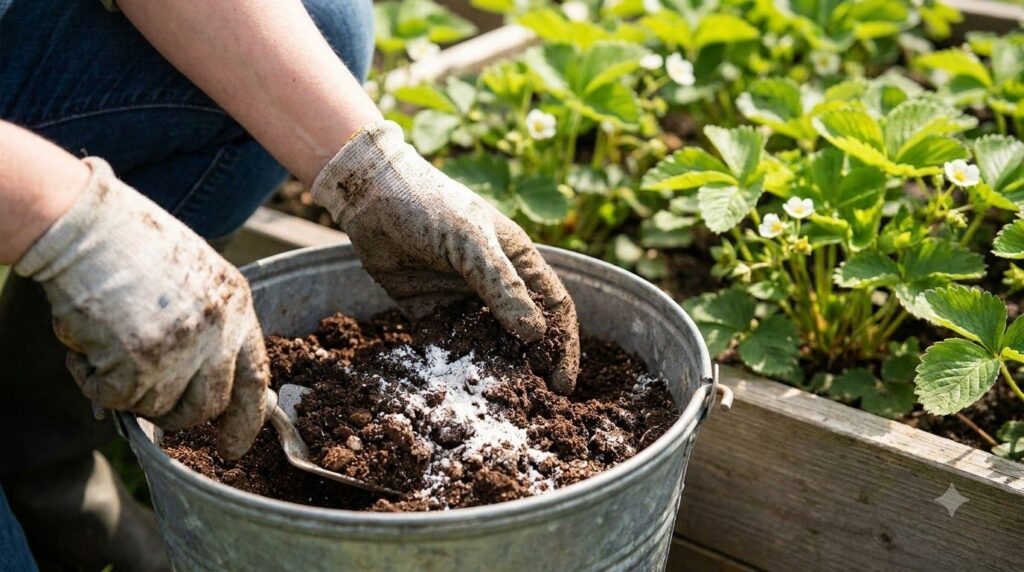
- Mix Thoroughly: In a bucket, combine the bone meal, aged compost/worm castings, wood ash, and Epsom salts. Mix everything until uniformly distributed.
- Store (Optional): If you have extra, store it in an airtight container in a cool, dry place. Label it clearly.
How to Apply Your Homemade Strawberry Plant Food
For best results, apply this plant food carefully and at the right times:
- Before Planting: Mix about 1/2 cup per square foot into the soil before planting new strawberry plants.
- Early Spring: As new growth emerges in spring, sprinkle about 1/4 cup around the base of each established plant. Gently work it into the top inch of soil and water thoroughly.
- After First Harvest: Once your first flush of berries is done (usually mid-summer), apply another 1/4 cup per plant. This helps the plant recover and prepares it for the next fruiting cycle (for everbearing or day-neutral varieties) or next year’s harvest (for June-bearing varieties).
Important Note: Wood ash can increase soil pH, so use it sparingly, especially if your soil is already alkaline. A soil test can help you understand your specific needs.
Other Tips for a Bountiful Strawberry Harvest
- Mulch: Apply a layer of straw around your plants. This helps retain moisture, suppresses weeds, and keeps berries clean off the soil, preventing rot.
- Pollination: Ensure there are plenty of pollinators like bees in your garden. Planting pollinator-friendly flowers nearby can help.
- Pest Control: Keep an eye out for common pests like slugs and birds. Netting can protect your ripening berries from birds, and natural slug traps can help with slugs.
- Remove Runners: For most varieties, removing runners (the horizontal stems that produce new plants) can direct the plant’s energy into fruit production instead of new plant growth, especially in the first year.
Enjoying Your Freshly Picked Strawberries
Once your harvest comes in, the possibilities are endless! Enjoy them fresh, in smoothies, on cereal, baked into pies, made into jam, or as a simple, healthy snack. The flavor of homegrown strawberries is unparalleled.
Start Your Strawberry Journey Today!
Growing abundant, delicious strawberries doesn’t have to be complicated. With a little care, the right conditions, and a boost from your homemade plant food, you’ll be enjoying the sweet taste of summer straight from your garden. Happy gardening, and get ready for some fresh-picked joy!