Have you ever wondered if there’s a simple trick to make your favorite nuts even healthier and easier to digest? The answer might surprise you! Soaking nuts, an age-old practice, is a simple yet powerful way to unlock their full nutritional potential and enhance their flavor and texture.
In this article, we’ll dive into the world of soaked nuts, exploring why this practice is so beneficial for your digestion and nutrient absorption. You’ll learn the best soaking times for various nuts and dried fruits, discover their unique health advantages, and get practical tips to incorporate them into your daily routine. Get ready to transform your healthy snacking!

Why Soaking Nuts Matters for Your Health
Soaking nuts isn’t just about softening them; it’s about making them more beneficial for your body. Here are the key advantages:
Improved Digestion
Nuts naturally contain enzyme inhibitors. These compounds can make nuts harder to digest and may even cause discomfort for some people. Soaking helps deactivate these inhibitors, making nuts gentler on your stomach.
Enhanced Nutrient Absorption
Many nuts also contain phytic acid (phytate), an anti-nutrient that can bind to essential minerals like zinc, iron, calcium, and magnesium, preventing your body from absorbing them. Soaking helps reduce phytic acid levels, allowing you to absorb more of these vital nutrients.
Better Texture and Flavor
Beyond the health benefits, soaking can dramatically improve the texture and taste of nuts. They become softer, creamier, and often have a milder, less bitter flavor. This makes them perfect for blending into smoothies, making nut milks, or simply enjoying as a snack.
Reduced Tannins
Some nuts, like walnuts, contain tannins, which can contribute to a slightly bitter taste. Soaking can help leach out some of these compounds, resulting in a sweeter, more pleasant flavor.
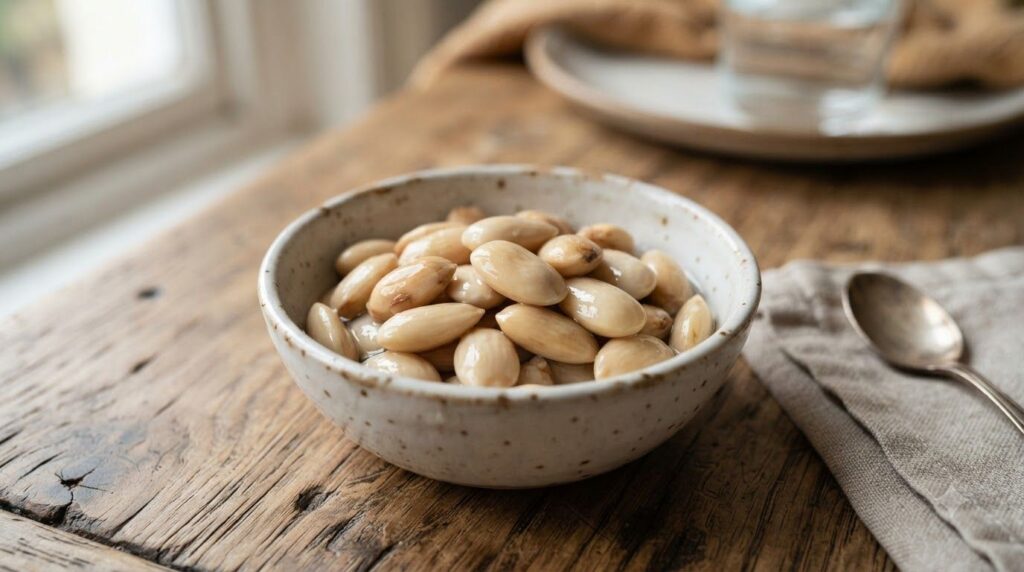
Your Guide to Soaking Nuts and Dried Fruits
The ideal soaking time varies depending on the type of nut or dried fruit. Here’s a handy guide to help you get started:
| Nut/Dried Fruit | Recommended Soaking Time | Main Benefits |
|---|---|---|
| Almonds | 8 hours | Aids digestion, boosts Vitamin E |
| Walnuts | 8 hours | Improves nutrient absorption |
| Cashews | 2-4 hours | Enhances creaminess, easier to digest |
| Pistachios | 6 hours | Supports gut health |
| Anjeer (Dried Figs) | 8 hours | Aids bowel regularity |
| Hazelnuts | 8 hours | Boosts antioxidants |
How to Soak Nuts: A Simple Process
- Rinse: Start by thoroughly rinsing your chosen nuts or dried fruit under cold running water.
- Soak: Place them in a bowl and cover them with filtered water. Ensure there’s enough water to completely submerge the nuts, as they will expand slightly.
- Wait: Let them soak for the recommended time, usually at room temperature. For longer soaking times, especially in warm climates, you might want to refrigerate them.
- Drain & Rinse: Once soaked, drain the water (which will contain the leached enzyme inhibitors and phytic acid) and rinse the nuts again.
- Use or Store: Your soaked nuts are now ready to enjoy!
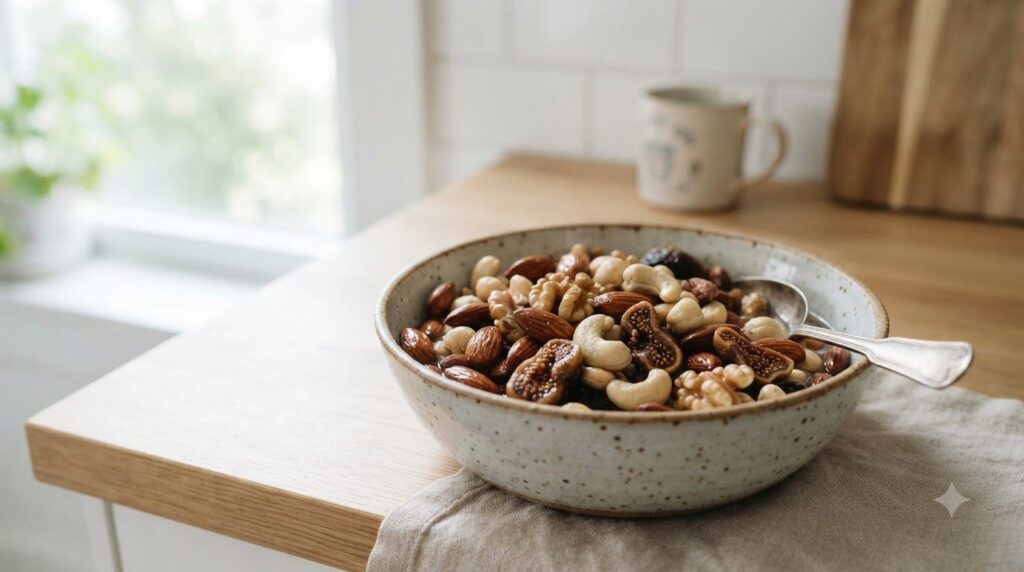
Practical Tips for Enjoying Soaked Nuts
- Experiment: Don’t be afraid to try soaking different types of nuts and seeds (like pumpkin or sunflower seeds) to see which ones you enjoy most.
- Storage: Soaked nuts are perishable. Store them in an airtight container in the refrigerator for up to 2-3 days. You can also dehydrate them in a low-temperature oven or a dehydrator to make them crispy again and extend their shelf life.
- Versatile Use: Add soaked nuts to your morning oatmeal, yogurt, smoothies, salads, or simply enjoy them as a satisfying snack. They are also fantastic for making homemade nut milks and creamy sauces.
- Batch Prep: Soak a larger batch of your favorite nuts once or twice a week to have them ready for quick snacks and meal additions.
FAQs About Soaking Nuts
Q: Do I really need to soak all nuts?
A: While all nuts can benefit from soaking, some like almonds and walnuts show more significant improvements in digestibility and nutrient availability due to higher levels of phytic acid and enzyme inhibitors. Cashews have lower levels, so a shorter soak is often sufficient.
Q: What’s the best water to use for soaking?
A: Filtered water is recommended to avoid introducing impurities to your nuts.
Q: Can I reuse the soaking water?
A: No, the soaking water contains the leached phytic acid and enzyme inhibitors, so it should be discarded.
Q: How long can I store soaked nuts?
A: Soaked nuts should be stored in an airtight container in the refrigerator and consumed within 2-3 days to prevent spoilage.
Q: Does soaking reduce the nutritional value of nuts?
A: No, quite the opposite! While some water-soluble vitamins might leach slightly, the overall benefit of reduced anti-nutrients leads to greater bioavailability of minerals, enhancing their nutritional value.
Q: Can I dehydrate soaked nuts?
A: Yes! After soaking and rinsing, you can dehydrate them in a dehydrator or a low-temperature oven (around 150-170°F or 65-75°C) until crispy. This restores their crunch and extends their shelf life.
Q: Does soaking make nuts taste better?
A: Many people find that soaking improves the flavor, making nuts less bitter and giving them a creamier, milder taste.
Conclusion
Soaking nuts is a simple, effective, and delicious way to elevate your healthy eating habits. By taking a few extra steps, you can significantly improve the digestibility and nutritional benefits of these wholesome foods. Whether you’re aiming for better digestion, enhanced nutrient absorption, or simply a softer, creamier texture, soaking is a practice worth adopting.
Give it a try with your favorite nuts and experience the difference for yourself. Happy soaking!
This content is for educational purposes only and should not be considered medical advice. Consult a qualified healthcare professional for personalized dietary recommendations.