Did you know that what you eat can significantly impact how your joints feel? From soothing everyday aches to tackling stubborn stiffness and inflammation, the right foods can be powerful allies in maintaining joint health and keeping you moving comfortably. It’s time to nourish your body and support your active days with smart, delicious choices.
Our joints are incredible structures that allow us to bend, walk, run, and perform countless daily activities. Over time, factors like aging, activity levels, and inflammation can take a toll, leading to discomfort. While diet isn’t a magic cure-all, it plays a crucial role in providing the essential building blocks and anti-inflammatory compounds your joints need to thrive.

Understanding Joint Discomfort: How Food Can Help
Joint discomfort often stems from inflammation, cartilage degradation, or a lack of proper lubrication. Fortunately, many foods contain compounds that can address these issues naturally. By choosing nutrient-dense options, you can help reduce inflammatory responses, support cartilage repair, and provide antioxidants to protect joint tissues.
Foods for Stiffness and Flexibility
Stiffness can limit your range of motion and make daily tasks challenging. Certain foods can help improve joint lubrication and the elasticity of connective tissues.
- Berries: Rich in antioxidants like anthocyanins, berries (blueberries, strawberries, raspberries) combat oxidative stress that can contribute to stiffness.
- Leafy Greens: Spinach, kale, and other greens are packed with vitamins K and C, which are vital for bone health and collagen production, supporting flexible joints.
- Bone Broth: Contains collagen, gelatin, and amino acids that are the building blocks for cartilage and connective tissue, potentially improving joint flexibility.
Foods for Aches and Pain Relief
Persistent aches can significantly impact your quality of life. Incorporating foods with natural pain-relieving properties can make a difference.
- Turmeric: This vibrant spice contains curcumin, a powerful anti-inflammatory compound that has been studied for its potential to reduce joint pain.
- Ginger: Known for its potent anti-inflammatory effects, ginger can help soothe aching joints. It can be consumed fresh, in tea, or as a spice.
- Omega-3 Rich Foods: Found in fatty fish like salmon, mackerel, and sardines, omega-3 fatty acids are renowned for their ability to reduce inflammation and associated pain.
Foods for Reducing Inflammation
Inflammation is a common culprit behind many joint issues. A diet rich in anti-inflammatory foods can help manage and reduce this response.
- Fatty Fish: As mentioned, fish like salmon, tuna, and trout are excellent sources of omega-3s, which are critical for reducing systemic inflammation.
- Nuts and Seeds: Almonds, walnuts, chia seeds, and flaxseeds provide healthy fats, fiber, and antioxidants, all contributing to an anti-inflammatory diet.
- Olive Oil: Extra virgin olive oil, a staple of the Mediterranean diet, contains oleocanthal, a compound with anti-inflammatory properties similar to ibuprofen.
- Avocados: Rich in monounsaturated fats and antioxidants, avocados can help reduce inflammation and provide healthy fats beneficial for joint health.
Key Nutrients for Optimal Joint Health
Beyond specific foods, understanding the key nutrients that support your joints can empower you to make informed choices.
- Omega-3 Fatty Acids: Essential for reducing inflammation throughout the body, including the joints.
- Antioxidants (Vitamins C & E): Protect joint tissues from damage caused by free radicals. Vitamin C is also crucial for collagen synthesis.
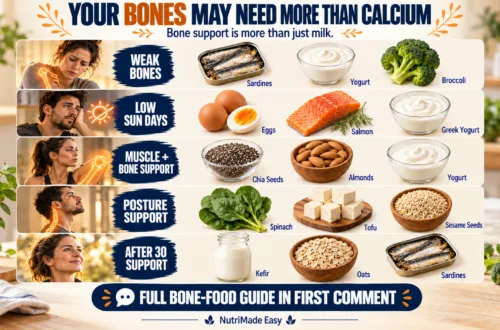
- Calcium and Vitamin D: While primarily known for bone health, strong bones provide a stable framework for healthy joints.
- Collagen-Boosting Nutrients: Vitamin C, zinc, and copper are essential for the body’s natural production of collagen, a main component of cartilage.
Practical Tips for Incorporating Joint-Friendly Foods
Making dietary changes doesn’t have to be overwhelming. Start small and build healthy habits over time.
- Diversify Your Plate: Aim for a variety of colorful fruits and vegetables daily to ensure a broad spectrum of antioxidants and vitamins.
- Regularly Include Fatty Fish: Try to eat fatty fish at least two to three times a week.
- Spice It Up: Incorporate turmeric and ginger into your cooking, smoothies, or teas.
- Healthy Fats: Use extra virgin olive oil for cooking and dressings, and snack on nuts and seeds.
- Stay Hydrated: Water is crucial for maintaining the lubrication in your joints.
Nourishing your joints through diet is a proactive step towards a more comfortable and active life. By embracing this ultimate food guide, you’re not just eating well; you’re investing in your long-term mobility and overall well-being. Which food from this guide are you excited to try first?