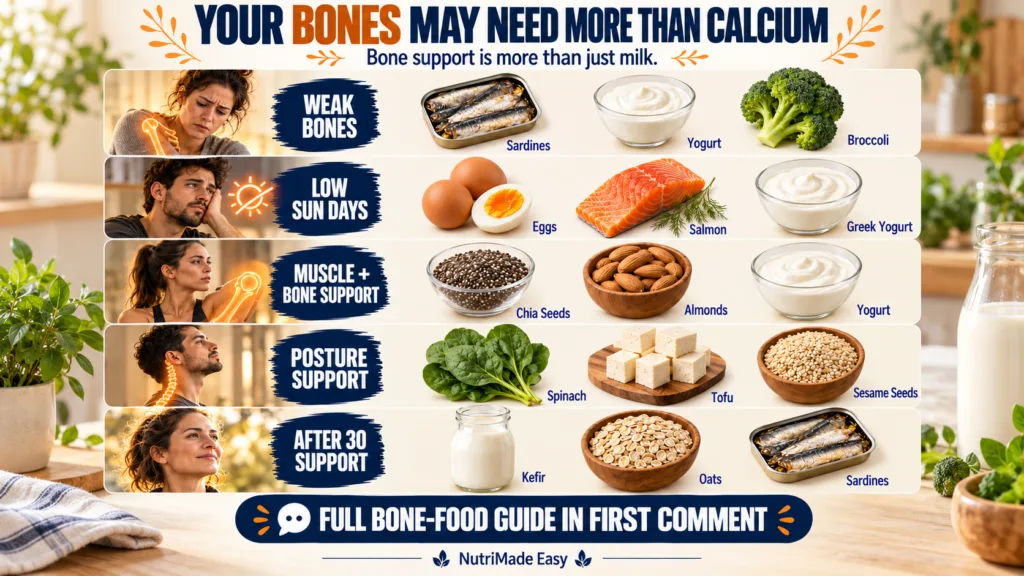
Think bone health is just about calcium? While calcium is undeniably vital, your skeletal system actually thrives on a rich symphony of nutrients working together. To truly strengthen your bones and boost your overall well-being, it’s essential to nourish your body with a diverse range of delicious foods.
Our bones are living, dynamic tissues that are constantly remodeling. They require a steady supply of vitamins, minerals, and proteins to maintain their density, strength, and integrity throughout our lives. Focusing on a single nutrient can lead to missing out on the comprehensive support your bones truly need.
Calcium: The Foundation, But Not the Whole Story
Calcium is the most abundant mineral in the body, with approximately 99% stored in our bones and teeth. It provides the hard structure of bones and is crucial for proper nerve, muscle, and heart function. When we don’t consume enough calcium, our body will take it from our bones, which can lead to weakened bone density over time.
Excellent sources of calcium include dairy products like milk, yogurt, and cheese, as well as fortified plant-based milks, tofu, sardines, and dark leafy greens such as kale and collard greens.
Vitamin D: The Sunshine Catalyst
Calcium cannot do its job effectively without its crucial partner: Vitamin D. This fat-soluble vitamin plays a pivotal role in helping your body absorb calcium from the gut and deposit it into your bones. Without sufficient Vitamin D, even a high calcium intake may not be enough to maintain strong bones.
Our bodies can produce Vitamin D when our skin is exposed to sunlight. However, factors like geography, season, skin tone, and sunscreen use can limit this production. Dietary sources include fatty fish (salmon, mackerel, tuna), egg yolks, and fortified foods like milk, cereals, and some orange juices.
Magnesium: The Silent Bone Builder
Often overlooked, magnesium is another mineral essential for bone health. About 50-60% of the body’s magnesium is found in the bones. It contributes to bone structure and plays a key role in activating Vitamin D and regulating calcium levels. Magnesium deficiency can negatively impact bone metabolism and bone density.
You can find magnesium in a variety of foods, including nuts (almonds, cashews), seeds (pumpkin, chia), legumes, whole grains, dark chocolate, and leafy green vegetables.
Vitamin K: Guiding Minerals to the Right Place
Vitamin K, particularly Vitamin K2, is vital for bone mineralization. It helps produce osteocalcin, a protein that binds calcium to the bone matrix, ensuring calcium is deposited where it’s needed – in your bones – rather than accumulating in soft tissues like arteries, where it could cause problems.
Vitamin K1 is abundant in green leafy vegetables like spinach, kale, and broccoli. Vitamin K2 is found in fermented foods like natto, certain cheeses, and egg yolks.
Protein: The Bone Matrix Scaffold
While often associated with muscles, protein is a fundamental component of bone health. Bones are made up of a protein matrix, primarily collagen, onto which minerals are deposited. Adequate protein intake is necessary for bone formation and repair, and it can help maintain bone density as we age.
Good sources of protein include lean meats, poultry, fish, eggs, dairy products, legumes, nuts, and seeds.
Beyond the Big Five: Other Essential Bone Nutrients
Several other micronutrients contribute to robust bone health:
- Phosphorus: Another major component of bones and teeth, working in conjunction with calcium.
- Zinc: Involved in bone formation and mineralization.
- Boron: May help reduce calcium and magnesium loss and enhance Vitamin D’s effectiveness.
- Vitamin C: Essential for collagen production, the structural framework of bones.
Building Your Bone-Boosting Plate: Diverse Food Sources
To support your bones comprehensively, aim for a diet rich in variety. Think about combining different food groups to get the full spectrum of nutrients.
- Dairy and Fortified Alternatives: Milk, yogurt, cheese, fortified plant milks for calcium and Vitamin D.
- Leafy Greens and Vegetables: Kale, spinach, broccoli for calcium, Vitamin K, and magnesium.
- Nuts, Seeds, and Legumes: Almonds, chia seeds, lentils, and beans provide magnesium, protein, and other minerals.
- Fatty Fish: Salmon, tuna, and mackerel are excellent for Vitamin D and healthy fats.
- Whole Grains: Oats, brown rice, and quinoa offer magnesium and phosphorus.
- Fruits: Berries, oranges, and kiwi provide Vitamin C.

Holistic Bone Health: Lifestyle Factors
While nutrition is paramount, other lifestyle factors also play a critical role in maintaining strong bones:
- Regular Weight-Bearing Exercise: Activities like walking, jogging, dancing, and weightlifting help stimulate bone formation and increase bone density.
- Avoid Smoking and Excessive Alcohol: Both can negatively impact bone health.
- Maintain a Healthy Weight: Being underweight can be detrimental to bone density.
- Manage Stress: Chronic stress can affect hormone balance, which in turn can impact bone health.
Conclusion
Strong bones are truly a testament to a well-nourished body. By moving beyond a singular focus on calcium and embracing a diverse diet rich in Vitamin D, magnesium, Vitamin K, protein, and many other essential nutrients, you can build and maintain a strong skeletal system for life. What are your favorite bone-boosting foods to include in your weekly meals? Share your ideas below!