Greetings, film fanatics and classic cinema connoisseurs! Today, we’ve got a dazzling challenge for your movie knowledge. Take a close look at this charming smile and that iconic mustache. This face belongs to an undisputed legend, a pioneer of the silver screen who brought laughter and tears to millions without uttering a single word. Can you identify this Hollywood icon?
Put your film trivia to the ultimate test and choose from the options below. No peeking!
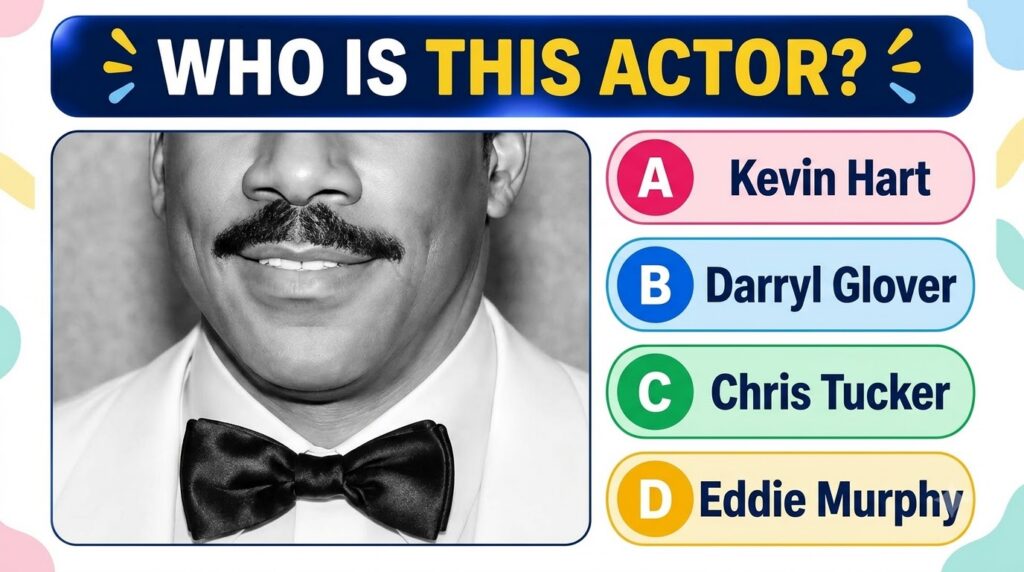
Who Is This Actor?
- A. Buster Keaton
- B. Charlie Chaplin
- C. Laurel Hardy
- D. Harold Lloyd
The Correct Answer: B. Charlie Chaplin
Did you feel a flicker of recognition? The man behind that captivating grin and unforgettable mustache is none other than **B. Charlie Chaplin**! A true titan of silent cinema, Chaplin’s influence extends far beyond his era, shaping the art of filmmaking and comedic performance for generations.
The Rise of a Global Icon
Born into poverty in London in 1889, Charles Spencer Chaplin’s early life was marked by hardship, but it was also steeped in the world of music halls and vaudeville. His natural talent for mime and physical comedy quickly set him apart. By the early 1910s, he had moved to America and joined Keystone Studios, where he began to develop the character that would make him a global phenomenon: The Little Tramp.
The Little Tramp: An Enduring Legacy
The Little Tramp, with his baggy trousers, tight coat, oversized shoes, tiny mustache, and cane, was an instant hit. This character, embodying both pathos and resilience, was a masterclass in silent storytelling. Chaplin’s ability to convey complex emotions and societal commentary through movement and expression made the Tramp universally relatable, transcending language barriers and making him the first truly international film star.
Timeless Masterpieces
Chaplin wrote, directed, produced, edited, and often scored his own films, making him one of the first true auteurs. His filmography is packed with classics that are still revered today. Iconic works like The Kid (1921), City Lights (1931), and Modern Times (1936) showcased his unparalleled blend of slapstick comedy, social satire, and poignant human drama. Even as sound took over Hollywood, Chaplin largely resisted, believing the Tramp’s magic lay in silence, only fully embracing dialogue in his later films like The Great Dictator (1940), a powerful satire against fascism.
Beyond the Screen: A Filmmaking Pioneer
Chaplin wasn’t just an actor; he was a filmmaking visionary. He co-founded United Artists in 1919, giving him unprecedented creative control over his work. His meticulous approach to filmmaking, his innovative use of visual comedy, and his ability to weave profound social messages into seemingly simple stories cemented his place not just as a comedian, but as one of cinema’s most important artists. His work continues to influence filmmakers and performers worldwide.
Did You Get It Right?
Whether you instantly recognized the master of silent film or learned something new today, it’s always fun to test your knowledge of Hollywood’s golden age. Charlie Chaplin remains an indelible part of our cultural tapestry, a testament to the power of laughter, resilience, and the universal language of film.
🎬 Final Answer: B. Charlie Chaplin