Do you ever wonder if your healthy food choices are truly serving your body to their fullest potential? It turns out that when it comes to fiber, not all carbs and fruits are created equal. The fiber content in your go-to carbs and fruits might surprise you, and understanding these hidden differences can be a game-changer for your gut health and overall well-being.
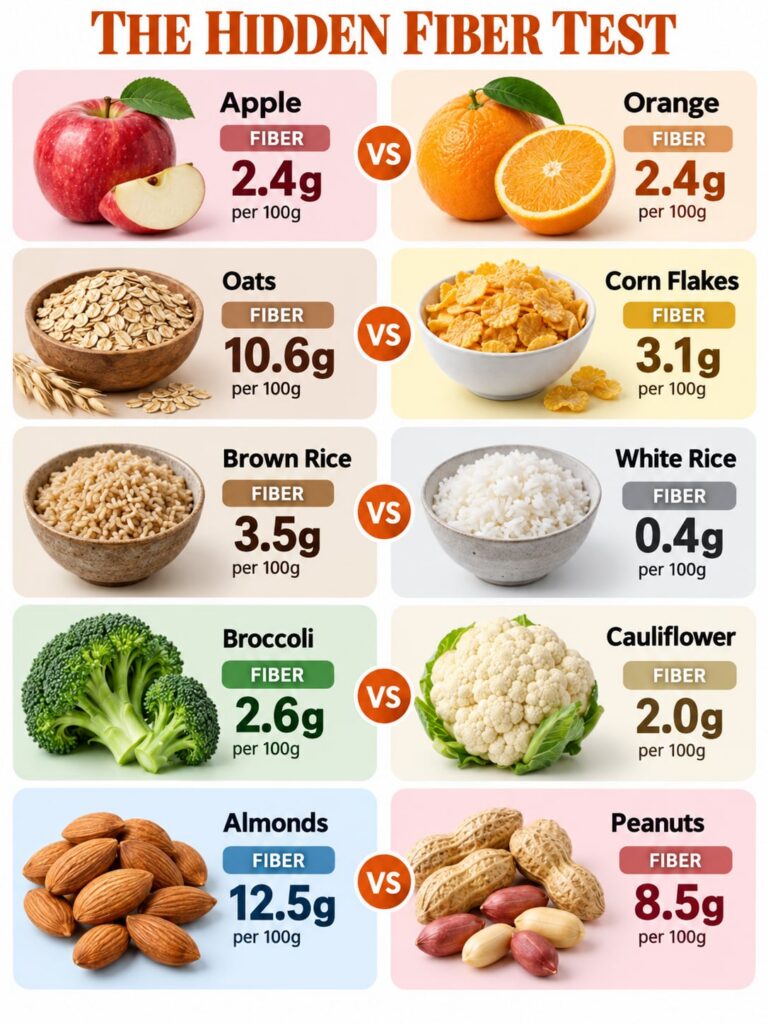
We often make choices based on convenience or general perception, but a closer look reveals that simple swaps can significantly boost your daily fiber intake. This article will put everyday foods to the ultimate ‘hidden fiber test,’ unveiling surprising truths between common choices like oats versus corn flakes, and brown rice versus white rice. Get ready to discover how small, informed decisions can lead to a big impact on your nutrition!
The Breakfast Showdown: Oats vs. Corn Flakes
Your morning meal sets the tone for your entire day, and the choice between a bowl of oats and a serving of corn flakes can have a profound impact on your fiber intake. While both are popular breakfast cereals, their nutritional profiles, particularly regarding fiber, tell very different stories.
Why Fiber Matters for Your Morning
Fiber is crucial for digestive health, helping to regulate bowel movements, prevent constipation, and support a healthy gut microbiome. A fiber-rich breakfast can also contribute to satiety, keeping you feeling fuller for longer and potentially aiding in weight management by reducing the likelihood of mid-morning snacking.
The Verdict: A Clear Winner for Fiber
- Oats (especially rolled or steel-cut) are a powerhouse of soluble fiber, particularly beta-glucan. This type of fiber is known for its ability to help lower cholesterol levels, stabilize blood sugar, and feed beneficial gut bacteria. A standard serving of rolled oats can provide significantly more fiber than most processed cereals.
- Corn Flakes, on the other hand, are typically made from refined corn and often contain added sugars and very little fiber. While they can be a quick breakfast option, they offer minimal dietary fiber, leading to quicker digestion and potentially less sustained energy.
Simple Swap: Opt for a bowl of overnight oats or warm oatmeal instead of corn flakes. Add berries, chia seeds, or nuts for an extra fiber boost. Look for options with minimal added sugar when choosing instant oats.
Unpacking Your Plate: Brown Rice vs. White Rice
Rice is a staple food for billions worldwide, but the choice between brown and white rice presents another key moment for fiber intake. This seemingly small decision can significantly influence the nutritional value of your meals.
Whole Grain vs. Refined Grain
The core difference lies in how they are processed:
- Brown Rice is a whole grain, meaning it retains its bran, germ, and endosperm. The bran and germ are where most of the fiber, vitamins, and minerals (like magnesium, selenium, and B vitamins) are concentrated.
- White Rice has had its bran and germ removed during processing, leaving only the starchy endosperm. This process extends shelf life but strips away much of its inherent fiber and nutrient content.
Fiber Impact and Health Benefits
Choosing brown rice can significantly increase your meal’s fiber content, contributing to better digestion, more stable blood sugar levels, and a feeling of fullness. The fiber in brown rice also helps to slow down the absorption of carbohydrates, preventing rapid spikes in blood glucose that can occur with white rice.
Simple Swap: Incorporate brown rice into your weekly meal prep instead of white rice for dinners and lunches. If you’re new to brown rice, try mixing it with white rice initially to gradually adjust to its chewier texture and nutty flavor.
The Fruit Factor: Fiber Beyond the Obvious
Fruits are universally recognized for their vitamins, antioxidants, and natural sweetness, but their fiber content can vary widely. Just like with carbs, not all fruits offer the same fiber punch.
Maximizing Fiber from Fruits
- Eat the Skin: Many fruits, like apples, pears, and plums, have a significant amount of their fiber in their skin. Washing them thoroughly and eating them whole is a great way to boost intake.
- Choose Berry Goodness: Berries (raspberries, blackberries, blueberries) are renowned for being high in fiber, often packing several grams per serving. They are also rich in antioxidants.
- Opt for Whole Fruits Over Juice: Fruit juice, even 100% juice, typically lacks the beneficial fiber found in the whole fruit. Blending whole fruits into smoothies can retain more fiber than juicing.
- Tropical Choices: Avocados, kiwis, and passion fruit are also excellent sources of fiber, adding a tropical twist to your fiber-rich diet.
Understanding these variations can help you make more informed choices, ensuring you get the most out of your fruit servings.
Simple Swaps for a Fiber-Rich Diet
Boosting your daily fiber intake doesn’t have to be complicated. Small, consistent changes in your food choices can make a significant difference. Here are some actionable strategies for healthier eating:
- Start Your Day Right: Replace low-fiber cereals with high-protein breakfast ideas like oatmeal, chia seed pudding, or whole-grain toast with avocado.
- Whole Grains Everywhere: Choose whole-wheat bread, pasta, and wraps instead of their refined counterparts. Look for ‘whole grain’ as the first ingredient on labels.
- Legumes for the Win: Incorporate beans, lentils, and chickpeas into your diet. They are incredibly versatile and can be added to soups, salads, stews, or made into dips.
- Snack Smart: Opt for fiber-rich snacks like a handful of almonds, a piece of fruit with its skin, or vegetable sticks with hummus.
- Add Seeds and Nuts: Sprinkle chia seeds, flax seeds, or hemp hearts into smoothies, yogurt, or salads for an easy fiber boost.
By making these intentional dietary choices, you can improve your digestive health, support stable energy levels, and enhance your overall well-being.
What About Calorie Deficit Meal Plans?
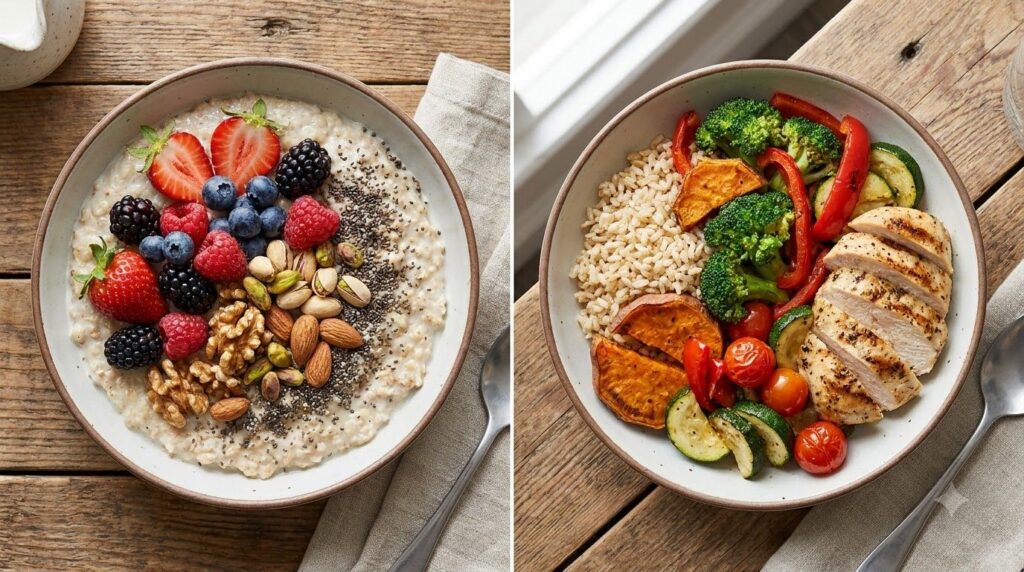
If you’re following a calorie deficit meal plan, prioritizing high-fiber foods is even more crucial. Fiber-rich foods tend to be more filling and satisfying, helping you manage hunger and cravings while consuming fewer calories. They are excellent choices for healthy meal prep ideas that support weight loss goals.
Final Thoughts
The hidden fiber test reveals that making conscious choices about your everyday carbs and fruits can profoundly impact your health. By understanding where fiber truly lies and opting for whole, unprocessed options like oats, brown rice, and whole fruits, you empower your body with the tools it needs for optimal digestion, sustained energy, and improved gut health. Start today by making small, smart swaps, and feel the difference!