Discover The Tropical Fruit Supporting Healthy Blood Sugar & Hair Growth!
What if there was a delightful, often overlooked tropical fruit that could play a surprising role in two key areas of your well-being: maintaining balanced blood sugar and encouraging vibrant, healthy hair? It sounds almost too good to be true, doesn’t it? Yet, nature often holds these incredible secrets in plain sight, waiting for us to rediscover them.
Join us as we peel back the layers on this remarkable fruit, exploring how its unique nutritional profile might just be the natural boost your body has been craving for both internal balance and outward radiance.
Why This Matters
In our modern world, many of us are actively seeking natural and holistic ways to support our health. The quest for stable blood sugar levels is a common concern, especially as we age, with a growing desire to prevent imbalances through diet and lifestyle rather than solely relying on interventions. Simultaneously, maintaining healthy, lustrous hair is a timeless aspiration, often reflecting overall vitality and self-care.
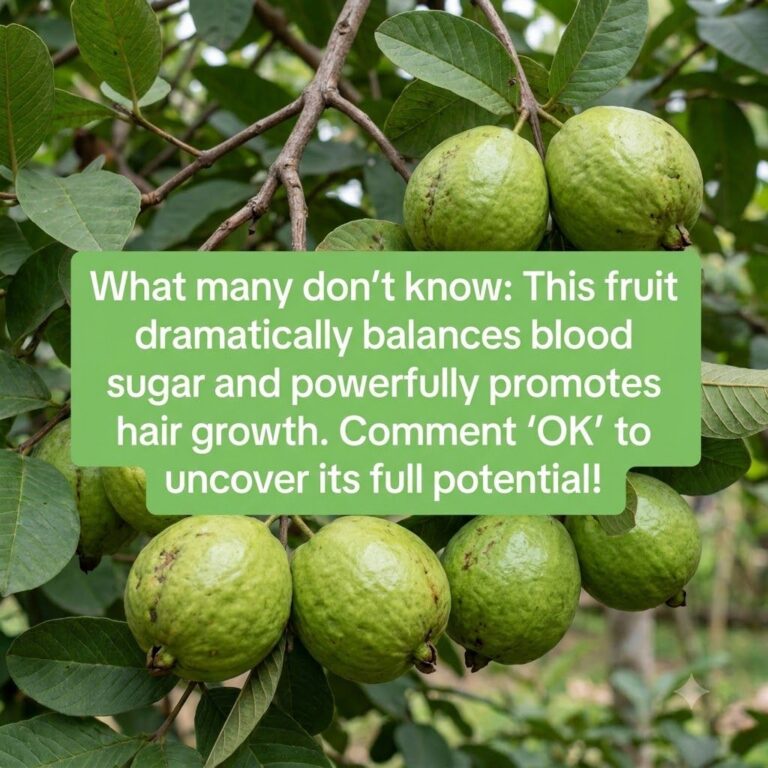
This is where our featured fruit, the guava, steps into the spotlight. Despite its delicious taste and widespread availability in many parts of the world, its profound wellness potential often goes unnoticed. Many turn to expensive supplements or complicated routines, unaware that a simple, natural addition to their diet could offer significant support for both blood sugar management and hair vitality. It’s a wonderful example of how embracing plant-based nutrition can empower our health journey.
The Guava: A Nutritional Powerhouse
So, what is this wonder fruit? It’s the humble guava (Psidium guajava), a sweet, sometimes tangy tropical fruit known for its unique flavor and aromatic qualities. But beyond its taste, guava is packed with an impressive array of vitamins, minerals, and antioxidants that contribute to its celebrated health benefits.
Guava for Balanced Blood Sugar
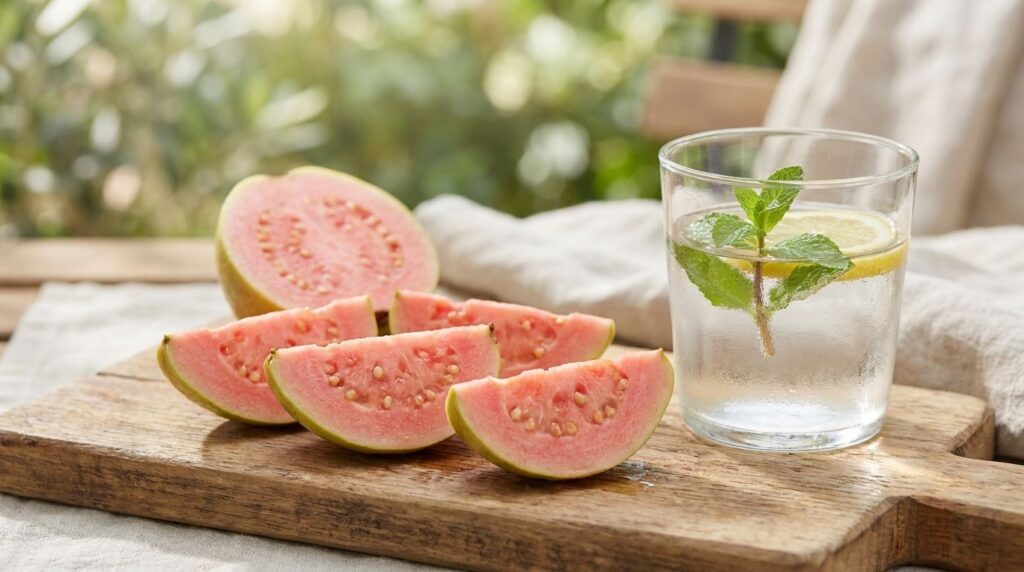
One of guava’s most remarkable attributes is its potential role in supporting healthy blood sugar levels. Here’s how it works:
- Rich in Dietary Fiber: Guava is exceptionally high in dietary fiber, particularly soluble fiber. This fiber helps to slow down the absorption of sugar into the bloodstream, preventing rapid spikes after meals. This gentle, sustained release of glucose is crucial for maintaining stable blood sugar.
- Low Glycemic Index: Due to its fiber content and natural sugar profile, guava generally has a low glycemic index, meaning it causes a slower and lower rise in blood glucose compared to high-GI foods.
- Traditional Use: In some traditional medicine systems, guava fruit and particularly guava leaves have been used to help manage blood sugar.
- Modern Understanding: Some studies suggest that the compounds found in guava, including specific types of fiber and phytochemicals, may have a beneficial effect on insulin resistance and glucose metabolism. While not a cure, it can be a supportive dietary choice.
Guava for Radiant Hair Growth
Beyond internal balance, guava also holds benefits for your locks. If you’re dreaming of stronger, healthier hair, this fruit might be a fantastic addition to your diet:
- Vitamin C Powerhouse: Guava is an outstanding source of Vitamin C, even more than many citrus fruits. Vitamin C is vital for stimulating collagen production, a protein that forms an important part of hair structure. It also aids in the absorption of iron, another crucial mineral for preventing hair loss and promoting growth.
- Antioxidant Rich: The fruit is loaded with antioxidants, which help combat oxidative stress caused by free radicals. Oxidative stress can damage hair follicles and hinder hair growth, so these protective compounds are key for maintaining scalp health.
- B Vitamins for Hair Health: Guava contains several B vitamins, including B3 (niacin) and B6 (pyridoxine), which are known to improve blood circulation to the scalp, ensuring hair follicles receive adequate nutrients for growth.
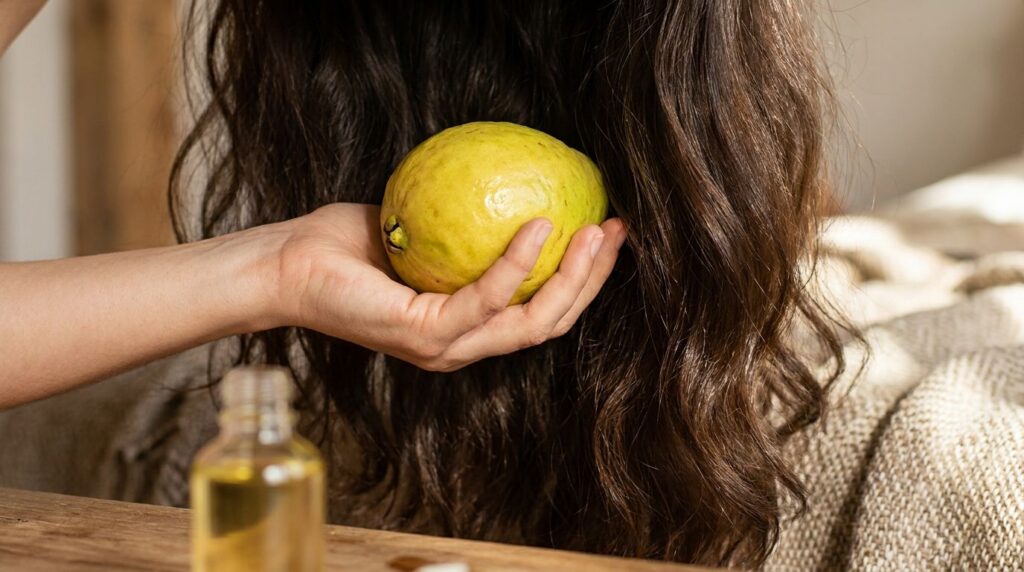
- Guava Leaves for Topical Use: Historically, guava leaves have been boiled to create a tonic or rinse for the scalp. This traditional remedy is believed to strengthen hair roots, reduce hair fall, and promote hair growth due to the compounds present in the leaves.
Practical Guide: Enjoying Guava in Your Wellness Routine
Incorporating guava into your daily life is simple and delicious! Here are some practical ideas:
- Fresh & Whole: The easiest way to enjoy guava is to eat it fresh. Wash thoroughly, slice it up (seeds and all are edible!), and enjoy as a snack.
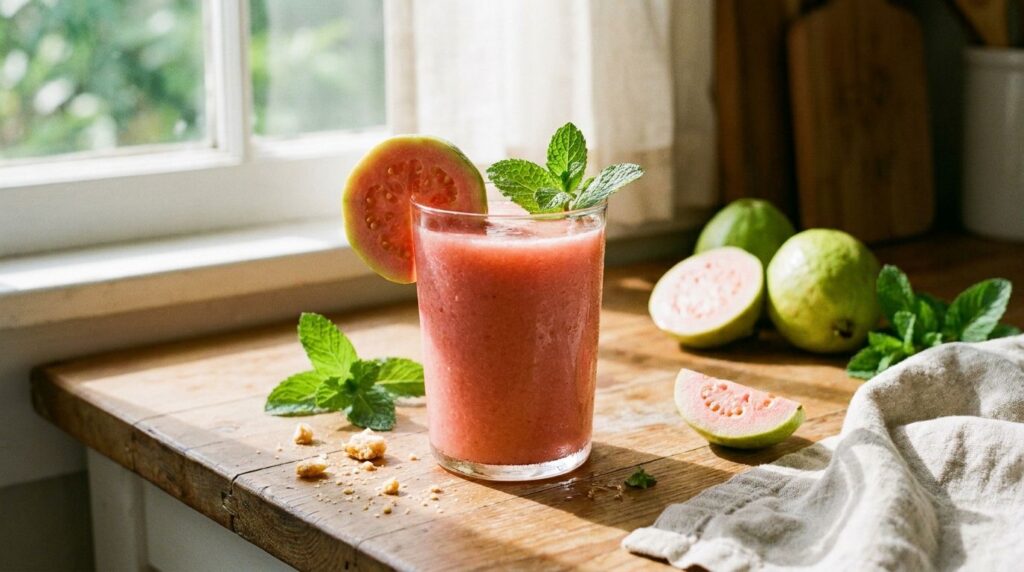
- Smoothies: Add chunks of guava to your morning smoothie for a tropical twist and a boost of nutrients. Combine with leafy greens, a protein source, and a healthy liquid for a balanced meal or snack.
- Salads: Diced guava can add a sweet and tangy element to fruit salads or even savory green salads.
- Guava Leaf Tea/Rinse: For the traditional hair benefits, you can boil 10-15 clean guava leaves in about 4 cups of water for 20 minutes. Let it cool, strain, and use it as a final rinse after shampooing and conditioning your hair. Gently massage it into your scalp and leave it on for a few hours before rinsing again, or even overnight.
- Juices (with caution): While guava juice is popular, be mindful of its concentrated sugar content. If making your own, try to include the pulp for fiber, or dilute it with water.
Beginner Tip: If you’re new to guava, start with a ripe fruit (it will be slightly soft and fragrant). Some varieties are sweeter than others, so experiment to find your favorite!
Safety & Precautions
While guava is generally safe and highly beneficial for most people, it’s always wise to be aware of potential considerations:
- Blood Sugar Medication: If you are on medication for diabetes or blood sugar control, consuming large quantities of guava might affect your blood sugar levels. Monitor closely and consult your healthcare professional to adjust your diet as needed.
- Digestive Sensitivity: The high fiber content, while beneficial, can sometimes cause mild digestive discomfort like bloating or gas if consumed in very large amounts by those not used to a high-fiber diet. Introduce it gradually.
- Allergies: Though rare, some individuals may have an allergic reaction to guava. If you experience any adverse symptoms, discontinue use.
- Pregnancy and Breastfeeding: While generally considered safe in food amounts, if you have concerns or are considering using guava leaf extracts, it’s best to consult your doctor.
Always remember, natural remedies are meant to support, not replace, professional medical advice or prescribed treatments.
Key Takeaways
- Guava is a nutrient-dense tropical fruit rich in fiber, Vitamin C, and antioxidants.
- Its high fiber content may help regulate blood sugar levels by slowing glucose absorption.
- Abundant Vitamin C is crucial for collagen production and iron absorption, both vital for healthy hair growth and strength.
- Antioxidants in guava protect hair follicles from damage.
- Both the fruit and guava leaves (topically) have traditional uses for health and beauty.
- Incorporate guava fresh, in smoothies, or as a traditional leaf rinse.
- Consult a healthcare professional, especially if managing existing medical conditions or taking medications.
FAQ
Q: Is guava good for people with diabetes?
A: Guava, particularly the fruit with its skin, is considered beneficial due to its high fiber and low glycemic index, which can help manage blood sugar levels. However, it should be consumed in moderation as part of a balanced diet, and individuals with diabetes should monitor their blood sugar and consult their doctor.
Q: Can eating guava really make my hair grow faster?
A: While guava itself doesn’t guarantee rapid hair growth, its rich content of Vitamin C and antioxidants supports the underlying conditions for healthy hair. Vitamin C aids collagen production and iron absorption, which are crucial for strong, healthy hair follicles. Consistent intake as part of a nutritious diet can contribute to overall hair vitality and potentially reduce hair loss.
Q: How should I use guava leaves for hair?
A: To use guava leaves for hair, boil 10-15 fresh, clean leaves in about 4 cups of water for 20 minutes. Let the mixture cool completely, then strain the liquid. After shampooing and conditioning, you can use this tea as a final rinse, massaging it into your scalp. Leave it on for at least a few hours or overnight for best results, then rinse with plain water if desired.
Q: Are there any side effects of eating too much guava?
A: Generally, guava is well-tolerated. However, due to its high fiber content, consuming very large amounts can sometimes lead to mild digestive issues like bloating, gas, or constipation in sensitive individuals. It’s always best to introduce new foods gradually.
Related Reading
If you enjoyed learning about the natural benefits of guava, you might also be interested in exploring these related wellness topics:
- The Power of Fiber: Why Your Digestion Needs It
- Top 5 Antioxidant-Rich Foods for Radiant Health
- Herbal Teas for Hair & Scalp Health
- Natural Ways to Support Healthy Blood Sugar Levels
- Vitamin C: More Than Just for Colds
Embrace the vibrant potential of natural foods like guava to nourish your body from the inside out and cultivate a lifestyle of lasting wellness!
