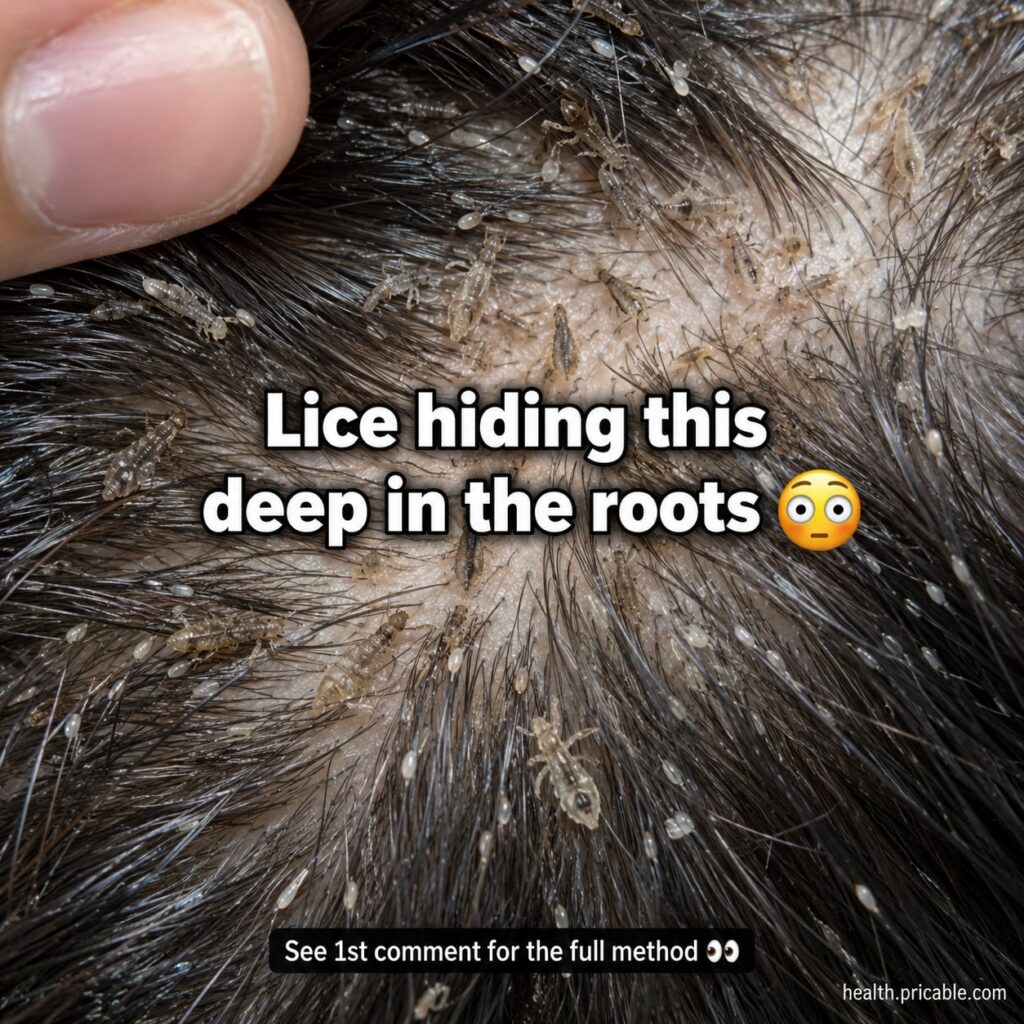
Finding head lice can be a frustrating experience, especially when they seem to hide deep within the hair roots. While professional treatments are available, a thorough combing method, combined with simple household items, can be a highly effective DIY solution to help you tackle head lice at home.
Quick Recipe
Prep time: 10 minutes
Best for: Head lice and nit removal
Use type: Topical treatment & combing method
Main ingredients:
- Specialized lice comb
- Hair conditioner or olive oil
- Hair clips or ties
Ingredients
- 1 specialized fine-toothed lice comb (metal combs are often more durable and effective)
- Plenty of regular hair conditioner (cream-based works best) OR olive oil
- Hair clips or ties to section hair
- Clean towels
- Magnifying glass (optional, but helpful for spotting small nits)
- White vinegar (for cleaning the comb)
- Sink or bathtub for rinsing
How to Make It
There’s no complex preparation needed for this method, but rather a setup for effective combing. Ensure you have good lighting and a comfortable space to work, as the process requires patience and thoroughness.
- Gather all your ingredients and tools in one place before you begin.
- Lay a towel over the shoulders of the person being treated to catch any falling lice or nits.
- If using hair conditioner, apply a generous amount to dry or damp hair. If using olive oil, coat the hair thoroughly. This helps to stun the lice and makes it easier for the comb to glide through the hair.
How to Use It
The key to successful lice removal is diligent and thorough combing. Take your time with each section.
- Detangle Hair: First, comb through the hair with a regular brush or wide-toothed comb to remove any tangles.
- Section the Hair: Divide the hair into small, manageable sections, about 1-2 inches wide, using the hair clips. Work on one section at a time.
- Apply Lubricant (if not already done): Ensure the section you are working on is well-coated with conditioner or olive oil. This helps to immobilize the lice and allows the comb to pass more smoothly.
- Comb Thoroughly: Starting at the scalp, insert the fine-toothed lice comb as close to the root as possible. Slowly draw the comb down to the end of the hair, ensuring it passes through every strand.
- Inspect and Clean the Comb: After each stroke, inspect the comb for lice and nits (small, oval-shaped eggs stuck to the hair shaft). Wipe the comb on a clean paper towel or rinse it under hot running water (or in a bowl of hot, soapy water) to remove any caught lice or nits.
- Repeat: Continue combing each small section of hair until you have combed the entire head, wiping or rinsing the comb after every single stroke.
- Re-comb: After completing the entire head, repeat the process at least one more time to catch any missed lice or nits.
- Final Rinse: Once combing is complete, thoroughly rinse the hair to remove all conditioner or olive oil.
How Often to Use It
For effective head lice elimination, this combing method should be performed consistently.
- Initial Treatment: Comb every 2-3 days for at least two weeks after the first sighting.
- Follow-Up: Continue combing once a week for another 2-3 weeks to ensure any newly hatched lice are caught before they can reproduce.
- Check Regularly: Even after the infestation seems gone, perform weekly or bi-weekly checks with the comb, especially if there’s an outbreak at school or among close contacts.
Why These Ingredients Are Used
Specialized Lice Comb
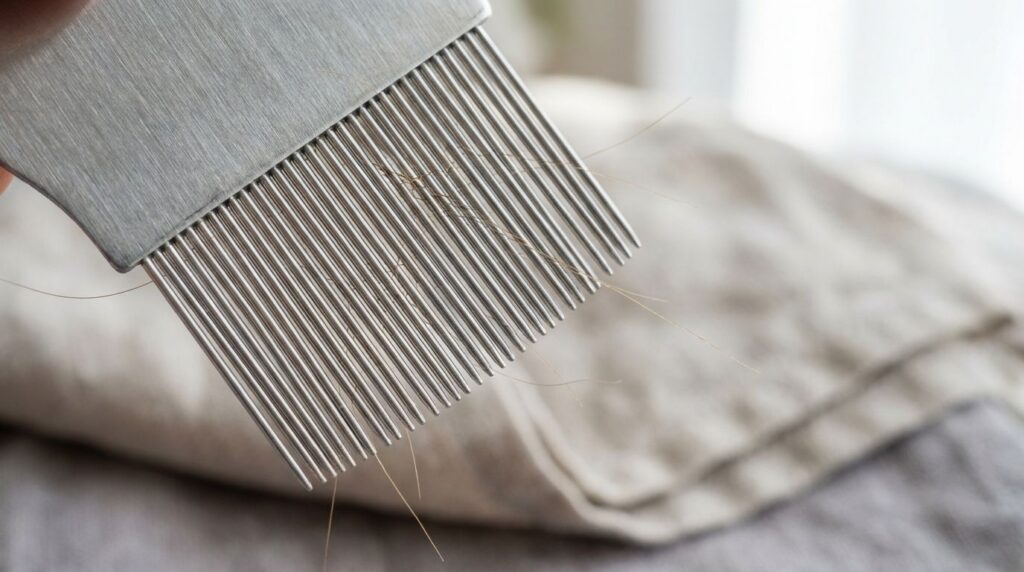
A fine-toothed lice comb is specifically designed with narrow gaps between its teeth, making it highly effective at catching and removing adult lice, nymphs (young lice), and even tiny nits that are firmly attached to the hair shaft. Metal combs are often preferred for their rigidity and durability.
Hair Conditioner or Olive Oil
These substances serve as a lubricant, making it easier for the comb to glide through the hair without tugging or causing discomfort. More importantly, they help to temporarily immobilize or stun the lice, preventing them from scurrying away and making them easier targets for the comb. This doesn’t kill them but makes them significantly less mobile.
What Results to Expect
With consistent and thorough application of this combing method, you can expect to effectively remove head lice and nits, leading to a clearer scalp and relief from itching. It may take several sessions to fully eradicate an infestation, as new nits can hatch. Patience and persistence are key to achieving a lice-free head.
Safety Notes
- Scalp Sensitivity: While generally safe, be gentle when combing to avoid irritating the scalp.
- Allergies: If using any additional topical treatments alongside combing, always perform a patch test first.
- Re-infestation: This method focuses on removal. It’s crucial to also clean bedding, clothing, hats, and hair accessories that have been in contact with the infested person to prevent re-infestation.
- Professional Advice: If the infestation persists after several weeks of diligent home treatment, or if you notice any signs of scalp infection, consult a healthcare professional.
- Avoid Harsh Chemicals: For young children or those with sensitive skin, natural methods like conditioner combing are often preferred over chemical treatments, but always ensure ingredients are safe for individual use.
FAQ
How can I tell if I have head lice?
Common signs include an itchy scalp, especially behind the ears and at the nape of the neck, and seeing small bugs (lice) or tiny white-to-yellowish eggs (nits) firmly attached to the hair shafts close to the scalp. Nits often resemble dandruff but cannot be easily brushed or shaken off.
Can head lice spread to pets?
No, head lice are species-specific and cannot live on or be transferred to pets. They primarily thrive on human blood and hair.
What should I do with brushes and hair accessories?
Soak brushes, combs, and hair accessories in hot water (at least 130°F or 54°C) for 5-10 minutes, or place them in a sealed plastic bag for two weeks to kill any remaining lice or nits.
Final Thoughts
Dealing with head lice can be challenging, but with the right tools and a consistent approach, you can effectively manage and eliminate them. This detailed combing method provides a practical, accessible solution for your home beauty and wellness routine. Share your own successful lice removal tips in the comments below!