Are you looking to enhance your diet, feel more satisfied after meals, and support your overall health? Protein is a vital macronutrient that plays a crucial role in almost every bodily function. From building and repairing tissues to making enzymes and hormones, protein is essential for a healthy, active lifestyle.
In this guide, we’ll dive into the world of high-protein foods. We’ll explore why protein is so important, highlight some of the best sources, and share practical tips on how to easily incorporate more protein into your daily meals. Whether you’re an athlete, trying to manage your weight, or simply aiming for a healthier eating pattern, understanding protein can make a significant difference.
The Power of Protein
Protein is often called the building block of life, and for good reason. It’s made up of amino acids, some of which our bodies can produce, and others (essential amino acids) that we must get from our diet. Protein is involved in a wide array of bodily functions:
- Muscle Growth and Repair: Essential for building and maintaining muscle mass, especially important for active individuals and as we age.
- Satiety and Weight Management: Protein helps you feel fuller for longer, which can reduce overall calorie intake and support weight loss or maintenance.
- Bone Health: Research suggests a strong link between adequate protein intake and better bone density.
- Metabolic Boost: Protein has a higher thermic effect of food (TEF) compared to fats and carbohydrates, meaning your body burns more calories digesting it.
- Immune Function: Antibodies, which are crucial for fighting off infections, are made from protein.
- Hormone and Enzyme Production: Many hormones and enzymes, critical for bodily processes, are proteins.
Top High-Protein Foods
Incorporating a variety of these foods into your diet ensures you get a full spectrum of amino acids and other essential nutrients. Here’s a look at some excellent sources:
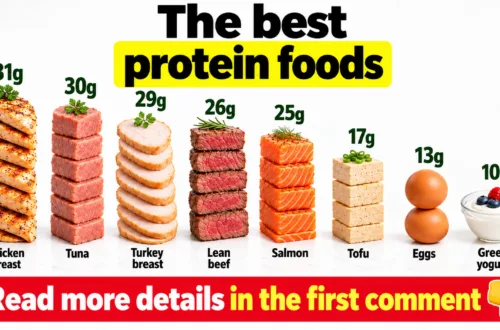
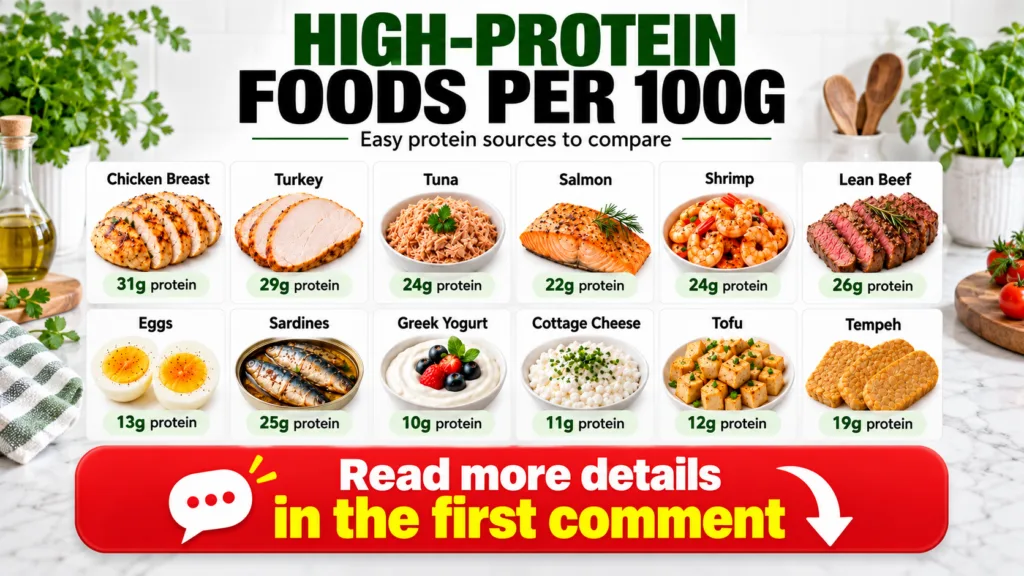
High-Protein Food Chart (per 100g, approximate values)
| Food | Calories | Protein | Carbs | Fat | Fiber | Main Nutrients | Best Benefit |
|---|---|---|---|---|---|---|---|
| Chicken Breast (cooked) | 165 | 31g | 0g | 3.6g | 0g | Niacin, B6, Selenium | Lean muscle builder |
| Salmon (cooked) | 206 | 22g | 0g | 12g | 0g | Omega-3s, Vitamin D, B12 | Heart health, anti-inflammatory |
| Greek Yogurt (plain, non-fat) | 59 | 10g | 3.6g | 0.4g | 0g | Calcium, Probiotics, B12 | Gut health, bone strength |
| Lentils (cooked) | 116 | 9g | 20g | 0.4g | 7.9g | Folate, Iron, Manganese | Digestive health, sustained energy |
| Eggs (large) | 155 | 13g | 1.1g | 11g | 0g | Choline, Selenium, Vitamin D | Brain health, versatile |
| Tofu (firm) | 76 | 8g | 1.9g | 4.8g | 0.3g | Calcium, Iron, Manganese | Plant-based complete protein |
| Cottage Cheese (low-fat) | 72 | 12g | 3g | 1.6g | 0g | Calcium, Phosphorus, Selenium | Slow-digesting protein, satiety |
| Lean Beef (cooked) | 250 | 26g | 0g | 15g | 0g | Iron, Zinc, B12, Creatine | Red blood cell formation, strength |
| Shrimp (cooked) | 85 | 20g | 0.2g | 0.3g | 0g | Selenium, B12, Phosphorus | Very low calorie, lean protein |
| Quinoa (cooked) | 120 | 4.4g | 21g | 1.9g | 2.8g | Manganese, Magnesium, Folate | Complete plant protein, fiber-rich |
| Almonds | 579 | 21g | 22g | 49g | 12g | Vitamin E, Magnesium, Fiber | Healthy fats, antioxidant power |
| Edamame (shelled, cooked) | 122 | 11g | 10g | 5g | 5g | Folate, Vitamin K, Manganese | Plant-based, fiber, vitamins |
Best Ways to Eat High-Protein Foods
Integrating more protein into your diet can be delicious and simple. Here are some ideas:
- Start Your Day Right: Incorporate protein into breakfast with options like Greek yogurt with berries, scrambled eggs, or a protein smoothie.
- Snack Smart: Choose protein-rich snacks such as a handful of almonds, cottage cheese, hard-boiled eggs, or edamame to stay full between meals.
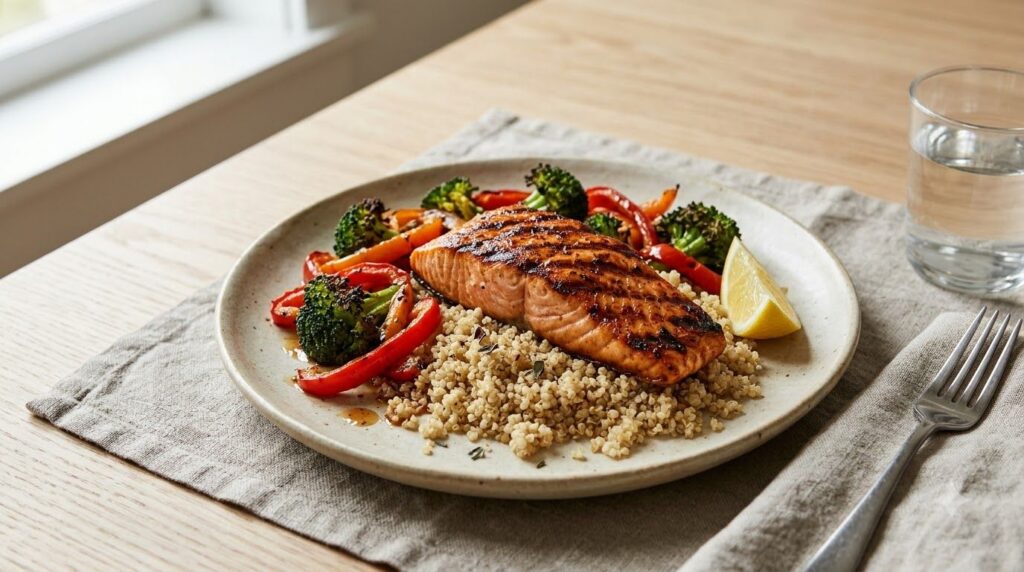
- Lean Meats and Fish: Opt for grilled chicken breast, baked salmon, or lean cuts of beef as main courses.
- Plant-Based Power: Explore lentils, beans, tofu, tempeh, and quinoa as excellent sources of plant-based protein.
- Protein-Packed Sides: Add a side of chickpeas to your salad, or mix lentils into a soup for an extra protein boost.
- Meal Prep: Prepare protein sources like grilled chicken or hard-boiled eggs in advance for quick and easy meal additions throughout the week.
Potential Considerations
While protein is essential, it’s also important to consider a balanced approach:
- Variety is Key: Don’t rely on just one or two protein sources. A diverse diet ensures you get all essential amino acids and a broader range of nutrients.
- Portion Sizes: While protein is good, excessive amounts from animal sources, especially red and processed meats, may be associated with other health concerns. Balance is crucial.
- Dietary Needs: Individuals with certain health conditions, like kidney disease, may need to moderate their protein intake. Always consult with a healthcare professional for personalized advice.
- Processing: Choose whole, unprocessed protein sources whenever possible over highly processed meats or protein bars with added sugars and unhealthy fats.
Practical Tips for Boosting Protein Intake
Making small, consistent changes can lead to significant improvements in your protein intake:
- Read Labels: When grocery shopping, check the protein content of foods to make informed choices.
- Pair Protein with Carbs: Combining protein with complex carbohydrates and healthy fats helps to stabilize blood sugar and enhance satiety.
- Don’t Skip Meals: Aim for protein at every meal and snack to maintain stable energy levels and prevent overeating.
- Hydrate: Drinking plenty of water is always important, especially when increasing protein and fiber intake.
- Experiment with Recipes: Look for healthy recipes that naturally feature high-protein ingredients, like lentil stews, chicken stir-fries, or tofu scrambles.
FAQs About High-Protein Foods
Q: How much protein do I need daily?
A: The recommended dietary allowance (RDA) for protein is 0.8 grams of protein per kilogram of body weight. However, this can vary based on age, activity level, and specific health goals. Athletes or those looking to build muscle may need more.
Q: Are plant-based proteins as good as animal proteins?
A: Yes! Many plant-based proteins like quinoa, soy products (tofu, tempeh), and certain combinations of legumes and grains provide all essential amino acids. A varied plant-based diet can easily meet protein needs.
Q: Can eating too much protein be harmful?
A: For most healthy individuals, a high-protein diet is generally safe. However, extremely high intakes over a long period may put a strain on the kidneys. It’s always best to consult a healthcare provider if you have concerns.
Q: What are good high-protein snacks?
A: Excellent high-protein snacks include Greek yogurt, cottage cheese, a handful of almonds or walnuts, hard-boiled eggs, edamame, beef jerky (low sodium), or a small serving of hummus with vegetables.
Q: Does protein help with weight loss?
A: Yes, protein can significantly aid in weight loss. It increases satiety, helps preserve muscle mass during calorie restriction, and has a higher thermic effect, meaning your body uses more energy to digest it.
Q: What is a complete protein?
A: A complete protein contains all nine essential amino acids that your body cannot produce on its own. Most animal proteins (meat, fish, eggs, dairy) are complete. Some plant proteins, like quinoa, tofu, and tempeh, are also complete.
Conclusion
Embracing a diet rich in high-protein foods is a powerful step towards a healthier, more energized you. From supporting muscle growth and satiety to boosting your metabolism and immune system, the benefits are extensive. By making conscious choices at mealtimes and snacks, you can easily incorporate more of these nourishing foods into your daily routine.
Remember, variety is key to getting a full spectrum of nutrients. Experiment with different protein sources, both animal and plant-based, to discover what you enjoy most. Start boosting your diet with protein today and feel the difference!
This content is for educational purposes only and should not be considered medical advice. Consult a qualified healthcare professional for personalized dietary recommendations.