Discover Delicious Fruits for Your Shade Garden!
Do you dream of harvesting fresh, juicy fruits right from your own garden but feel limited by shady spots? You’re not alone! Many gardeners believe that a bountiful fruit harvest requires full sun, but we’re here to tell you that’s not always the case. Even in those cooler, dappled areas of your yard, you can cultivate a variety of delicious fruits that thrive in less-than-sunny conditions. Let’s explore the wonderful world of shade-loving fruits and turn those overlooked corners into productive edible oases!
Why Choose Shade-Tolerant Fruits?
Gardening in the shade offers unique advantages. Shady areas often retain more moisture, reducing your watering needs, and can create a cooler microclimate, perfect for plants that might scorch in intense summer sun. Plus, utilizing shady spots means maximizing your garden’s potential, ensuring no space goes to waste. It’s an eco-friendly and smart way to diversify your harvest.
Top Shade-Loving Fruits for a Bountiful Harvest
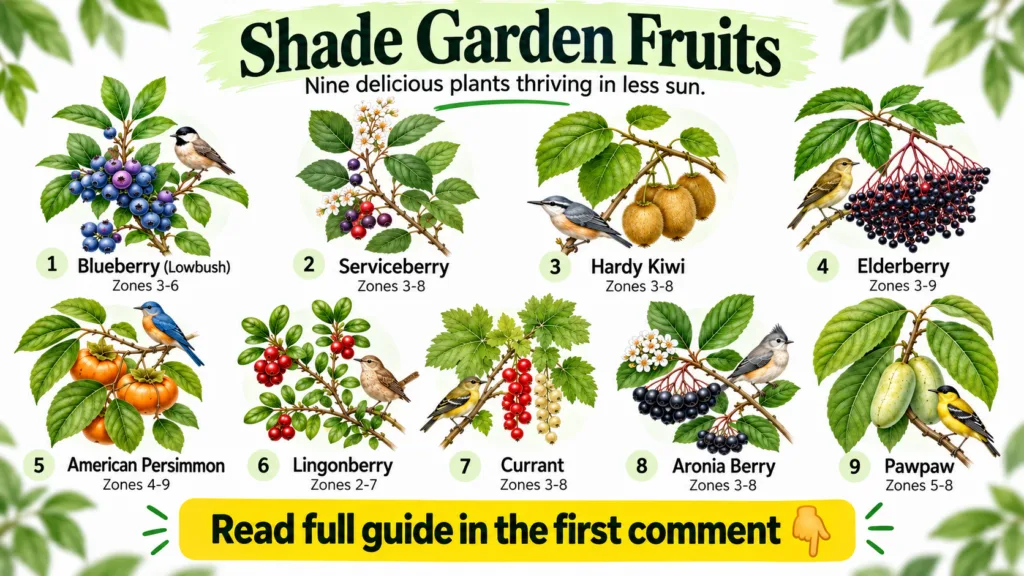
Ready to get started? Here are some fantastic fruit plants that don’t mind a little (or a lot) of shade:
1. Blueberries (Partial Shade)
While most blueberries prefer full sun for peak production, many varieties can tolerate partial shade, especially in hotter climates where afternoon shade can prevent scorching. They thrive in acidic soil, so amending your soil with peat moss or pine bark is often necessary. Look for varieties like ‘Duke’ or ‘Legacy’ which can be more adaptable.
- Light Needs: At least 4-6 hours of sun, but appreciate afternoon shade.
- Soil: Acidic (pH 4.5-5.5), well-draining, rich in organic matter.
- Water: Consistent moisture, especially during fruiting.
2. Currants and Gooseberries (Partial Shade to Full Shade)
These European favorites are true champions of the shade garden. Red, white, and black currants, along with gooseberries, can produce abundant crops even with only a few hours of sun or in dappled shade throughout the day. They are relatively low-maintenance and cold-hardy.
- Light Needs: 3-6 hours of direct sun, or dappled shade all day.
- Soil: Loamy, well-draining, slightly acidic to neutral.
- Water: Regular watering, especially during dry spells.
3. Elderberries (Partial Shade)
Elderberries are robust plants that can grow into large shrubs or small trees, producing clusters of berries perfect for jams, jellies, and wines. They are incredibly adaptable and can tolerate a wide range of conditions, including partial shade.
- Light Needs: 4-6 hours of sun, tolerates more shade.
- Soil: Adaptable, but prefers moist, well-draining soil.
- Water: Moderate to high moisture needs.
4. Lingonberries (Partial Shade)
Similar to cranberries but smaller and with a more tart flavor, lingonberries are an excellent choice for acidic, shady spots. They are evergreen groundcovers, making them a beautiful and productive addition to your garden.
- Light Needs: Partial shade (especially in warmer climates).
- Soil: Acidic (pH 4.0-5.5), well-draining, rich in organic matter.
- Water: Consistent moisture.
5. Alpine Strawberries (Partial Shade to Full Shade)
Unlike their larger cultivated cousins, alpine strawberries are woodland plants that thrive in shade. Their berries are smaller but intensely flavorful, often described as having notes of pineapple or rose. They are also known for continuous fruiting throughout the growing season.
- Light Needs: Partial to full shade.
- Soil: Rich, well-draining, slightly acidic.
- Water: Consistent moisture, do not let them dry out.
Tips for Success in Your Shade Fruit Garden
Even with shade-tolerant plants, a few extra steps can ensure a thriving harvest:
Improve Soil Quality
Shady areas can sometimes have compacted or nutrient-poor soil. Amend your soil generously with organic matter like compost, leaf mold, or aged manure to improve drainage, aeration, and fertility. This is crucial for healthy root development.
Ensure Good Air Circulation
In shady, often damp environments, good air circulation is vital to prevent fungal diseases. Space your plants adequately and prune them to maintain an open structure.
Monitor Moisture Levels
While shade typically means less evaporation, some areas can still dry out quickly, especially under large trees. Conversely, poorly draining shady spots can become waterlogged. Regularly check soil moisture and water as needed, aiming for consistently moist but not soggy soil.
Pest and Disease Management
Damp, shady conditions can sometimes favor slugs, snails, and certain fungal diseases. Employ organic pest control methods and choose disease-resistant varieties when possible. Good garden hygiene, like removing fallen leaves and debris, also helps.
Consider Container Gardening
If your soil is particularly challenging or you want more flexibility, growing shade-loving fruits in containers is an excellent option. This allows you to control soil composition and move plants to optimize light exposure as seasons change.
Embrace the Shade!
Don’t let a lack of full sun deter you from the joy of growing your own fruit. By choosing the right plants and providing a little extra care, your shady spots can become some of the most productive and beautiful areas of your garden. Imagine stepping outside and picking fresh berries from a cool, serene corner of your yard. It’s absolutely possible!
Happy gardening!