Mastering Oat Portions: A Guide to Healthy Eating
Oats are a beloved breakfast staple, known for their heart-healthy fiber, sustained energy, and versatility. But have you ever stopped to consider if you’re measuring your oats correctly? Getting the right portion size can make a big difference in how you feel throughout the day, helping you avoid quick hunger lows or unnecessary calorie overload.
In this guide, we’ll dive into the world of oat portions. You’ll learn how different amounts of oats can fit into your daily meals, from a light snack to a hearty breakfast. Understanding portion control is key to harnessing the full benefits of this superfood and feeling your best!
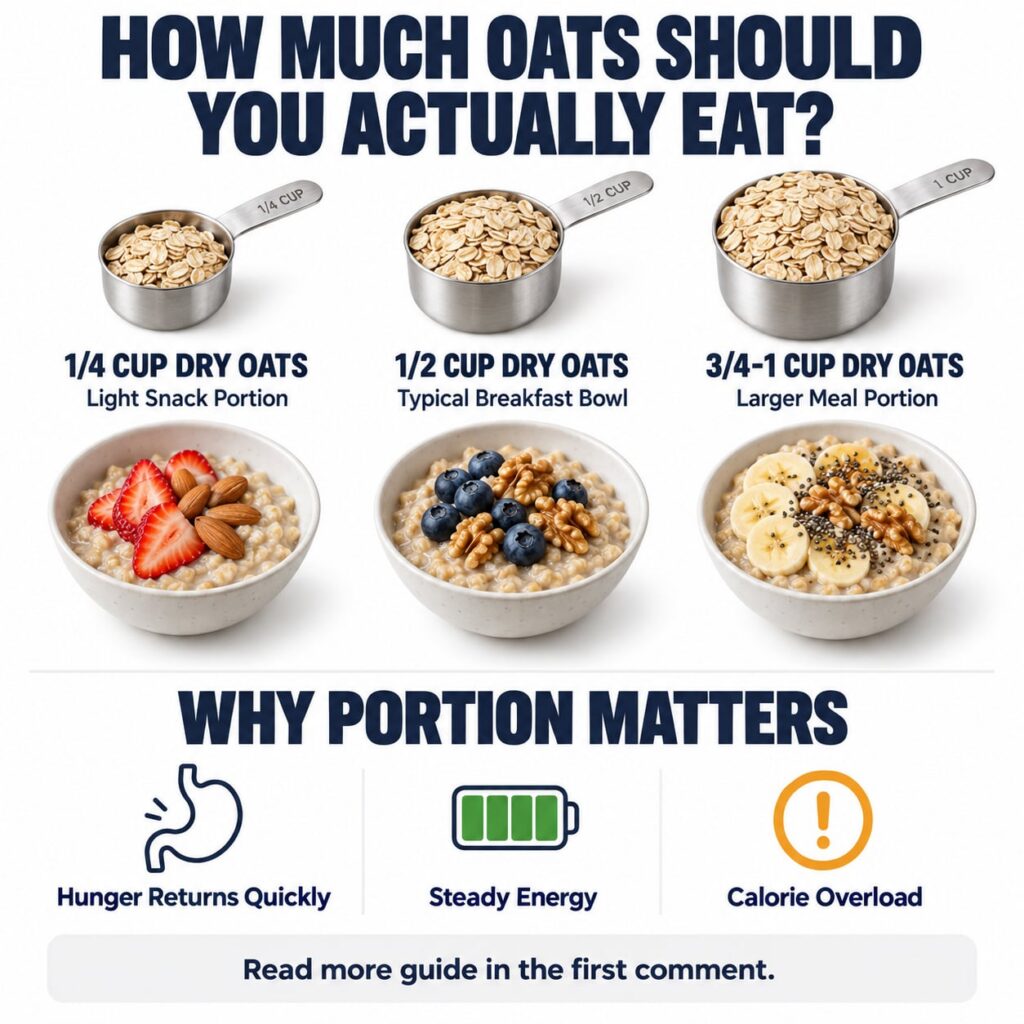
Oat Portion Chart: Dry Rolled Oats Comparison
Let’s break down the nutrition and benefits of common dry rolled oat portion sizes. Remember, these values are approximate and can vary slightly based on the specific type of oats and exact measurements.
| Portion Size (Dry Rolled Oats) | Calories (Approx.) | Protein (Approx.) | Carbs (Approx.) | Fat (Approx.) | Fiber (Approx.) | Main Nutrients | Best Benefit |
|---|---|---|---|---|---|---|---|
| 1/4 cup (25g) | 95 kcal | 3.5g | 17g | 2g | 2.5g | Manganese, Phosphorus | Light snack, quick energy |
| 1/2 cup (50g) | 190 kcal | 7g | 34g | 4g | 5g | Manganese, Phosphorus, Magnesium, B vitamins | Standard breakfast, sustained energy |
| 1 cup (100g) | 380 kcal | 14g | 68g | 8g | 10g | Manganese, Phosphorus, Magnesium, B vitamins, Iron, Zinc | High-energy meal, post-workout |
Understanding the Nutrition Comparison
As you can see, increasing your oat portion significantly boosts the calorie, protein, and fiber content. This is why choosing the right size for your specific needs is so important.
- Calories: Oats provide complex carbohydrates, which are a great source of energy. Larger portions mean more energy, which is beneficial for active individuals but could lead to excess calories for those with lower energy needs.
- Protein: While not a primary protein source, oats do offer a decent amount of plant-based protein, especially in larger servings. This contributes to satiety and muscle support.
- Fiber: The soluble fiber (beta-glucan) in oats is excellent for digestive health and can help lower cholesterol. Larger portions deliver more of this beneficial fiber, promoting fullness and stable blood sugar.
Serving Suggestions for Each Portion
Here’s how you can incorporate different oat portions into your daily routine:
1/4 Cup (Light Snack)
- Quick Boost: Perfect for a small pick-me-up between meals.
- Yogurt Topping: Sprinkle on Greek yogurt for added fiber and crunch.
- Smoothie Thickener: Blend into a smoothie for extra substance and nutrients.
1/2 Cup (Standard Breakfast/Meal)
- Everyday Breakfast: The ideal amount for most adults seeking a nutritious and filling start to the day.
- Overnight Oats: Prepare with milk or water, adding fruits, nuts, and seeds for a grab-and-go meal.
- Healthy Side: Can be a warm, comforting side dish, especially in colder months.
1 Cup (High-Energy Meal)
- Athlete’s Fuel: Excellent for athletes or highly active individuals needing sustained energy.
- Weight Gain Support: If you’re looking to gain weight in a healthy way, this portion provides significant calories and nutrients.
- Hearty Brunch: A substantial option for a weekend brunch, especially if you plan a physically active day.
Who Should Eat More Oats?
While oats are beneficial for almost everyone, some individuals may benefit from larger portions:
- Athletes and Active Individuals: The complex carbs provide sustained energy for workouts and recovery.
- Individuals with High Energy Needs: People with physically demanding jobs or those trying to gain weight.
- Those Aiming for Increased Fiber Intake: Larger portions significantly contribute to daily fiber goals, supporting digestive health.
Practical Tips for Enjoying Your Oats
Getting your oat portions right is just one step. Here are some additional tips to make your oat experience even better:
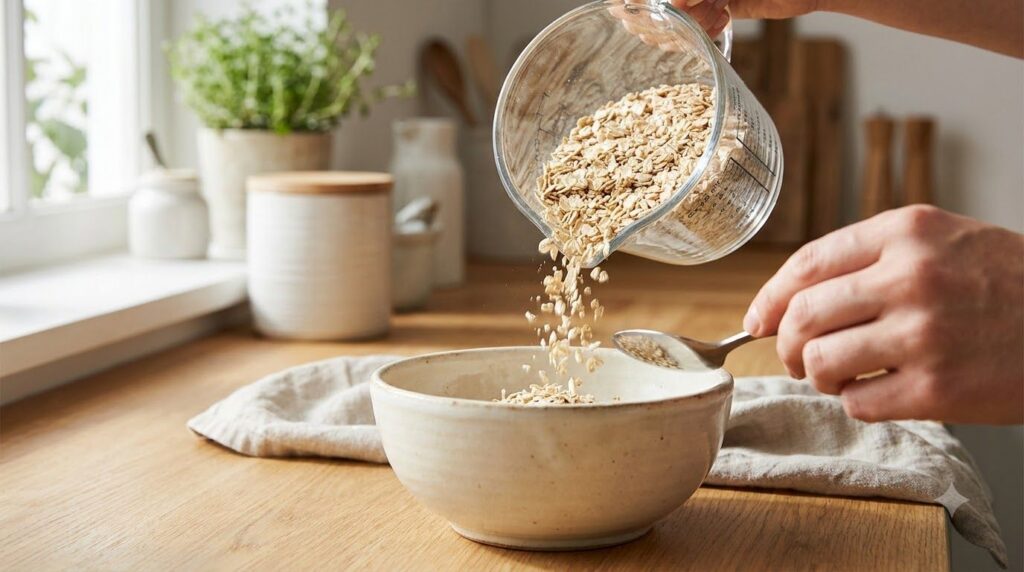
- Use a Measuring Cup: This is the simplest way to ensure you’re getting consistent portions.
- Hydration is Key: Oats absorb a lot of liquid. Make sure to add enough water, milk, or plant-based milk to achieve your desired consistency without adding extra calories from excessive liquid.
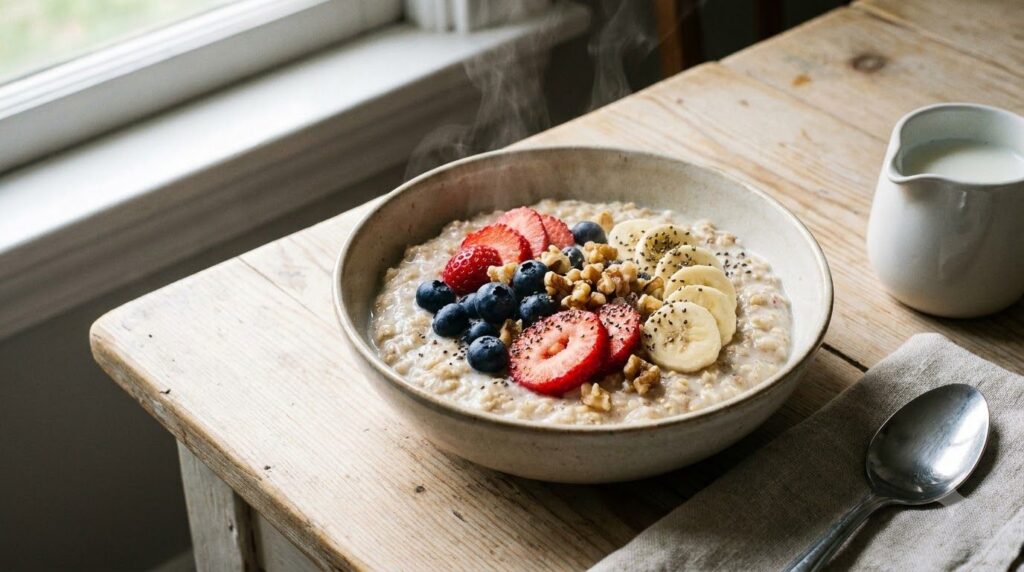
- Don’t Forget Toppings: Enhance nutrition and flavor with healthy toppings like fresh fruits, a small handful of nuts or seeds, a dash of cinnamon, or a drizzle of natural sweetener.
- Listen to Your Body: Pay attention to your hunger and fullness cues. Adjust your portion size based on how you feel and your energy requirements.
- Variety is Good: Experiment with different types of oats (steel-cut, rolled, instant) to find what you enjoy most. Just be mindful that cooking times and nutritional density can vary.
FAQs About Oat Portions
What is the recommended daily serving of oats?
A common recommended serving of dry rolled oats is 1/2 cup (about 50g), which provides a good balance of calories, fiber, and nutrients for most adults. However, individual needs vary based on activity level and health goals.
Does the portion size differ for steel-cut vs. rolled oats?
Generally, a 1/4 cup of dry steel-cut oats is roughly equivalent in calories and macronutrients to 1/2 cup of dry rolled oats due to their density. Always check the nutrition label for precise information.
Can eating too many oats be unhealthy?
While oats are healthy, consuming excessive amounts can lead to too many calories, potentially contributing to weight gain if not balanced with activity. It can also cause digestive discomfort for some due to high fiber content if introduced too quickly.
How can I make my oats more filling without increasing the portion size too much?
Add protein (e.g., protein powder, nut butter, Greek yogurt) and healthy fats (e.g., chia seeds, flaxseeds, nuts) to your oats. These can significantly increase satiety without drastically upping the carb or overall portion size.
Is 1/4 cup of oats enough for breakfast?
For most people, 1/4 cup of dry oats alone might not be enough for a full breakfast, as it’s a relatively small portion. It’s better suited as a light snack or as a base for a more substantial meal when combined with other ingredients like protein and fats.
How do I measure oats accurately without a measuring cup?
While a measuring cup is best, you can use kitchen scales for precision (1/2 cup dry rolled oats is approximately 50g). If neither is available, try to estimate visually after learning what a standard portion looks like. However, for consistent results, investing in a measuring cup is recommended.
Conclusion
Understanding and mastering oat portion sizes is a simple yet effective way to optimize your nutrition and health goals. Whether you’re aiming for a light energy boost, a balanced breakfast, or a high-energy meal, knowing the right amount of oats can help you achieve your desired outcome. By paying attention to these details and incorporating healthy toppings, you can enjoy all the incredible benefits this versatile grain has to offer.
Ready to explore more delicious and healthy food options? Dive into our other articles for more tips, recipes, and guides to nourish your body and mind!
This content is for educational purposes only and should not be considered medical advice. Consult a qualified healthcare professional for personalized dietary recommendations.