Welcome, fellow garden enthusiasts! Are you dreaming of fresh, homegrown vegetables but don’t have a sprawling backyard? Or perhaps you’re looking to maximize your patio, balcony, or even a sunny windowsill? Good news! Container gardening is your perfect solution for a thriving home harvest, no matter the space. Today, we’re diving deep into one of the most crucial aspects of successful container gardening: choosing the right pot size for your beloved vegetables.
Many budding gardeners get stuck wondering which pot is best for what plant. Too small, and your plant will be stunted and thirsty. Too large, and you might waste precious soil and water. Finding that sweet spot is key to happy, healthy, and productive plants!
Why Pot Size Truly Matters for Your Plants
Think of a plant’s roots as its lifeline. They need ample space to grow, spread out, and absorb nutrients and water efficiently. A confined root system leads to:
- Stunted Growth: Roots can’t expand, limiting the plant’s overall size and yield.
- Frequent Watering: Smaller pots dry out much faster, requiring constant attention.
- Nutrient Deficiency: Less soil means fewer available nutrients for your plant.
- Heat Stress: Soil in smaller pots heats up quicker, potentially damaging roots.
By providing the right amount of space, you ensure your plants have a stable environment to flourish, leading to a bountiful harvest right from your patio!
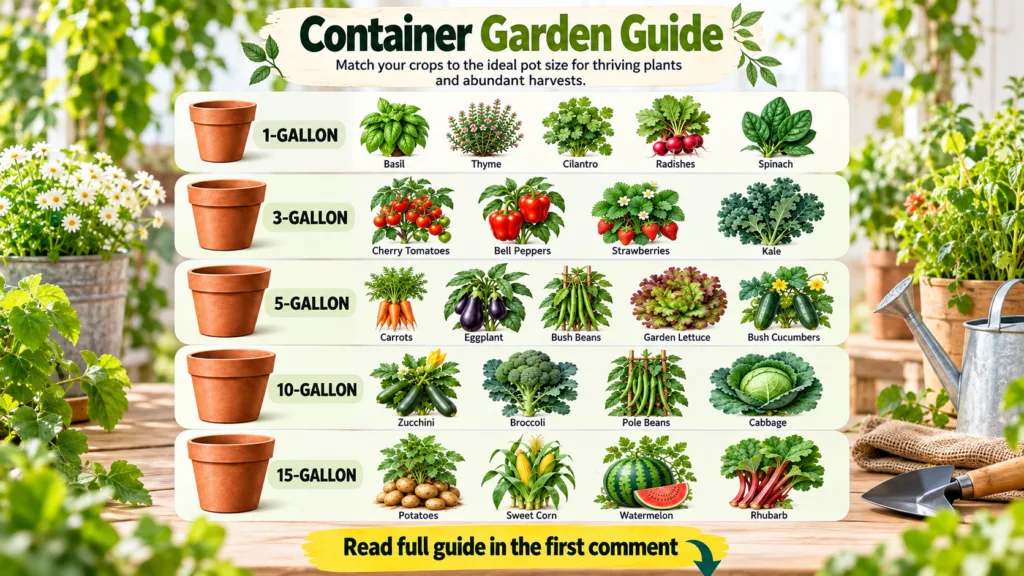
The Ultimate Pot Sizing Guide for Thriving Patio Vegetables
Let’s break down the optimal pot sizes for some common and delicious vegetables you can grow in containers. Remember, these are general guidelines, and slightly larger is often better than too small!
1-3 Gallon Pots (Small & Mighty)
Perfect for plants with shallow root systems or those that you harvest frequently.
- Herbs: Basil, mint, chives, cilantro, parsley thrive in smaller pots. You can even group a few herbs together in a 3-gallon pot.
- Lettuce & Salad Greens: Loose-leaf varieties, spinach, arugula, and other quick-growing greens do wonderfully.
- Radishes: Fast-growing and don’t need much depth.
- Bush Beans: Some bush varieties can start here, but a 5-gallon is often better for a good yield.
5-7 Gallon Pots (Medium & Versatile)
This size is a workhorse for many popular vegetables, offering enough space for decent root development and moisture retention.
- Carrots: Choose shorter varieties and ensure the pot is deep enough (at least 10-12 inches).
- Bush Beans: Excellent choice for a full harvest.
- Peas: Both bush and climbing varieties (with a trellis) do well.
- Cucumbers: Bush varieties are ideal for containers of this size.
- Spinach & Chard: These leafy greens appreciate the extra room.
- Small Pepper Plants: Bell peppers or chili peppers can thrive here, especially compact varieties.
10-15 Gallon Pots (Large & Productive)
When you want to grow larger, more robust plants that need significant root space and consistent moisture, these bigger pots are your best friends.
- Tomatoes: This is the ideal size for most determinate (bush) and indeterminate (vining) tomato varieties. Indeterminate tomatoes will need sturdy support like a cage or stake.
- Eggplant: Similar to tomatoes, eggplants are heavy feeders and require ample space.
- Larger Pepper Plants: For bigger yields of bell peppers or hot peppers, go for at least 10 gallons.
- Zucchini & Summer Squash: Look for ‘bush’ or ‘compact’ varieties as traditional zucchini plants can get enormous.
- Potatoes: Great for growing in grow bags or large containers.
Beyond Pot Size: Essential Tips for Container Garden Success
While pot size is critical, a few other factors will ensure your container garden truly thrives:
- Drainage is Key: Ensure all your pots have drainage holes. Waterlogged roots are a recipe for disaster.
- Quality Potting Mix: Don’t use garden soil; it’s too dense for containers. Opt for a high-quality potting mix that drains well and retains moisture.
- Consistent Watering: Container plants dry out faster than in-ground plants. Check soil moisture daily, especially during hot weather.
- Regular Feeding: Since nutrients wash out with watering, feed your plants with a balanced liquid fertilizer every 2-4 weeks.
- Sunlight: Most vegetables need at least 6-8 hours of direct sunlight per day. Position your containers accordingly.
- Support: Taller plants like tomatoes, cucumbers, and some peppers will benefit from stakes, cages, or trellises.
Ready to Grow Your Own Home Harvest?
Starting a container garden is an incredibly rewarding experience, bringing fresh produce right to your fingertips. By understanding the importance of pot size and following these simple tips, you’re well on your way to a lush, productive, and beautiful patio garden. Don’t be afraid to experiment and find what works best in your unique space!
What are you excited to grow in containers this season? Share your plans and any container gardening tips you have in the comments below!