Every gardener dreams of a vibrant, flourishing space filled with healthy plants and abundant harvests. The secret to achieving this isn’t magic, but rather understanding the vital role of nutrition for your green friends. Just like us, plants thrive on a balanced diet, and that’s where fertilizers come in. But not all fertilizers are created equal! Today, we’re diving into the wonderful world of organic fertilizers, with a special focus on the powerhouse of your garden: homemade organic compost.
The Foundation of Life: Understanding Organic Fertilizers
When we talk about ‘healthier plants and bigger harvests,’ we’re really talking about creating a thriving ecosystem in your garden, starting from the ground up. Organic fertilizers, unlike synthetic ones, work by enriching your soil and supporting its microscopic life, which in turn feeds your plants naturally. This holistic approach leads to stronger, more resilient plants that are less prone to pests and diseases.
Why Choose Organic?
- Soil Health: Organic matter improves soil structure, aeration, and water retention, creating a perfect home for roots.
- Nutrient Release: Nutrients are released slowly over time, providing a steady supply for your plants and preventing nutrient burn.
- Microbial Boost: Encourages beneficial microorganisms, fungi, and earthworms, which are crucial for nutrient cycling.
- Environmental Friendly: Reduces chemical runoff and supports biodiversity, contributing to a healthier planet.
Homemade Organic Compost: Your Garden’s Superfood
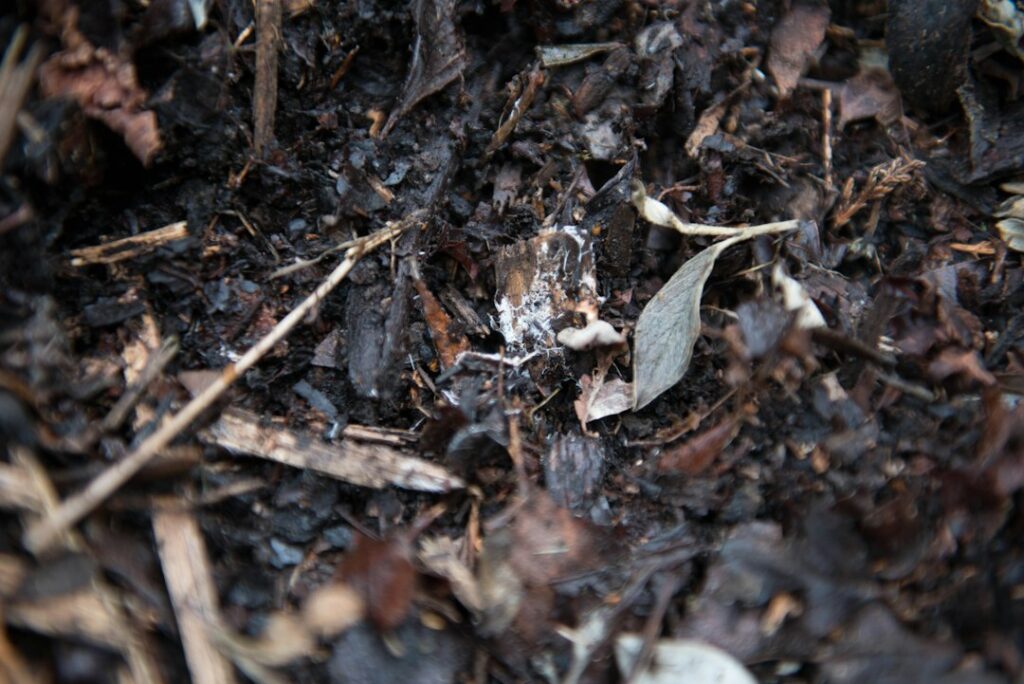
Among the many types of organic fertilizers, homemade compost stands out as a true garden hero. It’s essentially ‘black gold’ – a rich, dark, crumbly material made from decomposed organic matter. Making your own compost is not only incredibly rewarding but also an excellent way to recycle kitchen scraps and yard waste, transforming them into a nutrient-dense amendment for your soil.
The Magic of Composting
Composting involves layering ‘greens’ (nitrogen-rich materials like fruit and vegetable scraps, grass clippings) and ‘browns’ (carbon-rich materials like dry leaves, shredded cardboard, wood chips) along with water and air. Over time, microorganisms break down these materials, creating that wonderful, nutrient-packed compost.
Benefits of Using Compost:
- Enriches Soil: Adds essential nutrients like nitrogen, phosphorus, and potassium, along with trace minerals.
- Improves Drainage: Helps sandy soils retain water and clay soils drain better.
- Suppresses Pests & Diseases: Healthy soil leads to healthy plants, making them more resistant to common garden problems.
- Reduces Waste: Diverts organic waste from landfills, helping the environment.
Beyond Compost: Other Organic Fertilizer Options
While compost is fantastic, there are other natural options that can provide targeted nutrients or specific benefits:
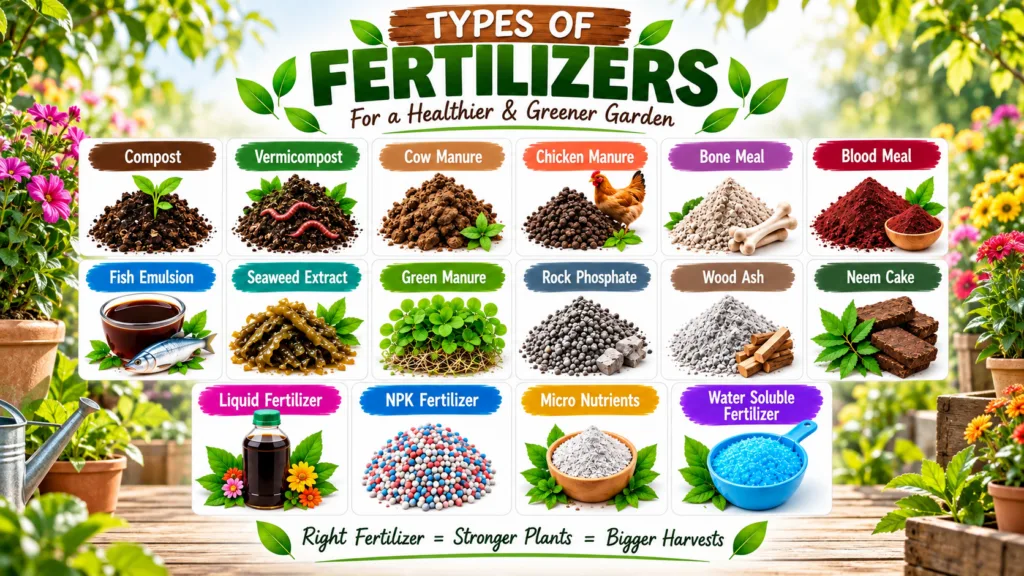
- Manure: Aged animal manure (from chickens, cows, horses, etc.) is rich in nutrients. Always use aged manure to avoid burning plants.
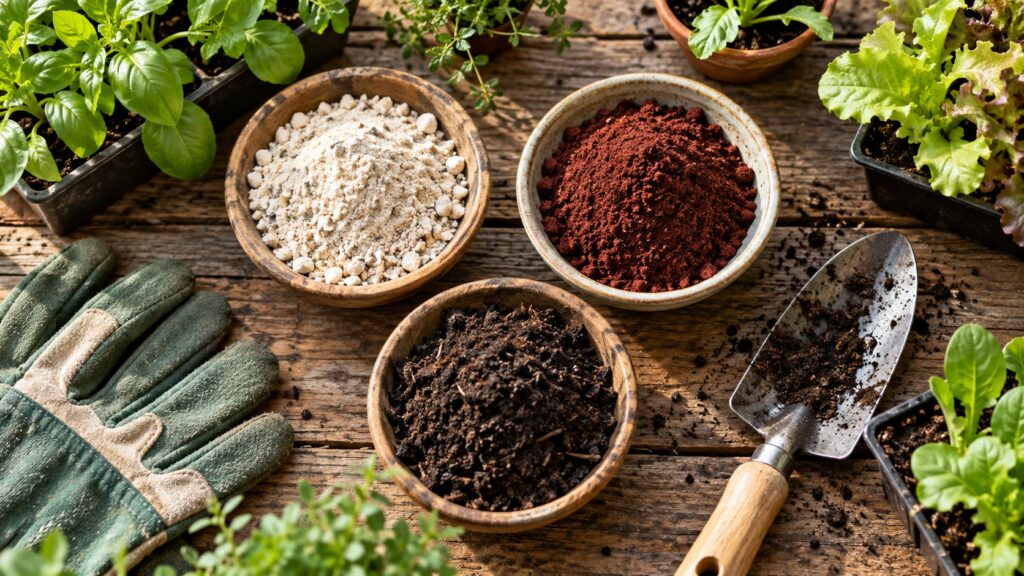
- Bone Meal: A good source of phosphorus, excellent for flowering and fruiting plants.
- Blood Meal: Provides a quick boost of nitrogen, ideal for leafy greens.
- Fish Emulsion: A liquid fertilizer that offers a balanced range of nutrients and is easily absorbed by plants.
- Worm Castings: The incredibly fertile excrement of earthworms, packed with beneficial microbes and nutrients.
Getting Started with Your Healthier, Greener Garden
Embracing organic gardening methods and incorporating homemade compost into your routine is one of the best steps you can take for your garden’s long-term health and productivity. You’ll not only see healthier plants and bigger harvests but also feel a deeper connection to nature and the food you grow.
Ready to transform your garden? Start small, experiment with different organic methods, and observe how your plants respond. Happy gardening!