Unlock Your Best Eating Schedule!
Ever wondered if your eating schedule is holding back your energy, mood, or even your digestion? It’s a common question, and the good news is that a few simple tweaks to when and what you eat can dramatically improve your digestion and overall well-being. Strategic eating isn’t just about dieting; it’s about optimizing your body’s natural rhythms to feel your best every single day.
Let’s dive into how you can transform your day by aligning your meals with your body’s needs!
Why Does Meal Timing Matter?
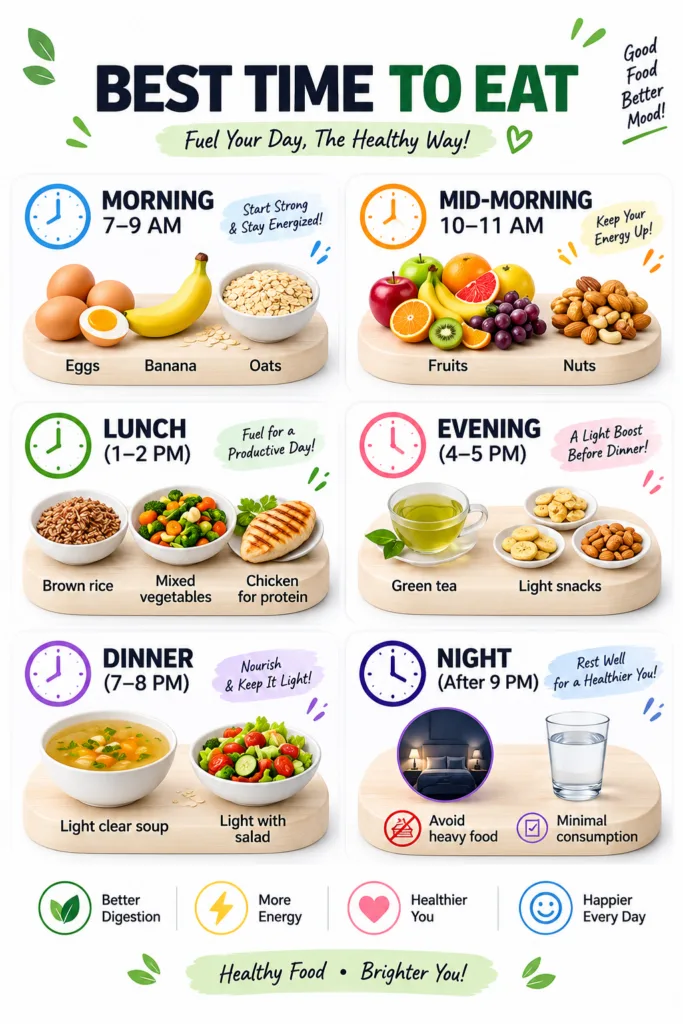
Our bodies operate on a natural internal clock, also known as the circadian rhythm, which influences everything from sleep cycles to metabolism. Eating at consistent, optimal times can help regulate blood sugar levels, support digestive health, and keep your energy steady. When you eat strategically, you provide your body with a continuous supply of nutrients, preventing drastic energy dips and helping you feel more focused and vibrant.
Morning Magic: Kickstarting Your Day
Breakfast truly is the most important meal. After a night of fasting, your body needs fuel to get going. Aim to eat within an hour or two of waking up. A balanced breakfast helps jumpstart your metabolism, provides sustained energy, and can even improve cognitive function throughout the morning.
- Best choices: Whole grains like oats, eggs for protein, Greek yogurt, and fresh fruits. Think fiber, protein, and healthy fats to keep you full and energized.
Mid-Morning Boost: Smart Snacking
If you have a long stretch between breakfast and lunch, a small mid-morning snack can prevent hunger pangs and help maintain stable blood sugar. This isn’t about overeating, but rather about keeping your energy levels consistent.
- Best choices: A handful of nuts, an apple with a tablespoon of almond butter, or a small portion of berries.
Lunch Power-Up: Fuel for the Afternoon
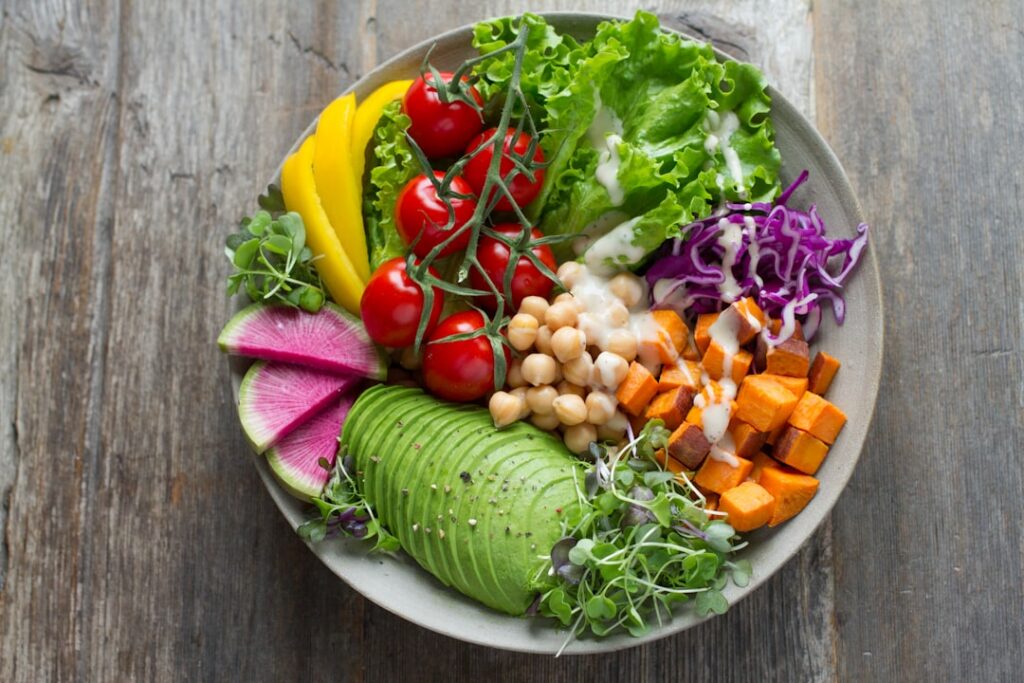
Lunch is your chance to refuel for the rest of your workday or daily activities. A balanced lunch should provide sustained energy without leaving you feeling sluggish. Prioritize a mix of complex carbohydrates, lean protein, and plenty of vegetables.
- Best choices: A colorful salad with grilled chicken or chickpeas, a whole-wheat wrap with veggies and hummus, or a hearty lentil soup.
Afternoon Recharge: Bridging the Gap
For many, the mid-afternoon can bring a dip in energy. A strategic snack can help you power through until dinner without reaching for unhealthy options. Focus on something light yet satisfying.
- Best choices: Vegetable sticks with a dab of guacamole, a small cup of cottage cheese, or a piece of fruit.
Evening Nourishment: A Balanced Dinner
Dinner should be substantial enough to nourish your body, but not so heavy that it interferes with your sleep. Aim to eat dinner a few hours before bedtime to allow for proper digestion.
- Best choices: Lean proteins like fish or chicken, a generous serving of cooked vegetables, and a modest portion of complex carbohydrates like brown rice or sweet potato.
Nighttime Nibbles: Smart Choices Before Bed
While it’s generally best to avoid large meals close to bedtime, if you find yourself truly hungry, a very light snack can sometimes help with sleep. Choose something small and easy to digest.
- Best choices: A small glass of warm milk, a few slices of banana, or a cup of herbal tea.
General Tips for a Healthy Eating Schedule:
- Consistency is Key: Try to eat your meals around the same times each day. Your body appreciates routine.
- Listen to Your Body: While schedules are helpful, always pay attention to your hunger and fullness cues. Eat when you are hungry, and stop when you are satisfied.
- Stay Hydrated: Sometimes, thirst can be mistaken for hunger. Drink plenty of water throughout the day.
- Mindful Eating: Take your time with meals, chew thoroughly, and savor your food. This aids digestion and helps you recognize when you’re full.
Adjusting your eating schedule doesn’t have to be drastic. Start with one small change, like adding a healthy breakfast or ensuring a balanced lunch. Over time, you’ll likely notice significant improvements in your energy, mood, and overall well-being. Your body will thank you for it!
What’s one change you’re ready to make to your eating schedule? Share your thoughts in the comments!