Most gardeners only react when their squash plants are wilting, their leaves chewed, and the harvest looks dismal. But the real battle against the notorious squash bug isn’t won by reaction; it’s won by proactive, consistent weekly leaf checks. This often-overlooked habit is your secret weapon to a bountiful, healthy squash harvest. It’s the simple, consistent vigilance that makes all the difference.
What Are Squash Bugs and Why Are They a Threat?
Squash bugs (Anasa tristis) are true bugs that specifically target squash, pumpkins, gourds, and other cucurbits. They use their piercing-sucking mouthparts to extract sap from the leaves and stems, causing yellow spots, wilting, and eventually plant death. Unlike some pests that munch on leaves, squash bugs inject a toxin that causes plants to decline rapidly, often described as ‘squash bug wilt.’ This makes them particularly destructive, as the damage can appear quickly and severely impact your plants.
Understanding Their Lifecycle: Know Your Enemy
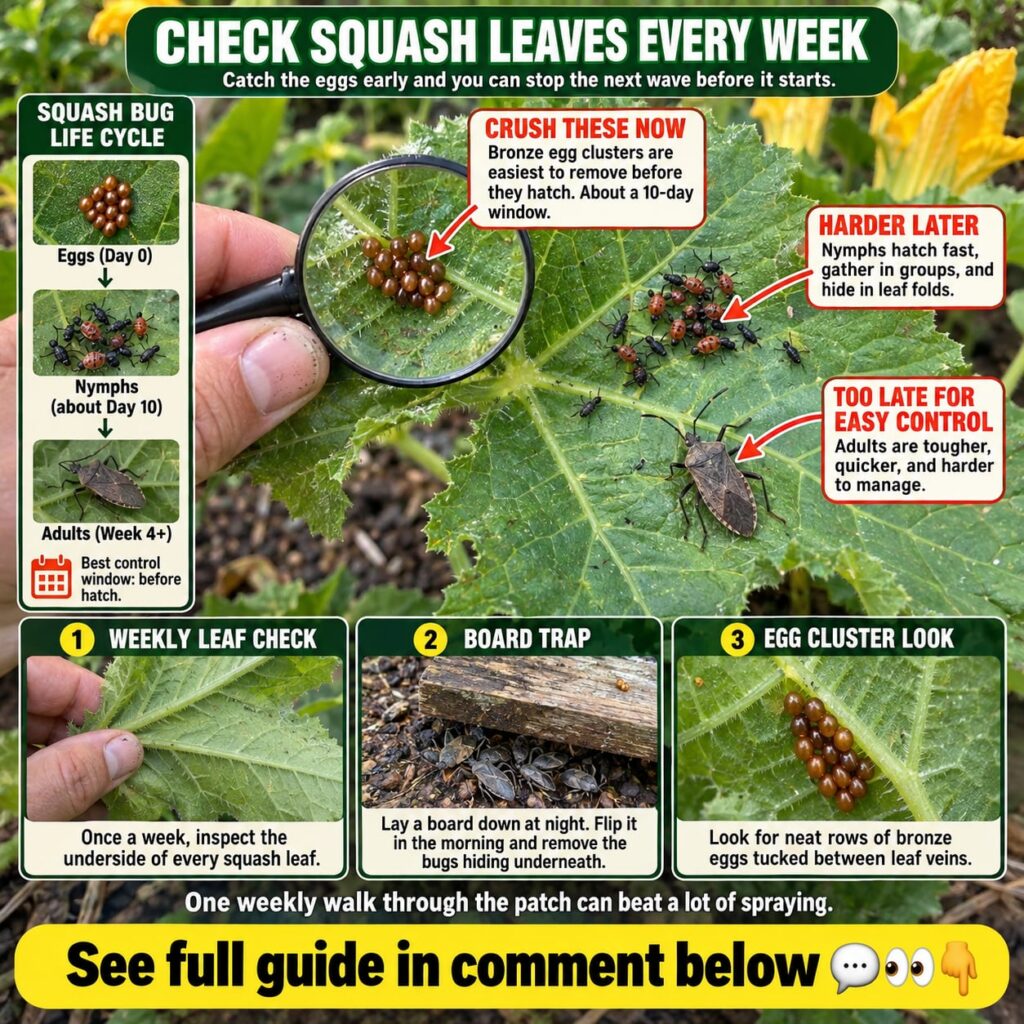
Understanding their lifecycle is crucial for effective control. Squash bugs go through egg, nymph, and adult stages, each requiring a different approach for removal. Knowing what to look for at each stage dramatically increases your chances of successful eradication.
| Stage | Appearance | Location | Control Method |
|---|---|---|---|
| Eggs | Small, oval, shiny, bronze to brownish-red, clustered in groups of 10-40. | Undersides of leaves, especially near veins. | Scrape off, crush, or tape off. |
| Nymphs | Greyish-white with black legs, gradually darkening to light grey as they mature. 5 instars (growth stages). | Undersides of leaves, stems, base of plants. | Handpick, drop into soapy water. |
| Adults | Flat, greyish-brown, about 5/8 inch long, emit a foul odor when crushed. | Undersides of leaves, stems, base of plants, soil debris. | Handpick, drop into soapy water, trap cropping. |
Step-by-Step Method: Your Weekly Leaf Check Routine
This is the part most people skip. Your weekly leaf check isn’t just a quick glance; it’s a methodical inspection that can save your entire harvest. Follow these steps for an effective scouting mission:
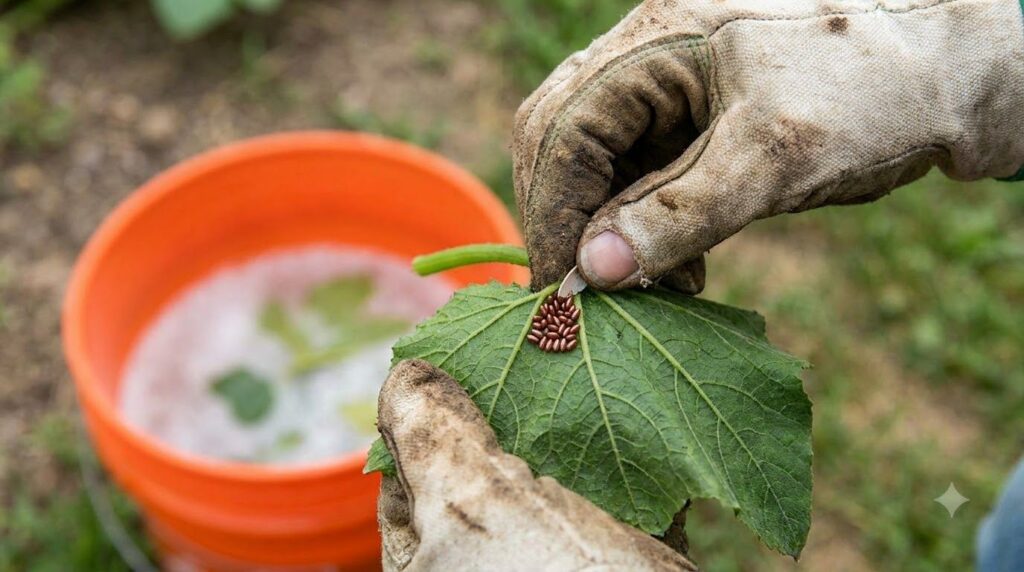
- Gather Your Tools: You’ll need a pair of gardening gloves, a small bucket partially filled with soapy water (dish soap works fine), and a magnifying glass (optional, but very helpful for tiny nymphs and eggs).
- Timing is Key: Early morning is ideal. Squash bugs are less active, and the cooler temperatures make it more comfortable for you to inspect thoroughly.
- Start at the Base: Begin your inspection with the lower leaves and stems, working your way up the plant. Squash bugs, especially adults, often hide near the ground or in denser foliage.
- Flip Every Leaf: This step is crucial. Squash bug eggs and young nymphs almost exclusively reside on the undersides of leaves. Without flipping, you’ll miss the earliest and most vulnerable stages.
- Scan for Clusters: Look intently for those distinctive bronze-red egg clusters. They are often arranged in neat, geometric rows along the leaf veins, making them somewhat easier to spot once you know what to look for.
- Spot the Nymphs: Young nymphs are tiny and grayish-white. As they grow through their five instars, they become larger and darker grey. They often cluster together before dispersing.
- Identify Adults: Adult squash bugs are good at hiding. Check under debris, around the base of the plant, and in any crevices on stems. They can blend in remarkably well.
- Destroy on Sight:
- Eggs: Scrape them off with your fingernail, an old credit card, or a dull knife. You can also use strong adhesive tape (like duct tape) to lift them off. Crush them immediately or drop them into your soapy water.
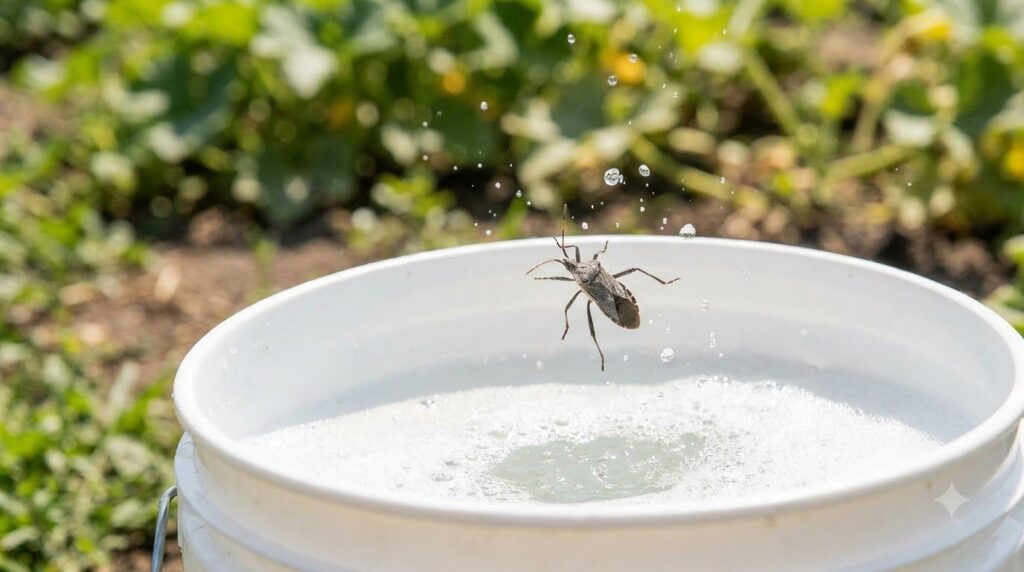
- Nymphs & Adults: Handpick these pests and drop them directly into your bucket of soapy water. The soap breaks the surface tension, causing them to quickly drown.
- Be Thorough, Be Consistent: Dedicate 10-15 minutes per plant, especially as your squash plants grow larger and bushier. Consistency is far more important than a single perfect sweep. A missed week can lead to a new, flourishing generation.
How Often to Use This Method
The clue is in the title: weekly. From the moment your squash seedlings emerge or are transplanted, commit to a weekly inspection. During peak squash bug season (often late spring through summer), you might even consider bi-weekly checks if you’ve had previous infestations or notice increased activity. Consistency is the most powerful tool in prevention.
Practical Tips for a Squash Bug-Free Garden
- Companion Planting: Some gardeners report success planting companion plants like marigolds, nasturtiums, and radishes, which are thought to deter squash bugs.
- Trap Cropping: Plant highly susceptible squash varieties (e.g., ‘Blue Hubbard’) a few weeks earlier than your main crop. These ‘trap crops’ attract the squash bugs, allowing you to concentrate your removal efforts on them before they move to your primary plants. Then, destroy the trap crop.
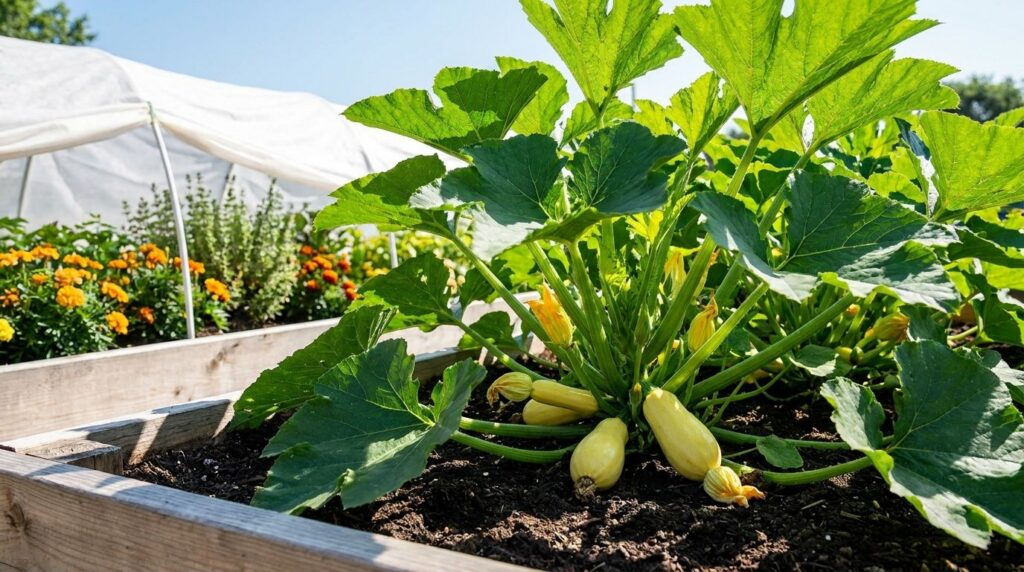
- Row Covers: Use floating row covers early in the season to physically prevent adult squash bugs from landing on plants and laying eggs. Remember to remove them when your plants start flowering to allow for pollination by bees.
- Garden Sanitation: Clear away garden debris, old plant material, and weeds in the fall. Squash bugs often overwinter in such litter, providing them a safe haven until spring.
- Attract Beneficials: Encourage natural predators like tachinid flies, which parasitize squash bugs. Plant flowers that attract these beneficial insects.
Common Mistakes That Lead to Infestations
- Only Checking the Tops of Leaves: This is arguably the biggest mistake. The undersides of leaves are where squash bugs lay their eggs and where nymphs feed.
- Ignoring Early Signs: A few eggs quickly turn into dozens of destructive nymphs. Early detection and removal are critical.
- Inconsistency: Skipping a week or two can allow a new generation to hatch and multiply, quickly overwhelming your efforts.
- Confusing Pests: Make sure you’re targeting squash bugs specifically, and not mistaking them for beneficial insects or other less harmful garden visitors.
- Applying Pesticides Too Late: Once an infestation is severe, chemical pesticides are often less effective against adult squash bugs and can harm beneficial insects.
Cautions: Safe and Effective Pest Management
While handpicking is a safe and highly effective method for controlling squash bugs, chemical pesticides should be considered a last resort. If you choose to use them, always read labels carefully, apply at dusk to protect pollinators, and wear appropriate protective gear. Many organic sprays, like insecticidal soap or neem oil, are more effective on nymphs than adult squash bugs and typically require direct contact. Always test any new product on a small section of your plant first to ensure it doesn’t cause damage.
Quick Summary: Your Squash Bug Action Plan
- Best Preparation: Implement a weekly manual inspection and removal routine.
- Best Use-Case: Preventing major infestations in all cucurbit gardens.
- When to Use: Early morning, weekly, from planting until harvest.
- What to Avoid: Ignoring leaf undersides, inconsistent checks, and relying solely on pesticides.
Frequently Asked Questions About Squash Bugs
How often should I check my plants for squash bugs?
You should check your cucurbit plants at least once a week, preferably every 5-7 days, especially during the growing season when bugs are most active.
What’s the best time of day to look for squash bugs?
Early morning is ideal. Squash bugs are less active and easier to spot and catch before they become more alert in the heat of the day.
Are squash bug eggs harmful to touch?
No, squash bug eggs are not harmful to touch. They can be safely scraped off or crushed with your fingers (wearing gloves if preferred).
What if I find too many squash bugs to handpick?
If you have a severe infestation, combine handpicking with other methods like trap cropping, garden sanitation, and targeted organic sprays (insecticidal soap, neem oil) applied to nymphs.
Do squash bugs only attack squash?
While their name suggests squash, they primarily target plants in the cucurbit family, including pumpkins, gourds, cucumbers, and melons.
When should I avoid using chemical treatments?
Avoid chemical treatments when plants are flowering to protect pollinators. Also, consider avoiding them if you have beneficial insects present, as chemicals can harm them.
Can I reuse soapy water for multiple days?
It’s best to use fresh soapy water each time you’re handpicking pests. The soap’s efficacy might decrease over time, and fresh solution ensures pests drown quickly.
What’s the difference between squash bug damage and squash vine borer damage?
Squash bug damage typically starts with yellow spots and wilting leaves, while squash vine borers cause sudden wilting of an entire vine, often with sawdust-like frass at the base of the stem.
Conclusion
By dedicating just a little time each week to diligent leaf checks, you’re not just managing a pest; you’re investing in the health and productivity of your entire garden. This simple, hands-on approach is often the most effective and eco-friendly way to keep your squash plants bug-free and your harvest abundant. Happy gardening!
You may also like: Guide to Identifying Common Garden Pests
Read more: Natural Pest Control Methods for Your Garden
Continue with: Boosting Squash Plant Health for Bigger Harvests