Finding cockroaches scurrying across your kitchen floor is a discovery no one wants to make. These resilient pests can quickly multiply and become a major nuisance, contaminating food preparation areas and creating an unsanitary environment. Before resorting to harsh chemical sprays, consider a straightforward and affordable DIY method that can help you tackle these uninvited guests.
This approach involves using a common, easily accessible powder to disrupt their activity and help reduce their numbers. It’s a practical alternative to commercial traps or sprays, offering a targeted solution that you can apply exactly where it’s needed.
What You’ll Need
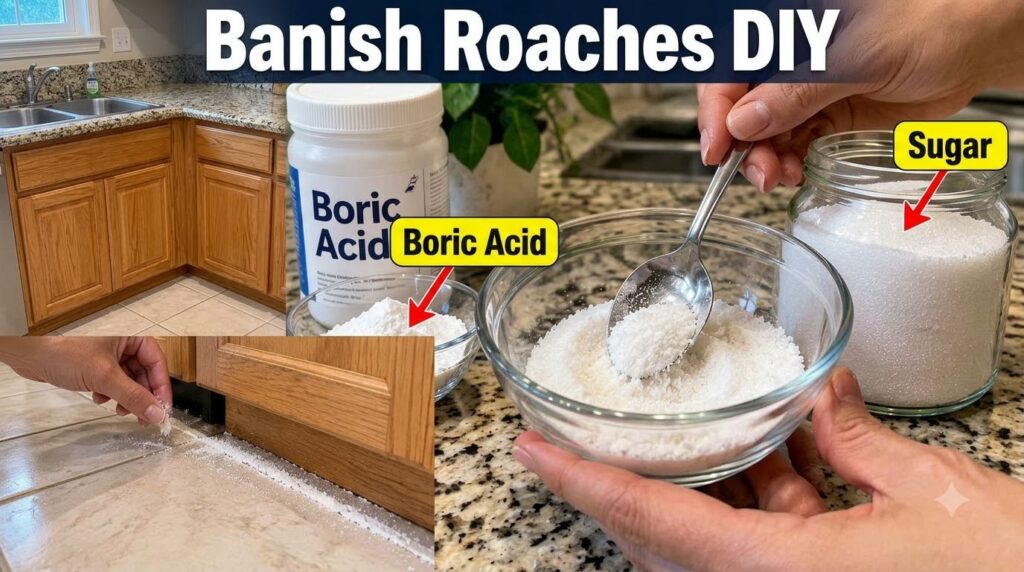
- 1 cup Boric acid powder (or Diatomaceous Earth, food-grade)
- Small shaker bottle or a spoon for application
- Rubber gloves
- Dust mask (optional, but recommended for fine powders)
Why This DIY Can Be Useful
Boric acid is a natural insecticide that acts as a stomach poison for cockroaches when ingested and can also affect their exoskeleton, leading to dehydration. When a cockroach walks through the powder, it picks up the particles on its legs and antennae. Later, when grooming itself, the cockroach ingests the boric acid, which then interferes with its digestive system and nervous system.
Diatomaceous earth (DE) works differently, physically dehydrating insects. It’s made from the fossilized remains of tiny aquatic organisms. Its microscopic sharp edges cut through the waxy outer layer of insects, causing them to dry out and die. Both are effective, but boric acid is generally considered more potent for roaches.
How to Make It
For this DIY, there isn’t a complex preparation involved. You’ll simply be using the powder in its raw form. However, ensure the powder is dry and free-flowing for even application. If using boric acid, make sure you’re using a product specifically labeled for pest control or general household use.
How to Use It
Strategic application is key to the success of this method.
- Identify Hotspots: Observe where you see cockroaches most frequently. Common areas include along baseboards, under sinks, behind toilets, in cracks and crevices, near appliance motors (refrigerators, dishwashers), and in pantry corners.
- Prepare the Area: Clean the areas thoroughly before application. Remove any food crumbs, grease, or spills that might attract pests. This ensures the powder is the primary attractant or irritant.
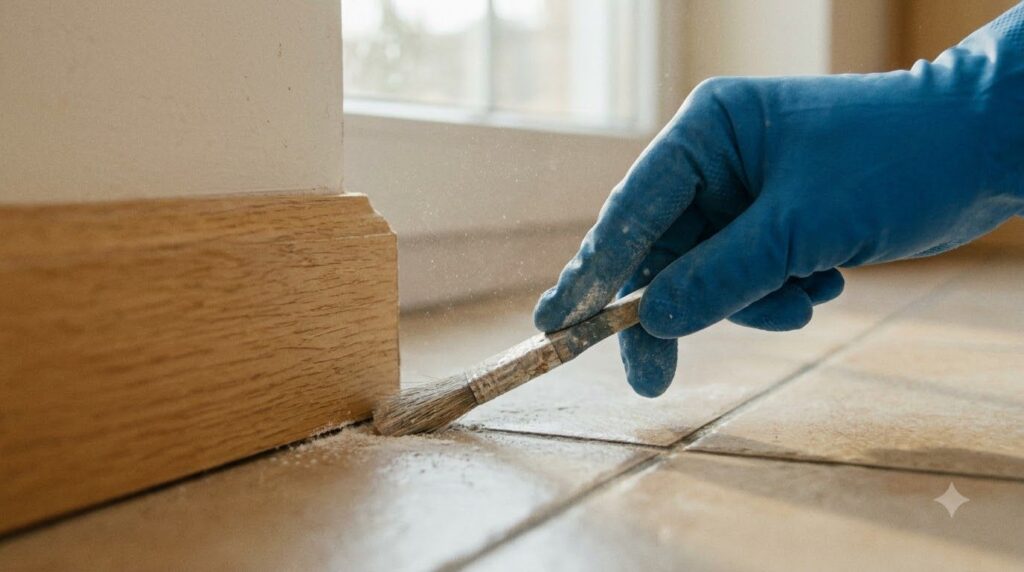
- Apply a Thin Layer: Wearing gloves, use your shaker bottle or spoon to apply a very fine, barely visible dust of the boric acid powder. You want a light coating that roaches will walk through, not thick piles they might avoid. Think of it like a thin layer of dust.
- Target Key Locations: Focus on corners, edges, and cracks where roaches hide and travel. Apply a thin line along baseboards, inside cabinets, behind appliances, and around pipe openings.
- Small Piles for Hidden Areas: For very hidden spots, like inside wall voids (if accessible) or under large appliances, you can create small, pea-sized piles of powder.
- Avoid Wet Areas: Boric acid becomes ineffective when wet, so avoid applying it in areas that get damp.
- Reapply as Needed: The powder remains effective as long as it’s dry and undisturbed. Reapply if it gets wet, swept away, or if you notice continued pest activity.
What to Expect
You won’t see instant results with this method, as it takes time for the cockroaches to ingest the powder. You should expect to see a reduction in cockroach activity over several days to a week. Dead cockroaches may appear in treated areas, indicating the method is working. Persistent use and reapplication are key to controlling an infestation. This method is effective for ongoing control and can significantly reduce the cockroach population, but it may not eliminate every single pest immediately, especially with severe infestations.
Helpful Tips
- Patience is Key: This is not an instant kill method. Allow several days for the powder to take effect.
- Combine with Sanitation: The effectiveness of any pest control method is greatly enhanced by excellent sanitation. Keep your kitchen clean, store food in airtight containers, and promptly clean up spills.
- Seal Entry Points: Seal cracks and crevices in walls, around pipes, and under doors to prevent new cockroaches from entering your home.
- Use a Bulb Duster: For very precise application into small cracks and crevices, a small bulb duster can be an invaluable tool.
- Monitor Activity: Continue to monitor for signs of cockroaches even after you see a reduction. This will help you know if reapplication or further measures are needed.
Important Notes / Safety
- Keep Away from Children and Pets: Boric acid is toxic if ingested. Apply it in areas inaccessible to children and pets. If you have pets, consider using Diatomaceous Earth (food-grade), which is generally safer around them but still requires careful application to avoid inhalation.
- Avoid Food Preparation Surfaces: Never apply boric acid or diatomaceous earth directly on countertops or surfaces where food is prepared.
- Wear Protection: Always wear rubber gloves when handling powders. While food-grade diatomaceous earth is less toxic, fine powders can irritate lungs, so a dust mask is advisable, especially when applying in enclosed spaces.
- Ventilation: Ensure good ventilation when applying powders to minimize inhalation.
- Cleanup: If you need to clean up the powder, use a damp cloth and dispose of the residue safely. Wash hands thoroughly after handling.
- Consult a Professional: For severe or persistent infestations, it’s always best to consult with a professional pest control service.