Curious about your fiber intake? Understanding the fiber content in the fruits and vegetables you eat daily is a simple yet powerful way to boost your overall health. Dietary fiber, often overlooked, plays a crucial role in digestion, satiety, and maintaining a healthy gut microbiome. But with so many options, how do you know which choices are truly fiber powerhouses and which are lighter options?
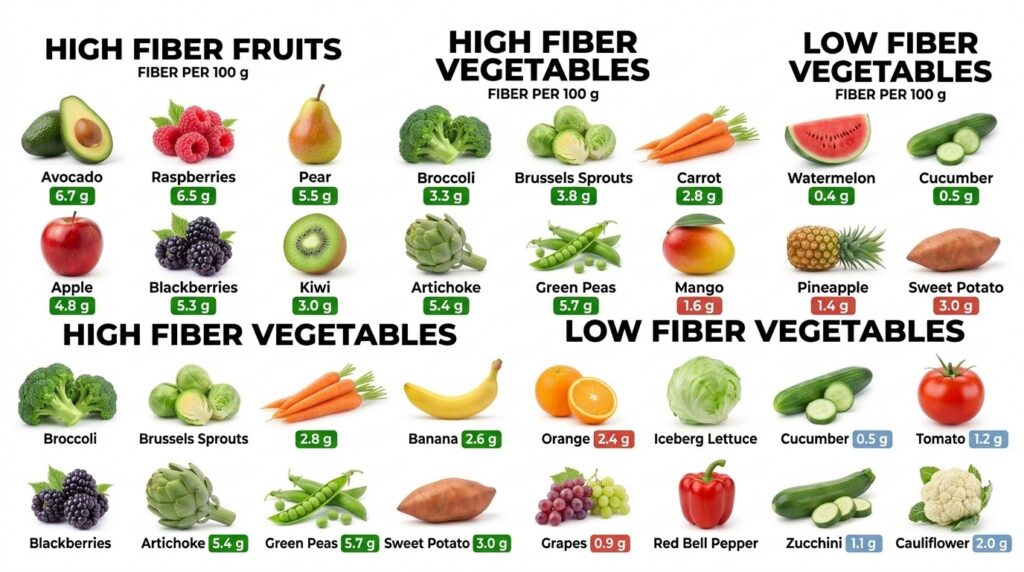
This insightful guide breaks down the fiber content of common fruits and vegetables, helping you make informed choices for a healthier diet. We’ll explore various categories, highlighting the ‘fiber per 100g’ principle so you can easily identify options that align with your dietary goals.
Get ready to uncover the differences and discover how to incorporate more fiber into your meals, making every bite count towards a healthier you!
Understanding Dietary Fiber: Why It Matters for Your Health
Dietary fiber is a type of carbohydrate that your body cannot digest. Instead, it passes relatively intact through your stomach, small intestine, and colon, and out of your body. Despite its indigestibility, fiber is incredibly important for your health.
There are two main types of fiber: soluble and insoluble. Soluble fiber dissolves in water and can help lower blood glucose levels and cholesterol. Insoluble fiber does not dissolve in water and adds bulk to your stool, which can help prevent constipation and promote regular bowel movements. Both types are essential for a balanced and healthy digestive system.
High Fiber Fruits: Nature’s Gut-Friendly Powerhouses
When you’re looking to boost your fiber intake, certain fruits stand out as excellent choices. These ‘fiber powerhouses’ offer substantial amounts of fiber per 100 grams, making them incredibly beneficial for digestive health, satiety, and blood sugar management.
Fruits in this category often include various berries, as well as certain tree fruits known for their rich texture and skin, which contributes significantly to their fiber content. Incorporating these into your daily diet, whether in smoothies, snacks, or desserts, can be a delicious way to meet your fiber needs.
Low Fiber Fruits: Lighter Choices for Specific Needs
While a high-fiber diet is generally recommended, there are times when ‘lighter’ fruit options are preferable. For individuals with sensitive digestive systems, certain medical conditions, or those following a specific dietary protocol, low fiber fruits can be a gentle and hydrating choice. These fruits typically have a lower fiber content per 100 grams.
They are often characterized by their high water content and smooth texture. While they offer less fiber, they still provide essential vitamins, minerals, and antioxidants, making them valuable additions to any diet, especially when digestive comfort is a priority.
Low Fiber Vegetables: Versatile Choices for Digestive Comfort
Similar to low fiber fruits, some vegetables also offer a lower fiber content per 100 grams, providing versatile options for those who need to manage their fiber intake. These vegetables can be particularly helpful for individuals recovering from digestive issues or those on a temporary low-fiber diet.
Common low fiber vegetables are often those with a high water content and tend to be less fibrous in texture. They are incredibly versatile in cooking and can be enjoyed in various dishes, contributing vital nutrients without overwhelming the digestive system.
Navigating Your Daily Fiber Intake: Making Informed Choices
Understanding the fiber content of different fruits and vegetables allows you to customize your diet to your personal needs. For most healthy adults, aiming for 25-38 grams of fiber per day is recommended. By being aware of which options offer more fiber per 100g, you can consciously increase your intake.
- Focus on High Fiber Choices: Regularly include fruits and vegetables known for their high fiber content in your meals and snacks.
- Balance is Key: Don’t exclusively choose high-fiber options if your digestive system is sensitive. Mix and match to find what works best for you.
- Check ‘Fiber per 100g’: This metric is a great way to compare options and make efficient choices for boosting your fiber.
- Gradual Increase: If you’re new to a high-fiber diet, increase your intake gradually to allow your digestive system to adjust, and always drink plenty of water.
Beyond the Grams: Benefits of a Fiber-Rich Diet
Incorporating a variety of high and low fiber fruits and vegetables into your diet offers a multitude of health advantages:
- Improved Digestive Health: Fiber promotes regularity and helps prevent constipation, supporting a healthy gut.
- Weight Management: High-fiber foods tend to be more filling, which can help with satiety and portion control, potentially aiding in weight management.
- Blood Sugar Control: Soluble fiber, especially, can help slow the absorption of sugar, which may lead to better blood sugar control and reduce the risk of type 2 diabetes.
- Heart Health: Fiber can help lower cholesterol levels, reducing the risk of heart disease.
- Gut Microbiome Support: Fiber acts as a prebiotic, feeding the beneficial bacteria in your gut, which is crucial for overall wellness and immune function.
Fiber Facts: Frequently Asked Questions
Can I get too much fiber?
While fiber is beneficial, consuming excessive amounts too quickly, especially without adequate hydration, may lead to digestive discomforts like bloating, gas, or constipation. Gradually increasing your intake and drinking plenty of water can help prevent these issues.
Are all fruits and vegetables good sources of fiber?
While all fruits and vegetables contain some fiber, the amount varies significantly. Our guide helps illustrate which ones are naturally higher or lower in fiber per 100 grams, allowing you to make more informed choices.
Does cooking affect fiber content?
Cooking can soften fibers, making them easier to digest, but it typically does not destroy the fiber itself. Some cooking methods, like boiling, can leach out some soluble fiber, but most fiber remains intact.
Final Thoughts
Empowering yourself with knowledge about the fiber content in fruits and vegetables is a fantastic step towards a healthier lifestyle. By understanding the ‘fiber per 100g’ principle and differentiating between high and low fiber options, you can tailor your diet to support your digestive health, maintain satiety, and nourish your body effectively. Start making these informed choices today, and share your favorite high-fiber snack with us!
Medical Disclaimer
The information provided in this article is for general informational purposes only and does not constitute medical advice. It is not intended to be a substitute for professional medical advice, diagnosis, or treatment. Always seek the advice of your physician or other qualified health provider with any questions you may have regarding a medical condition or before making any changes to your diet or health regimen.