Is your wooden furniture looking a bit dull and lifeless? Over time, wood can lose its natural luster due to dust, grime, and everyday wear. Before you reach for expensive commercial polishes or consider sanding, why not try a simple, effective homemade solution?
This DIY wood polish uses three common household ingredients to help clean, nourish, and restore a beautiful shine to your finished wooden surfaces. It’s a budget-friendly and easy way to bring your furniture back to life, all without harsh chemicals or complicated steps.
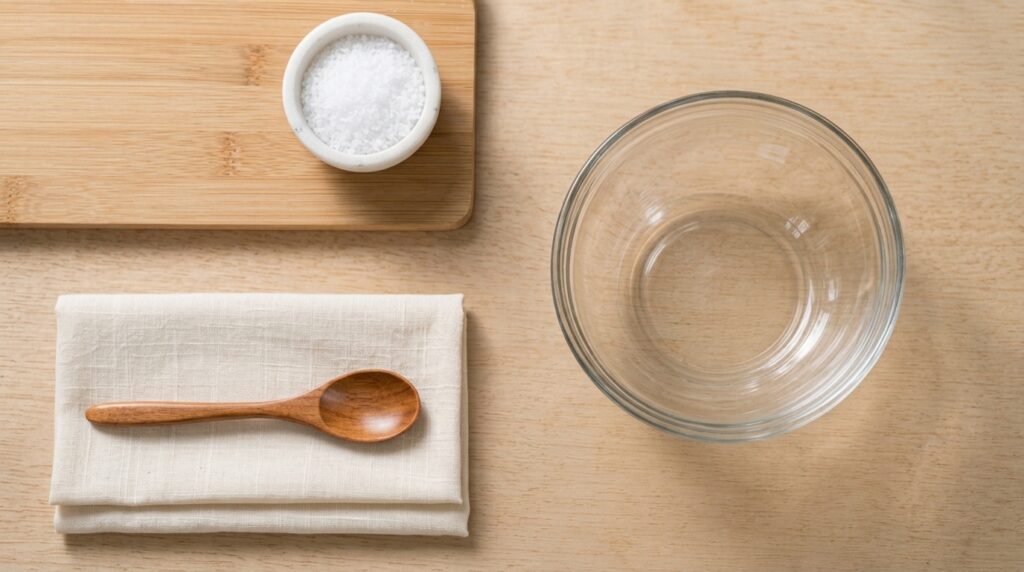
What You’ll Need
- 1/4 cup Olive Oil
- 1/4 cup White Vinegar
- 1/4 cup Lemon Juice
Tools
- Small measuring cup
- Clean spray bottle (8 oz or larger recommended)
- Soft, clean cloths (microfiber works great)
Why This DIY Can Be Useful
Each ingredient in this polish plays a practical role in revitalizing your wood. Olive oil is a natural moisturizer and protector for wood, helping to condition it and impart a lovely, subtle sheen. White vinegar acts as a gentle cleanser, cutting through dirt, grime, and light stains without damaging the finish. Lemon juice adds a fresh, clean scent and contributes to the cleaning action, helping to remove any sticky residues and leave the wood looking brighter.
How to Make It
- Measure out 1/4 cup of olive oil into your measuring cup.
- Add 1/4 cup of white vinegar to the olive oil.
- Pour in 1/4 cup of lemon juice with the other two ingredients.
- Carefully transfer the mixture into your clean spray bottle.
- Secure the lid tightly on the spray bottle.
How to Use It
This polish is best suited for finished wooden furniture like tables, chairs, dressers, and cabinets.
- Prepare the Surface: Before applying the polish, gently dust the wooden surface with a dry, soft cloth to remove any loose particles.
- Shake Well: Always shake the spray bottle thoroughly before each use to ensure the ingredients are well mixed. The oil and water-based ingredients will naturally separate over time.
- Apply Sparingly: Lightly mist a small section of the wooden surface with the polish. You don’t need to drench the wood.
- Wipe Immediately: Using a soft, clean cloth (like microfiber), wipe the polish into the wood, rubbing gently in the direction of the wood grain.
- Buff to Shine: Use a separate dry, clean cloth to buff the surface until it achieves a desirable shine and feels smooth to the touch. This step is crucial for preventing any oily residue.
- Repeat as Needed: Work in small sections until you have polished the entire piece of furniture.
What to Expect
You can expect your wooden furniture to look cleaner, feel smoother, and have a renewed, natural luster. The olive oil will help to condition the wood, and the vinegar and lemon juice will gently clean away accumulated dirt and dullness. While it won’t repair deep scratches or damage, it will significantly improve the overall appearance of dull wood.
Helpful Tips
- Test First: Always test this polish on an inconspicuous area of your furniture first to ensure it’s compatible with your wood’s finish and doesn’t cause any discoloration.
- Microfiber Advantage: Microfiber cloths are excellent for both applying and buffing this polish, as they are soft, absorbent, and leave no lint.
- Frequency: Use this polish as needed, typically every few weeks or months, depending on how often your furniture is used and how quickly it accumulates dust.
- Storage: Store the polish in its sealed spray bottle in a cool, dark place. Remember to shake it well before each use.
Important Notes / Safety
- Not for All Wood: This polish is generally safe for finished wood. Avoid using it on unfinished, unsealed, waxed, or antique wood without testing, as the vinegar and lemon juice could potentially affect delicate finishes.
- Ventilation: While natural, working with vinegar and lemon juice indoors is best done in a well-ventilated area.
- Rinsing: There is no need to rinse this polish off; simply buff until the surface is dry and shiny.