In the heart of every thriving garden lies a secret: the art of giving back to the earth. As gardeners, we continuously seek sustainable ways to enrich our soil and nurture our plants. What if we told you that a common snack byproduct, often discarded without a second thought, could be a game-changer for your garden beds? We’re talking about peanut shells!
Join us on a journey to explore how these humble shells can transform your garden into a more vibrant, healthier ecosystem, truly embracing nature’s cycle.
Why Peanut Shells Are a Gardener’s Friend
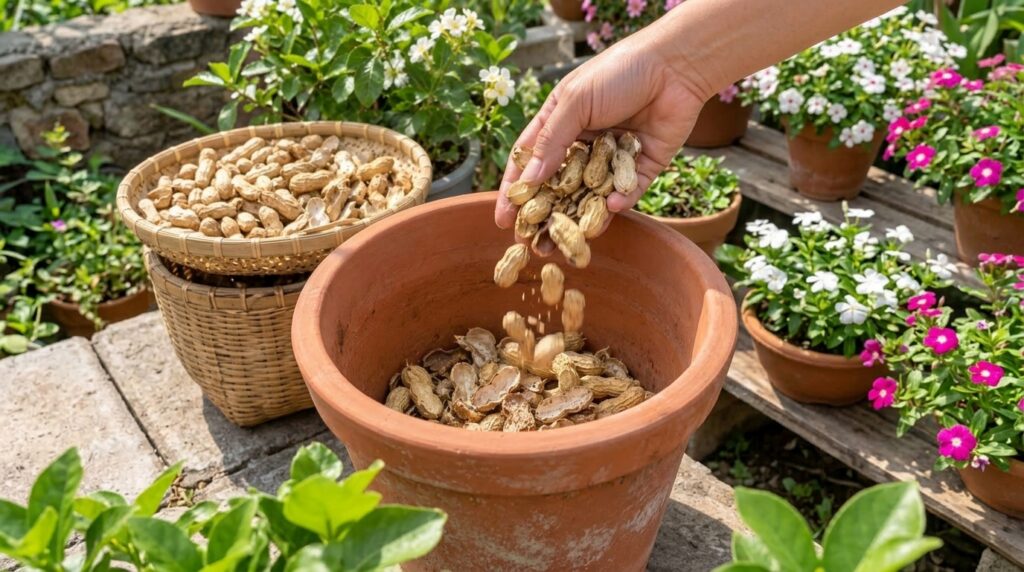
Peanut shells are more than just waste; they are a fantastic source of organic matter, offering numerous benefits that can significantly improve your soil and plant health:
- Soil Structure Improvement: Their sturdy yet porous nature helps to aerate heavy clay soils and improve water retention in sandy soils, creating a balanced environment for roots.
- Slow-Release Nutrients: As they break down, peanut shells release valuable nitrogen, phosphorus, and potassium, along with other micronutrients, feeding your plants gradually over time.
- Excellent Drainage: When mixed into soil, they prevent compaction and allow excess water to drain away, crucial for preventing root rot.
- Weed Suppression: Applied as a mulch, a layer of peanut shells can help suppress weeds by blocking sunlight.
- Moisture Retention: A mulch layer also helps to retain soil moisture, reducing the need for frequent watering.
- Eco-Friendly & Sustainable: Upcycling peanut shells reduces waste and lessens reliance on synthetic fertilizers, aligning perfectly with organic gardening principles.
How to Use Peanut Shells in Your Garden
Integrating peanut shells into your gardening routine is simple and effective. Here are a few ways to utilize them:
1. Add to Your Compost Pile
This is arguably the easiest and most effective way to use peanut shells. Add them to your compost bin along with other green and brown materials. They will slowly break down, contributing to a rich, nutrient-dense compost that your plants will love. For faster decomposition, you can crush them slightly before adding.
2. Mix into Garden Beds
Before planting, mix a layer of crushed or whole peanut shells directly into your garden soil. Aim for about 1-2 inches of shells mixed into the top 6-8 inches of soil. This is particularly beneficial for improving soil structure in new beds or rejuvenating existing ones.
3. Use as Mulch
Spread a 1-2 inch layer of peanut shells around the base of your plants as a natural mulch. This will help suppress weeds, regulate soil temperature, and conserve moisture. As they slowly decompose, they’ll also add nutrients to the soil beneath.
4. Boost Potting Mix
For container plants, mix about 10-20% peanut shells into your potting mix. This enhances drainage and aeration, preventing waterlogging and promoting healthier root growth in pots.
Important Considerations
While peanut shells are fantastic, keep these tips in mind for best results:
- Unsalted is Best: Always ensure the peanut shells are from raw, unsalted peanuts. Excess salt can harm your plants and soil.
- Decomposition Time: Peanut shells decompose slowly, meaning their benefits are long-lasting. Don’t expect instant results; consider it a long-term investment in your soil health.
- Source: If you’re getting shells from a large quantity, confirm they haven’t been treated with any chemicals or preservatives.
Embrace the Cycle
By transforming something that would otherwise be waste into a valuable resource, you’re not just enhancing your garden; you’re actively participating in nature’s beautiful cycle of renewal. So next time you enjoy some peanuts, remember that their shells hold incredible potential for your green space. Happy gardening!