There’s nothing quite as rewarding as watching your garden flourish, especially when it starts from tiny seedlings or young plants. However, the initial stages can be the most challenging. Young plants are delicate, prone to drying out, and require consistent care to establish strong roots and healthy growth. Many aspiring gardeners face the pain point of their plants wilting or not thriving despite their best efforts.
Today, we’re sharing a wonderfully simple yet highly effective technique to ensure your young plants get the steady hydration they need: the Water Bag Method. It’s an easy-to-implement trick that makes nurturing your little green friends a breeze, helping them transition smoothly into robust, mature plants. Let’s dive in and learn how to give your garden’s newest residents the best possible start!
Why Young Plants Need Extra Care
Before we get to the ‘how-to,’ let’s understand ‘why.’ Young plants, whether they’re seedlings you’ve started indoors or small plants you’ve purchased from a nursery, have undeveloped root systems. This makes them highly susceptible to fluctuating moisture levels in the soil. Too little water, and they quickly wilt; too much, and their delicate roots can rot. Finding that perfect balance can feel like a constant battle.
Introducing the Simple Water Bag Method
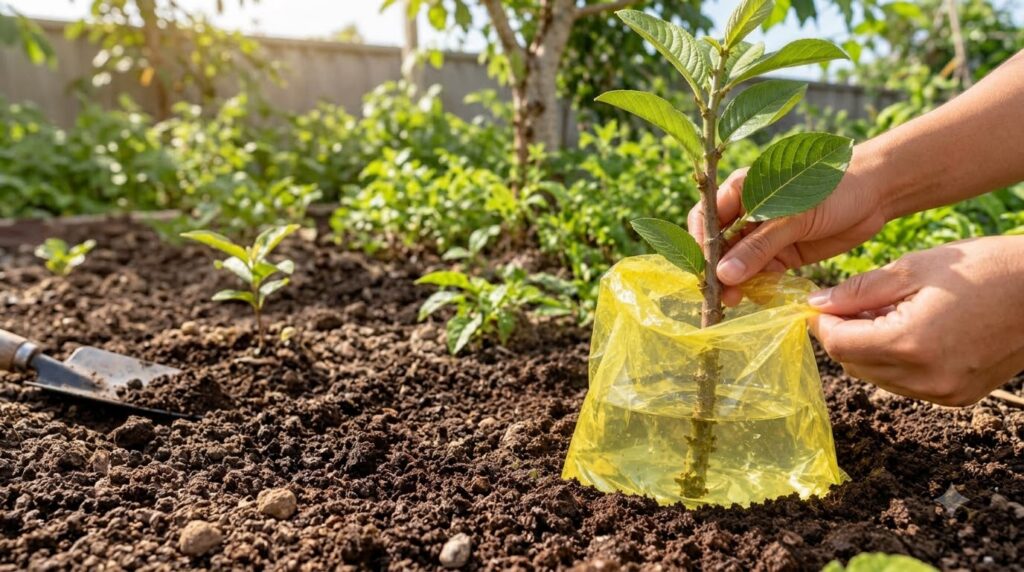
The Water Bag Method is a fantastic solution for providing a consistent, slow release of moisture directly to the root zone of your young plants. It’s essentially a DIY drip irrigation system that uses readily available materials. This method helps prevent the rapid evaporation of water from the soil surface and ensures that water is delivered precisely where the plant needs it most, encouraging deeper root growth and reducing watering frequency.
Benefits of This Sustainable Approach
- Consistent Hydration: Provides a steady supply of water, preventing the soil from drying out too quickly.
- Reduced Water Waste: Water goes directly to the roots, minimizing runoff and evaporation.
- Less Frequent Watering: Frees up your time, as you won’t need to water as often.
- Stronger Root Development: Encourages roots to grow deeper in search of water.
- Simple & Cost-Effective: Uses basic materials you likely already have.
- Eco-Friendly: A great way to conserve water and promote sustainable gardening practices.
Step-by-Step: Implementing the Water Bag Method
What You’ll Need:
- Small, translucent plastic bags (sandwich bags, produce bags, or small zip-top bags work well)
- Water
- A needle or small sharp tool (for piercing)
- Your young plant (recently planted seedling or new transplant)
Preparation:
- Fill the Bag: Fill your plastic bag with water. The amount will depend on the size of your plant and bag, but generally, 1/4 to 1/2 full is a good starting point. Don’t overfill, as it needs to sit securely.
- Puncture the Bag: Carefully make one or two tiny pinprick holes near the bottom corner of the bag with your needle. The goal is a very slow drip, not a stream. Test it over a sink to ensure the drip is slow and steady.
Application:
- Position the Bag: Gently place the water-filled, punctured bag at the base of your young plant. Ensure the holes are facing down towards the soil and are close to the plant’s stem, but not touching it directly to avoid stem rot.
- Secure (Optional): If the plant is in a container, you can lightly bury a small portion of the bag’s edge into the soil to keep it stable. In a garden bed, you might use a small stone to hold it in place if it’s windy.
Monitoring:
- Observe the Drip: Check periodically to ensure water is dripping slowly. If it’s too fast, you might need a smaller hole or a different bag. If it’s too slow or stops, you might need to make another tiny hole or adjust the bag’s position.
- Refill as Needed: Once the bag is empty, simply refill it and reposition. The frequency will depend on your climate, soil type, and plant needs, but it will generally be less often than traditional watering.
Pro Tips for Even Better Results
- Use Room Temperature Water: Cold water can shock delicate roots.
- Consider Plant Size: Adjust the bag size and number of holes according to the plant’s needs. Larger plants might benefit from a bigger bag or two smaller ones.
- Combine with Mulch: Adding a layer of organic mulch around the plant will further conserve soil moisture and regulate temperature.
- Check Soil Moisture: Even with the water bag, it’s good practice to occasionally check the soil moisture with your finger or a moisture meter to ensure the plant isn’t getting too much or too little water overall.
- Sun Exposure: Place the bag in a spot where it won’t heat up too much in direct sun, which could warm the water excessively.
Embrace a Greener, Easier Way to Grow
The Simple Water Bag Method is a testament to how small, mindful changes can make a huge difference in your gardening journey. It’s an excellent way to care for your fragile young plants, ensuring they have the best chance to thrive and eventually contribute to the vibrant beauty of your garden. By adopting sustainable practices like this, you’re not just growing plants; you’re nurturing life and fostering a deeper connection with nature.
Give this method a try and watch your seedlings transform into strong, healthy plants!