Are your hard floors looking a little dull, covered in smudges, or holding onto lingering odors? You don’t always need harsh chemicals to bring back their sparkle. This simple DIY cleaning hack uses a common household ingredient to tackle everyday grime, leaving your surfaces fresh and clean. It’s an affordable and surprisingly effective way to refresh your home, especially if you’re looking for gentler cleaning alternatives.
What You’ll Need
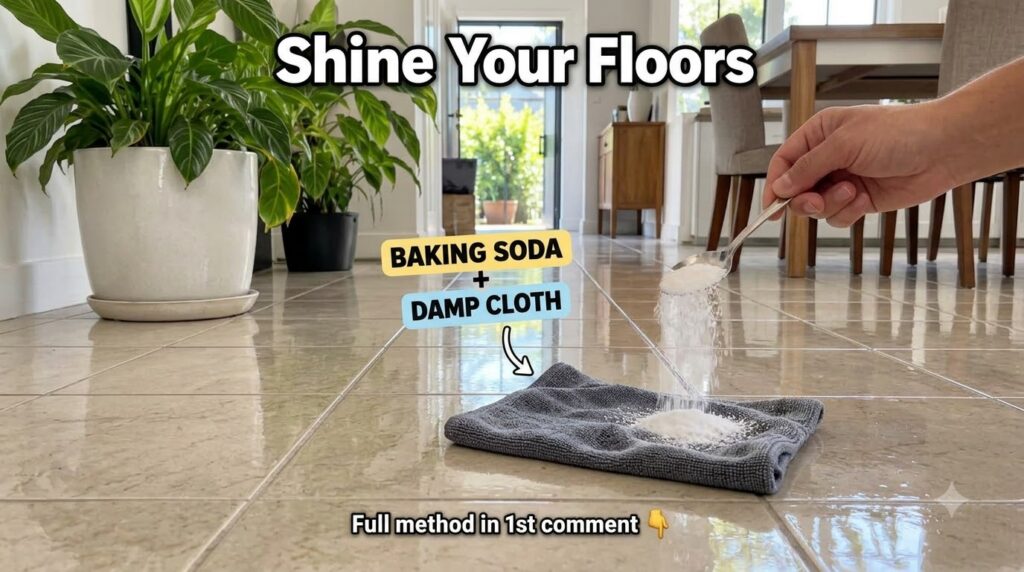
- Baking Soda: Approximately 1-2 tablespoons per cleaning session, or more as needed for larger areas.
- Microfiber Cloth: One clean, dry cloth for application.
- Metal Spoon: For dispensing the baking soda.
- Warm Water: (Optional, but recommended) A bucket or spray bottle of warm water.
- Second Microfiber Cloth: (Optional, but recommended) A clean, damp cloth for wiping, and a dry one for buffing.
Why This DIY Can Be Useful
This cleaning method harnesses the natural power of baking soda, a well-known multi-purpose household staple. Baking soda acts as a mild abrasive that helps gently scrub away dirt and grime without scratching most hard surfaces. It’s also an excellent natural deodorizer, absorbing unwanted smells and leaving your home feeling fresh. When combined with a microfiber cloth, which is designed to pick up dust and dirt effectively and buff surfaces to a shine, you get a powerful yet gentle cleaning duo.
How to Make It
This isn’t a complex recipe; it’s more about preparation!
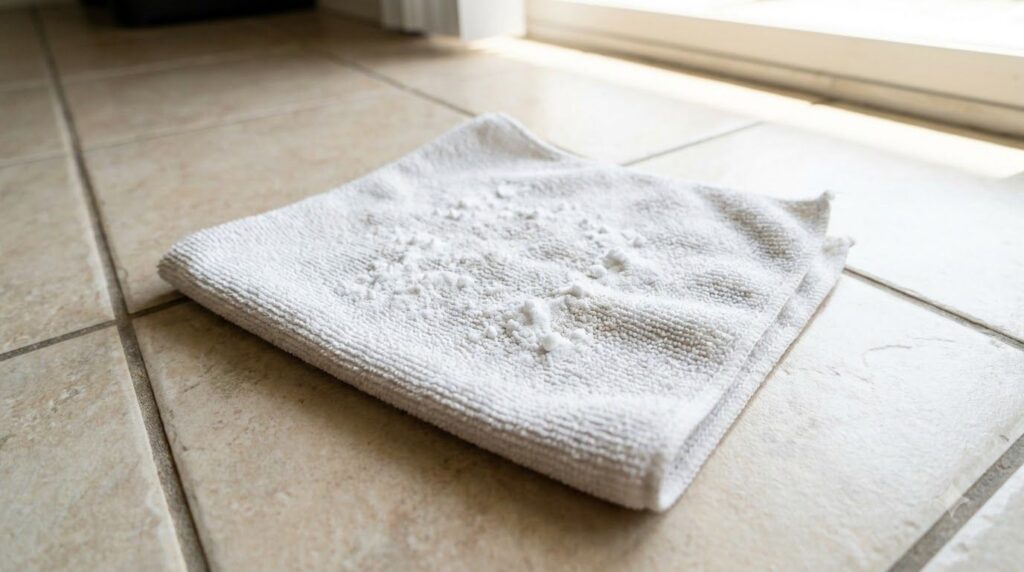
- Lay your clean, dry microfiber cloth flat or hold it open.
- Using the metal spoon, sprinkle about 1-2 tablespoons of baking soda evenly over a section of the cloth. You can add more later if you need it.
- (Optional) Lightly dampen a corner of your cloth with warm water. This can help activate the baking soda and improve its cleaning power for stubborn spots, but use sparingly to avoid oversaturating.
How to Use It
This method is great for hard, non-porous surfaces like tiled floors, linoleum, sealed stone countertops, and even stainless steel sinks.
- Prepare the Surface: For floors, it’s always a good idea to sweep or vacuum first to remove loose debris.
- Apply and Scrub: Take your microfiber cloth with the baking soda and begin to gently rub it over the surface you want to clean. Work in small sections, applying light to medium pressure. The baking soda will act as a gentle abrasive.
- For Stubborn Spots: If you encounter a particularly stubborn smudge or stain, you can concentrate a bit more baking soda on that area and let it sit for a few minutes before scrubbing. You can also slightly dampen the cloth with warm water to create a mild paste for extra cleaning power.
- Wipe Clean: Once you’ve scrubbed the area, take a separate clean, damp microfiber cloth and wipe away any baking soda residue and loosened dirt.
- Buff for Shine: Finally, use a clean, dry microfiber cloth to buff the surface. This step is key for achieving a streak-free, sparkling finish, especially on shiny tiles or sealed stone.
What to Expect
You can expect your surfaces to be noticeably cleaner, with light smudges and everyday grime removed. The baking soda also works to neutralize odors, leaving a fresh, neutral scent rather than a perfumed one. For shiny surfaces like polished tiles, you should see an improved gleam and fewer streaks after buffing. This method is excellent for maintenance cleaning and light-duty stain removal, but it may not be strong enough for deeply ingrained dirt or heavy-duty grout cleaning.
Helpful Tips
- Patch Test First: Always test this method in an inconspicuous area, especially on new or delicate surfaces, to ensure there are no adverse reactions.
- Use Warm Water: Warm water can help baking soda dissolve better and boost its cleaning efficacy. You can lightly spray the floor before applying the cloth, or dampen the cloth itself.
- Work in Sections: Cleaning in small, manageable sections helps ensure you don’t miss any spots and allows for thorough rinsing and buffing.
- Change Cloths: Keep a few microfiber cloths handy. One for applying the baking soda, one for wiping, and one for buffing will give you the best results.
Important Notes / Safety
- Surface Compatibility: While baking soda is generally mild, it’s not suitable for all surfaces. Avoid using it on unsealed porous surfaces like natural stone (marble, granite) unless specifically sealed, as it can potentially cause dulling over time. It’s also generally not recommended for unsealed hardwood floors.
- Rinse Thoroughly: Always wipe away all baking soda residue. Leaving it behind can lead to a white film once dry.
- Ventilation: Although baking soda is non-toxic, ensuring good ventilation during cleaning is always a good practice, especially if you’re prone to dust sensitivities.