Most people ignore the potent power in their spice rack beyond cooking. While bay leaves are a staple for enhancing flavors in stews and soups, many herbalists keep them for an entirely different reason: their remarkable ability to soothe inflamed gums and support overall oral well-being. If you’ve ever dealt with tender, swollen gums, you know how uncomfortable and disruptive it can be. Instead of reaching for harsh chemical rinses, there’s a simple, natural solution waiting to be brewed right in your kitchen.
One small preparation mistake can ruin the whole batch of this natural gum remedy, making it less effective or even unpleasant. This guide will walk you through the precise steps to harness the natural anti-inflammatory and antiseptic properties of bay leaves, helping you transform a common culinary herb into a powerful ally for your gum health.
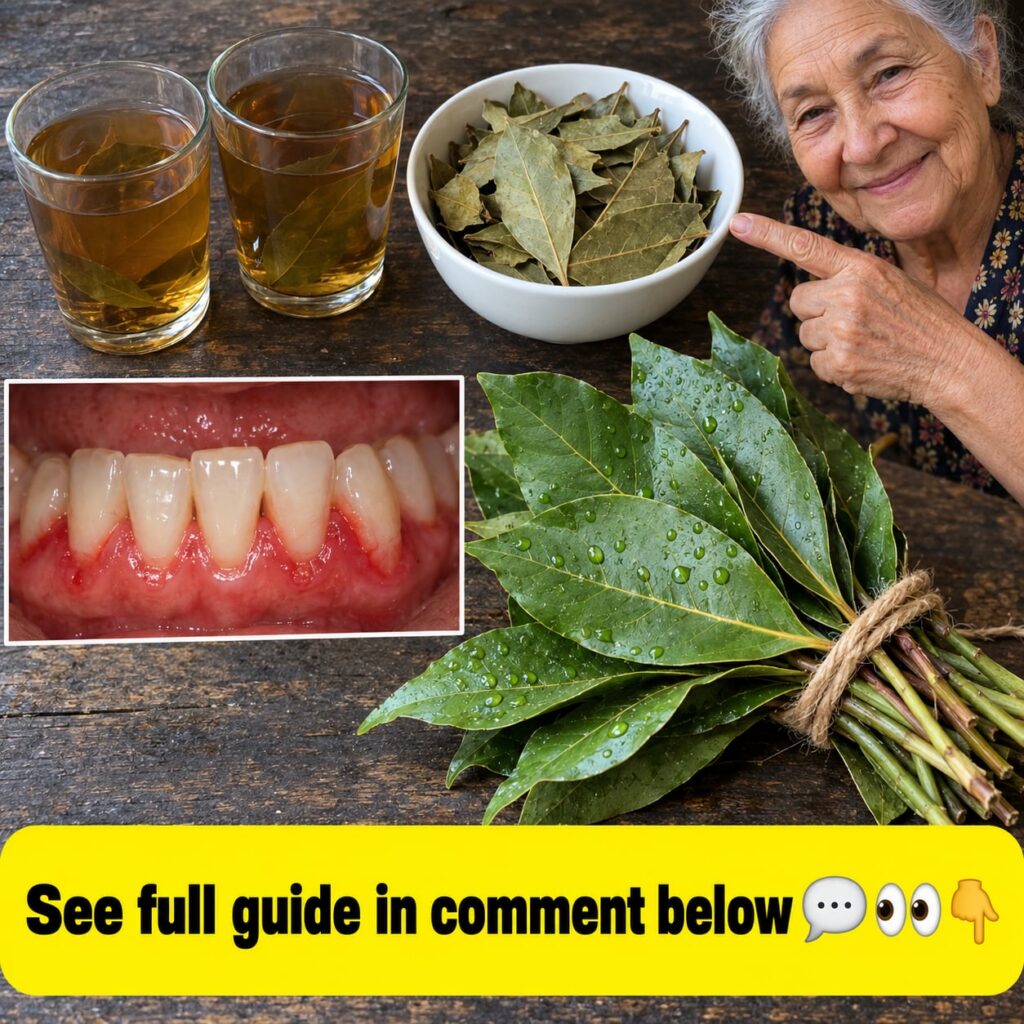
What It Is: The Bay Leaf Gum Remedy
The bay leaf gum remedy is essentially an herbal rinse made by steeping bay leaves (Laurus nobilis) in hot water. This creates an infusion rich in compounds like eugenol, cineole, and various tannins and flavonoids, which are known for their anti-inflammatory, antiseptic, and antimicrobial properties. These natural components can help reduce swelling, calm irritation, and combat bacteria that contribute to gum problems, offering a gentle yet effective way to maintain oral hygiene.
Ingredients You’ll Need
- Bay Leaves: 5-7 dried bay leaves or 8-10 fresh bay leaves.
- Water: 2 cups (approximately 470 ml) of filtered water.
- Optional (for enhanced effect): 1/2 teaspoon of sea salt or pink Himalayan salt.
Approximate Measurements for Your Rinse
Consistency is key for any natural remedy. For a potent yet safe gum rinse, these measurements have proven effective:
- Dried Bay Leaves: Using 5-7 leaves ensures a strong enough infusion without being overly concentrated.
- Fresh Bay Leaves: As fresh leaves contain more water, you’ll need slightly more – 8-10 leaves – to achieve a similar strength.
- Water Volume: 2 cups of water is ideal for steeping, providing enough liquid for several uses over a couple of days.
Formula / Recipe: Bay Leaf Gum Soothe Rinse
This simple formula focuses on extracting the beneficial compounds efficiently.
Step-by-Step Method
- Rinse Leaves: Lightly rinse your bay leaves under cool water to remove any dust or debris. If using fresh leaves, ensure they are clean.
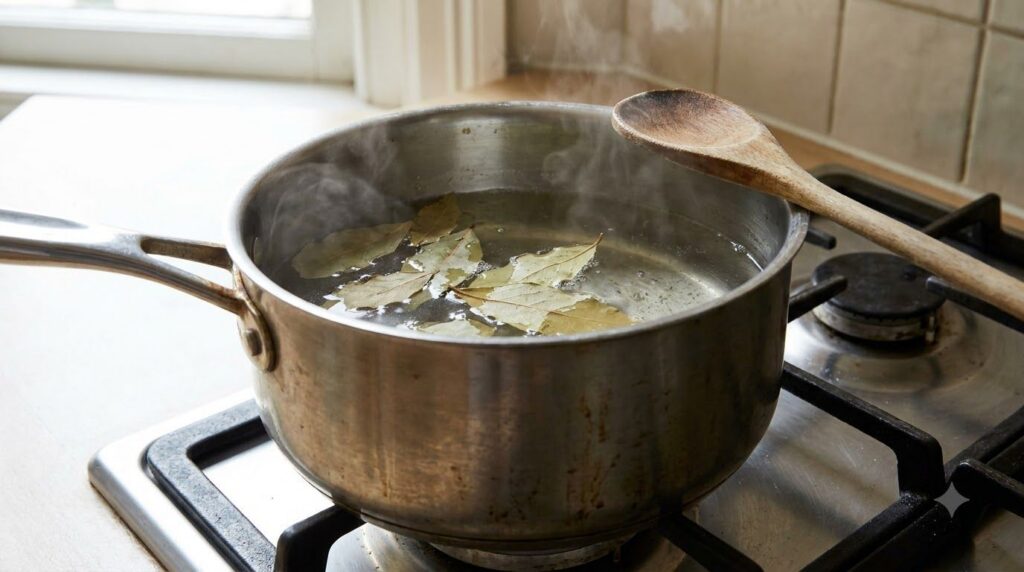
- Boil Water: Bring 2 cups of filtered water to a rolling boil in a small saucepan.
- Add Bay Leaves: Once the water is boiling, add the bay leaves to the pot. If using salt, add it now.
- Simmer Gently: Reduce the heat to low and let the mixture simmer gently for 10-15 minutes. This allows the beneficial compounds to infuse into the water without evaporating too quickly.
- Cool and Steep: Remove the pot from the heat. Cover it and let the mixture cool down to room temperature. This crucial steeping period, as it cools, allows for further extraction of active ingredients.
- Strain: Once cool, strain the liquid through a fine-mesh sieve or cheesecloth into a clean, airtight container. Discard the used bay leaves.
How to Use Your Bay Leaf Rinse
Using this rinse is straightforward and integrates easily into your oral hygiene routine:
- Brush and floss your teeth as usual.
- Take a mouthful (about 1-2 tablespoons) of the cooled bay leaf rinse.
- Swish the rinse vigorously around your mouth for 1-2 minutes, paying special attention to areas with inflamed gums.
- Spit out the rinse. Do not swallow it.
- Avoid eating or drinking for at least 30 minutes after using the rinse to allow the compounds to continue working on your gums.
How Often to Use
For best results, use the bay leaf gum rinse 1-2 times daily, ideally after brushing, especially in the morning and before bed. Consistent use over a period can help reduce gum inflammation and maintain oral freshness.
Quick Tip: Best Time to Use It
The most effective times to use the rinse are after your morning and evening brushing sessions. This ensures your mouth is already clean, allowing the bay leaf compounds to act directly on your gum tissue.
How to Buy / How to Choose Ingredients
The quality of your bay leaves directly impacts the effectiveness of your remedy. Opt for:
- Organic: Choose organic bay leaves whenever possible to avoid pesticides and chemicals.
- Freshness: Whether dried or fresh, ensure the leaves are vibrant, intact, and free from discoloration or mold.
- Source: Purchase from reputable spice stores or health food shops.
Fresh vs. Dried Bay Leaves for Oral Rinses
| Feature | Fresh Bay Leaves | Dried Bay Leaves |
|---|---|---|
| Potency | Often more aromatic, may have slightly higher volatile oil content. | Concentrated flavor/compounds, but some volatile oils may dissipate over time. |
| Quantity | Need more leaves (8-10) due to higher water content. | Fewer leaves (5-7) due to concentrated nature. |
| Availability | Less common, usually found in specialty stores or home gardens. | Widely available in most grocery stores. |
| Storage | Refrigerate for up to 1-2 weeks. | Store in airtight container in a cool, dark place for 6-12 months. |
| Ideal Use | Excellent if accessible for maximum freshness. | Convenient and effective for regular use. |
Storage
Proper storage is essential to maintain the potency and safety of your bay leaf rinse:
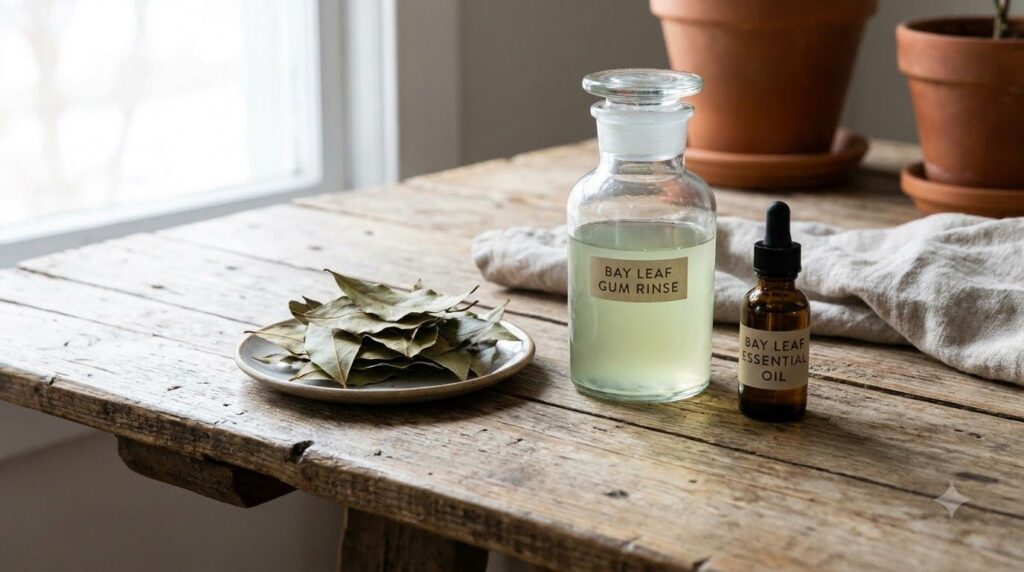
- Container: Store the strained rinse in a clean, airtight glass bottle or jar.
- Refrigeration: Keep it in the refrigerator.
- Shelf Life: The rinse will stay fresh for up to 3-4 days. Discard any remaining liquid after this period and prepare a fresh batch.
Practical Tips for Best Results
- Consistency is Key: Regular use yields the best anti-inflammatory and antiseptic benefits.
- Warm, Not Hot: Ensure the rinse is cooled to room temperature before use to avoid scalding your mouth.
- Integrate with Oral Hygiene: Use it as an adjunct to, not a replacement for, daily brushing and flossing.
- Listen to Your Body: If you experience any discomfort or adverse reactions, discontinue use.
Here’s the part most people skip
Many people rush the steeping process after boiling. Allowing the mixture to cool and steep for a longer period (covered) is critical for maximizing the extraction of beneficial compounds. Don’t skip this patience step!
Common Mistakes to Avoid
- Boiling Too Vigorously or Too Long: This can cause volatile essential oils to evaporate, reducing the potency of your rinse. A gentle simmer is best.
- Not Straining Properly: Leftover leaf particles can irritate gums. Ensure a thorough strain.
- Using Non-Food Grade Leaves: Some bay laurel varieties are ornamental and not safe for consumption or oral use. Always verify your leaves are Laurus nobilis.
- Storing Improperly: Leaving the rinse at room temperature will cause it to spoil quickly. Always refrigerate.
- Swallowing the Rinse: While bay leaves are used in cooking, this concentrated rinse is not intended for ingestion.
Cautions / Who Should Avoid It
- Pregnant or Nursing Individuals: Consult a healthcare professional before using any herbal remedies.
- Individuals with Allergies: If you have known allergies to bay leaves or plants in the laurel family, avoid this remedy.
- Underlying Medical Conditions: If you have severe gum disease, persistent oral pain, or any underlying medical conditions, always consult your dentist or doctor before trying home remedies. This rinse is not a substitute for professional dental care.
- Children: Not recommended for young children due to the risk of accidental ingestion.
Quick Summary: Your Bay Leaf Gum Care Guide
- Best Preparation: Gentle simmer for 10-15 minutes, followed by covered steeping until cool.
- Best Use-Case: Soothing inflamed, tender gums and maintaining daily oral freshness.
- Storage: Airtight container in the refrigerator for up to 3-4 days.
- When to Use: 1-2 times daily after brushing, especially morning and night.
- What to Avoid: Swallowing, boiling too hard, skipping proper straining, and ignoring professional dental advice for severe issues.
FAQ
- Can I use fresh or dried bay leaves? Both can be used! Use 5-7 dried leaves or 8-10 fresh leaves for the same potency.
- How long does the bay leaf rinse last? When stored in the refrigerator, it lasts up to 3-4 days.
- Can I refrigerate it? Yes, refrigeration is crucial to prevent spoilage and maintain freshness.
- How often should I use it? For best results, use it 1-2 times daily.
- What part of the bay leaf is best to use? The whole leaf, whether fresh or dried, is used for the infusion.
- Can I reuse the leaves? No, for optimal potency and hygiene, use fresh leaves for each batch.
- When should I avoid it? Avoid if pregnant, nursing, allergic to bay leaves, or if you have severe gum disease without consulting a dentist.
- Does it taste strong? The rinse will have a mild, slightly herbaceous and earthy taste. Adding a pinch of salt can make it more palatable for some.
Conclusion
Reclaiming your oral comfort doesn’t always require complex solutions. The humble bay leaf, often overlooked, offers a powerful yet gentle natural remedy for inflamed gums and general oral wellness. By following these practical steps, you can easily prepare an effective rinse that taps into centuries of herbal wisdom, bringing soothing relief and a refreshed feeling to your mouth. Incorporate this simple ritual into your daily routine and experience the unexpected benefits of this kitchen staple. Remember, consistency and proper preparation are your allies in harnessing the full potential of this natural remedy.
You may also like: The Unexpected Benefits of Clove Oil for Oral Health
Read more: DIY Aloe Vera Mouthwash for Fresher Breath