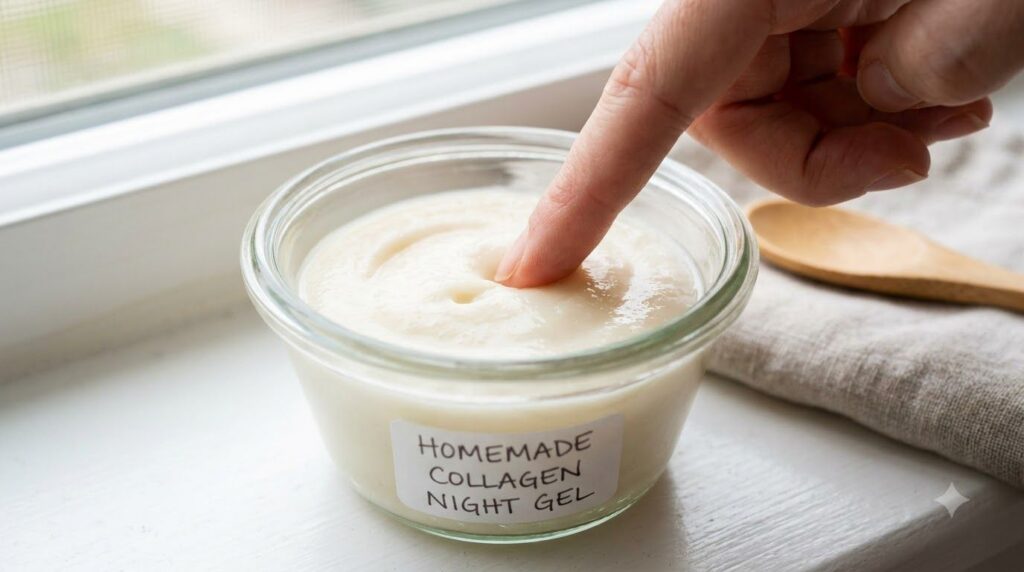
Many home beauty enthusiasts are exploring a simple DIY “collagen night gel” using readily available ingredients like Vaseline, baby oil, and baking soda to help achieve a luminous, glass-skin-like complexion. This easy-to-follow recipe provides a method for a homemade night treatment that can support smoother, more radiant-looking skin.
Quick Recipe
Prep time: 5 minutes
Best for: Supporting smoother, radiant-looking skin, enhancing skin hydration
Use type: Night treatment paste (to be rinsed off)
Main ingredients:
- Petroleum Jelly (like Vaseline)
- Baby Oil
- Baking Soda
Ingredients
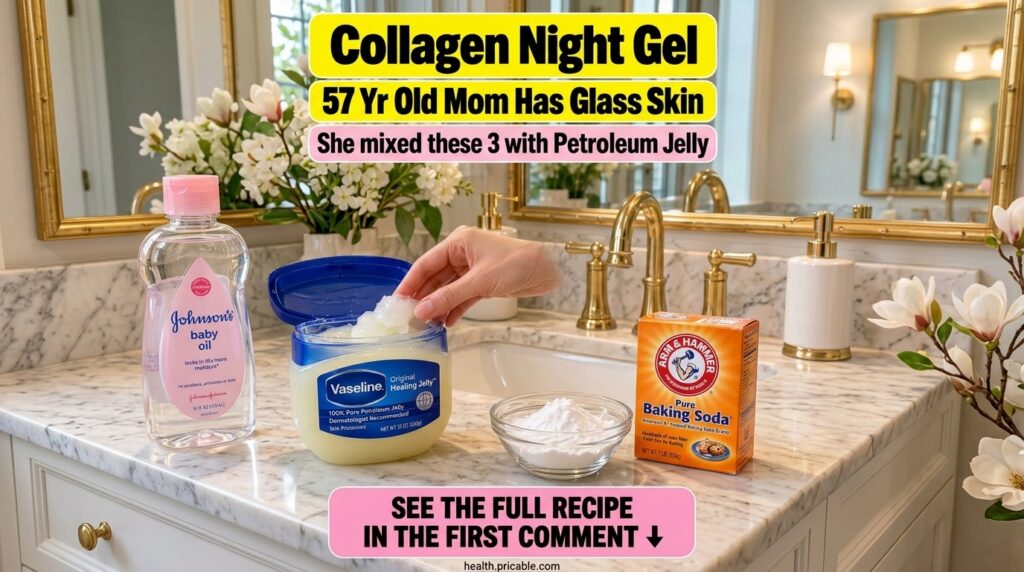
- 1 tablespoon of petroleum jelly (such as Vaseline Original Healing Jelly)
- 1 teaspoon of baby oil
- ½ teaspoon of baking soda
How to Make It
- Prepare Your Base: In a small, clean bowl, combine the petroleum jelly and baby oil.
- Mix Thoroughly: Stir the petroleum jelly and baby oil together until they are well combined and form a smooth, uniform base. This might take a minute or two of persistent mixing.
- Add Baking Soda: Gradually add the baking soda to the petroleum jelly and baby oil mixture. Stir continuously until the baking soda is evenly incorporated, creating a soft, paste-like consistency.
- Store: Transfer the mixture into a small, clean, airtight container. Store at room temperature away from direct sunlight.
How to Use It
- Cleanse Skin: Before applying, thoroughly cleanse your face and neck to remove any makeup, dirt, or impurities. Pat your skin dry with a clean towel.
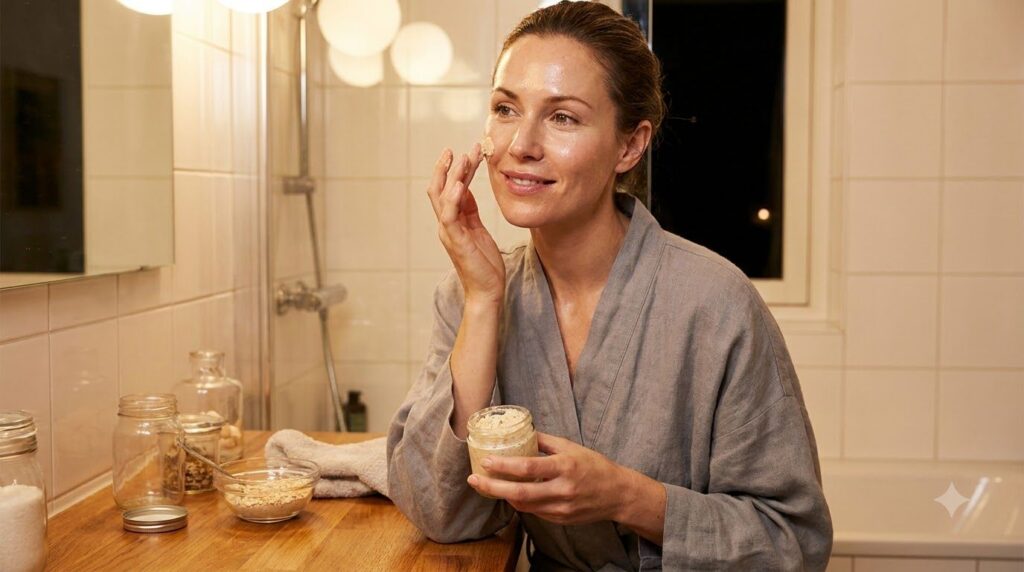
- Apply Gently: Take a small amount of the prepared “gel” (paste) with clean fingertips. Gently apply a thin, even layer over your face and neck, avoiding the delicate eye area.
- Short Duration Treatment: Due to the inclusion of baking soda, it is crucial not to leave this mixture on your skin overnight. Instead, let it sit for a very short period, ideally 5 to 10 minutes.
- Rinse Off: After the recommended short duration, gently rinse your face thoroughly with lukewarm water. Ensure all traces of the mixture are removed. Pat your skin dry and follow with your regular moisturizer if desired.
How Often to Use It
Given the nature of the ingredients, particularly baking soda, it is best to use this treatment sparingly. We recommend using it no more than once a week. Observe how your skin reacts and adjust frequency based on your skin’s tolerance. If any irritation occurs, discontinue use immediately.
Why These Ingredients Are Used
Petroleum Jelly (Vaseline)
Petroleum jelly is a well-known occlusive agent, meaning it creates a protective barrier on the skin’s surface. This barrier helps to lock in moisture, preventing water loss and supporting skin hydration. When skin is well-hydrated, it can appear plumper and smoother, contributing to a more youthful and “glass skin”-like appearance.
Baby Oil
Baby oil, typically mineral oil, is another excellent occlusive moisturizer. It helps to soften the skin and seal in moisture, leading to a smoother and more supple feel. Its lightweight texture allows for easier spreading and mixing, complementing the heavier petroleum jelly to create a more manageable paste.
Baking Soda
Baking soda has traditionally been used in some home remedies for its mild exfoliating properties. When used very gently and for a short duration, it can help in the temporary removal of surface dead skin cells, which may contribute to a brighter-looking complexion. However, its alkaline nature requires careful and limited use, especially on delicate facial skin.
What Results to Expect
Regular, gentle use of this night treatment may help your skin feel exceptionally soft and look more hydrated. The moisturizing benefits of petroleum jelly and baby oil can support a smoother, plumper-looking complexion, which contributes to the coveted “glass skin” effect and a more youthful glow. While this treatment does not contain actual collagen, the improved hydration and smoother appearance can often be associated with skin that feels more firm and supple. Remember that individual results can vary, and consistency paired with proper safety precautions is key.
Safety Notes
- Patch Test First: Always perform a patch test on a small, inconspicuous area of your skin (like behind your ear or on your forearm) at least 24 hours before applying it to your face. This helps check for any adverse reactions or sensitivities.
- Use Gently: Apply the paste with very gentle motions. Avoid scrubbing or harsh rubbing, especially due to the abrasive nature of baking soda.
- Avoid Irritated or Broken Skin: Never apply this treatment to skin that is irritated, broken, sunburned, or has any active skin conditions like acne breakouts or eczema.
- Short Duration is Key: Due to the alkalinity of baking soda, do not leave this treatment on for extended periods or overnight. Limiting application to 5-10 minutes is crucial to prevent potential irritation and disruption of your skin’s natural barrier.
- Stop If Discomfort Occurs: If you experience any redness, itching, burning, stinging, or discomfort, rinse off the product immediately and discontinue use.
- Eye Area Caution: Keep the mixture away from your eyes, as it can cause significant irritation.
- Consult a Professional: If you have sensitive skin, existing skin conditions, or are unsure about using these ingredients on your face, consult with a dermatologist or healthcare professional before trying this remedy.
FAQ
Can I leave this “Collagen Night Gel” on overnight?
No, it is strongly advised not to leave this particular “gel” on overnight, primarily due to the baking soda content. Baking soda is alkaline and can disrupt your skin’s pH balance if left on for too long, potentially leading to irritation or damage. It’s best used as a short-duration mask (5-10 minutes) and then rinsed off.
Is baking soda safe for my face?
While baking soda is a common household item, its use on the face, especially as a leave-on treatment, is controversial among skincare professionals. Its alkaline pH can strip the skin’s natural oils and impair the skin barrier. If you choose to use it, do so with extreme caution, very sparingly, and for a short duration, always performing a patch test first.
What does “glass skin” mean?
“Glass skin” refers to a K-beauty trend characterized by skin that appears extremely smooth, luminous, translucent, and poreless, almost like a pane of glass. It signifies intense hydration and a refined skin texture. While this DIY aims to support some of these qualities, true “glass skin” often involves a multi-step routine and genetics.
Final Thoughts
This homemade “Collagen Night Gel” offers an accessible way to explore a traditional beauty hack for a smoother, more radiant complexion. By carefully combining petroleum jelly, baby oil, and a touch of baking soda, you can create a simple night treatment designed to enhance skin hydration and support a luminous, glass-skin-like appearance. Always prioritize your skin’s safety by patch testing and following the usage guidelines closely. Embrace the journey to beautifully nourished skin with practical DIY solutions!