Uninvited guests in your kitchen can be incredibly frustrating. From scurrying cockroaches to persistent ants, finding effective ways to keep pests at bay is a top priority for many homeowners. While the appeal of natural, chemical-free solutions is strong, it’s crucial to understand the ingredients we use in homemade remedies to ensure they are both effective and, most importantly, safe for your home and family.
Today, we’re diving into a popular DIY pest deterrent approach that combines a variety of strong-scented ingredients. While some components are truly natural, others require significant caution due to their chemical nature. Let’s explore this method, its potential effectiveness, and critical safety considerations.
The Ingredients: A Mix of Natural and Chemical Power
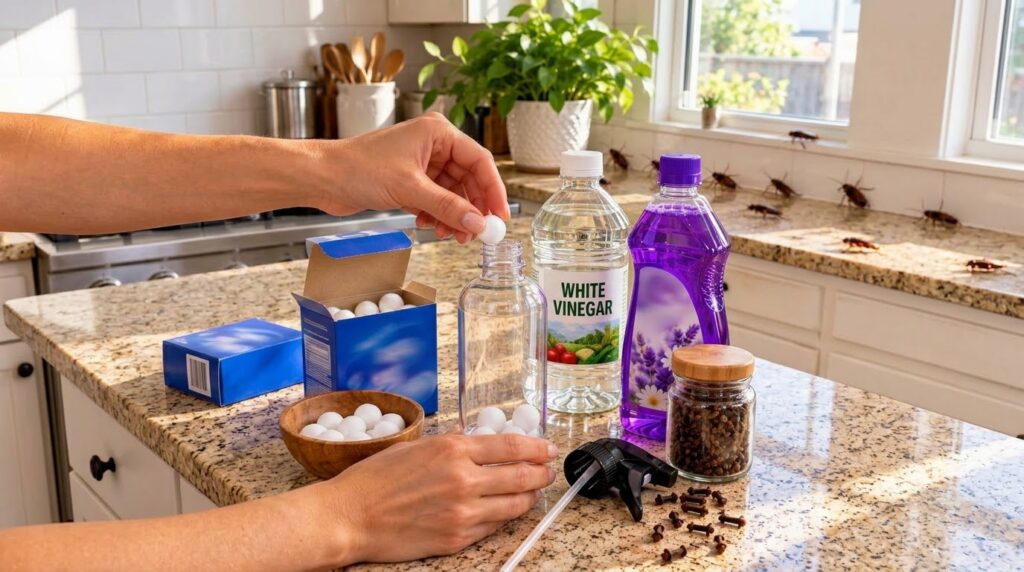
The deterrent we’re examining today typically combines four distinct components, each with its own properties:
1. Mothballs
- What they are: Mothballs are solid pesticides, usually containing naphthalene or paradichlorobenzene. These chemicals sublimate, releasing a strong vapor designed to kill or repel moths and other fabric pests.
- Contribution: Their incredibly potent and lingering odor is intended to deter various insects, including cockroaches.
- CRITICAL SAFETY WARNING: Mothballs are highly toxic to humans and pets. They should never be used in areas where food is prepared, stored, or consumed. Ingesting mothballs can cause serious illness or death, and prolonged inhalation of their fumes can be harmful. They are not a natural solution and are regulated pesticides meant for very specific, controlled uses (like sealed garment storage).
2. White Vinegar
- What it is: A natural, acidic liquid composed of acetic acid and water.
- Contribution: White vinegar is a well-known natural cleaner and deodorizer. Its pungent, acidic scent can deter some insects and pests, and it’s effective for sanitizing surfaces.
- Safety: Generally safe for household use, though prolonged skin contact can cause irritation.
3. Purple Floor Disinfectant
- What it is: A commercial cleaning product containing various synthetic chemicals designed to kill germs and clean surfaces, often with a strong, artificial fragrance.
- Contribution: The strong scent and germ-killing properties are likely intended to repel pests and sanitize the area.
- CRITICAL SAFETY WARNING: Like mothballs, floor disinfectants are chemical products. They are not meant for ingestion or widespread spraying, especially near food. Always follow manufacturer instructions and ensure adequate ventilation.
4. Cloves
- What they are: The dried flower buds from the clove tree, widely used as a spice.
- Contribution: Cloves contain eugenol, a natural compound with a strong, distinct aroma that many insects, including ants and some flying insects, find repulsive.
- Safety: Natural and generally safe. Clove oil is a common ingredient in some natural insect repellents.
The Homemade Deterrent: How It’s Assembled (and Where to Be Careful)
When creating such a potent deterrent, the idea is to combine the strong scents to create an environment hostile to pests. A common preparation involves:
- Gather Your Ingredients: White vinegar, purple floor disinfectant, mothballs, and whole cloves.
- Combine in a Spray Bottle: Typically, a few mothballs would be added to a spray bottle along with a mixture of white vinegar, a small amount of floor disinfectant, and a handful of cloves.
- Allow to Steep: The mixture is often left for several hours or overnight to allow the scents to meld and the mothballs to potentially dissolve slightly (though they primarily release vapor).
Application and Crucial Precautions:
While this mixture is designed to be a powerful deterrent, its application must be extremely cautious due to the toxic components:
- NEVER spray this mixture on food preparation surfaces, inside cupboards where food is stored, or on dishes and utensils.
- Avoid Direct Contact: Do not spray on skin, eyes, or clothing. Wear gloves and eye protection if handling.
- Ventilation is Key: Only use this mixture in well-ventilated areas. The fumes from mothballs and disinfectants can be overwhelming and dangerous in enclosed spaces.
- Targeted Use: If you choose to use such a mixture, it should be limited to very specific, out-of-reach areas where pests are observed and where human or pet contact is impossible. Examples might include behind heavy appliances (like refrigerators or stoves, ensuring no contact with electrical components), or in a garage or basement corner far from living spaces.
- Keep Away from Children and Pets: Ensure the mixture, its ingredients, and any treated areas are completely inaccessible to children and pets.
Safer, Genuinely Natural Alternatives for Kitchen Pests
Given the significant risks associated with mothballs and chemical disinfectants, especially in a kitchen environment, we strongly recommend focusing on truly natural and safe pest control methods for areas where food is present:
- Cleanliness is Key: Regularly clean up crumbs, spills, and food debris. Store food in airtight containers. Empty trash frequently.
- Seal Entry Points: Seal cracks and crevices in walls, floors, and around pipes to block pest entry.
- Essential Oils: Peppermint, tea tree, lemon, and eucalyptus essential oils can deter many pests. Mix a few drops with water and spray in non-food contact areas or on cotton balls placed in strategic spots.
- Diatomaceous Earth (Food Grade): A natural powder that is safe for humans and pets but lethal to many insects by dehydrating them. Sprinkle a thin layer in cracks or along baseboards (away from direct food contact).
- Bay Leaves: Placing bay leaves in pantries or food storage containers can deter weevils and other pantry pests.
- Cucumber Peels: Some believe cucumber peels repel cockroaches.
Final Thoughts on DIY Pest Control
While the idea of a powerful, homemade pest deterrent is appealing, it’s vital to prioritize safety above all else. Some traditional methods, while seemingly effective, involve ingredients that pose serious health risks when used improperly or in inappropriate areas, particularly in the kitchen. Always research your ingredients thoroughly, understand their potential dangers, and opt for genuinely natural and safe alternatives whenever possible for a truly eco-friendly and healthy home.
What are your favorite safe and natural cleaning solutions or pest control tips? Share them in the comments below!