Most people walk past this common plant, often dismissing it as just another weed. But what if we told you that this humble green, frequently found thriving in cracks and corners, holds a surprising array of practical uses and benefits? This isn’t just a garden intruder; it’s a versatile ingredient that many herbalists and home remedy enthusiasts keep close at hand.
One small preparation mistake, however, can diminish its efficacy or spoil your batch. Understanding how to properly identify, harvest, and prepare this resilient plant is key to unlocking its full potential. Let’s delve into the hidden value of purslane and how you can integrate it into your daily routine.

What is Purslane?
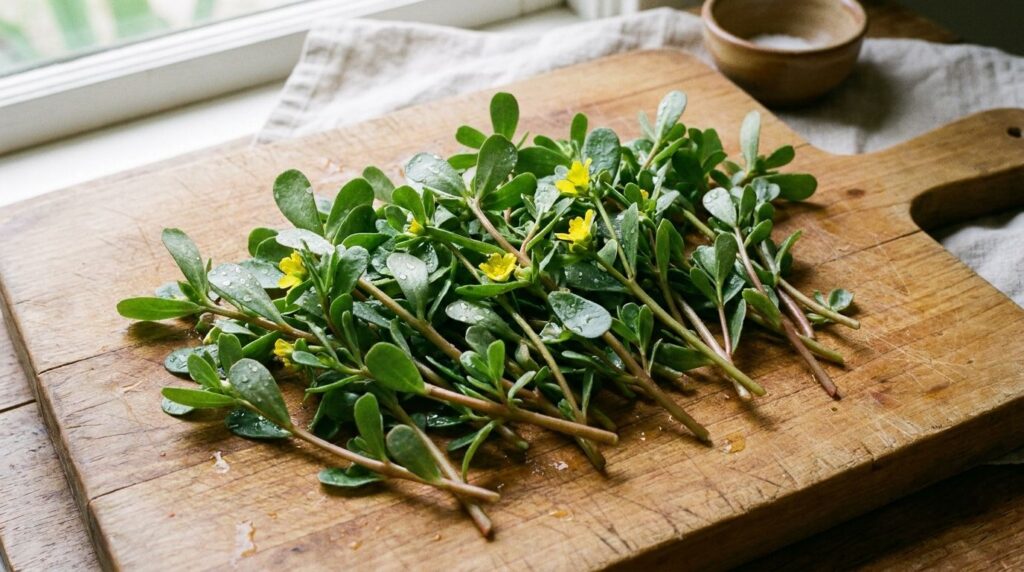
Purslane (Portulaca oleracea) is an annual succulent plant that can be found in many parts of the world. Characterized by its paddle-shaped, fleshy leaves and reddish stems, it often grows low to the ground, spreading out in a mat-like fashion. While often seen as a garden weed, it’s actually edible and has been consumed for centuries in various cultures, valued for its unique nutrient profile.
Ingredients for Purslane Remedies
The primary ingredient for any purslane remedy is, of course, fresh purslane. When sourcing, ensure it’s from an area free of pesticides, herbicides, and other pollutants. Wild-harvested purslane is excellent, provided you can positively identify it and confirm the growing conditions are clean. You’ll also need basic kitchen items depending on your chosen preparation.
Approximate Measurements & Formulas
Here are a few common ways to use purslane, with simple formulas:
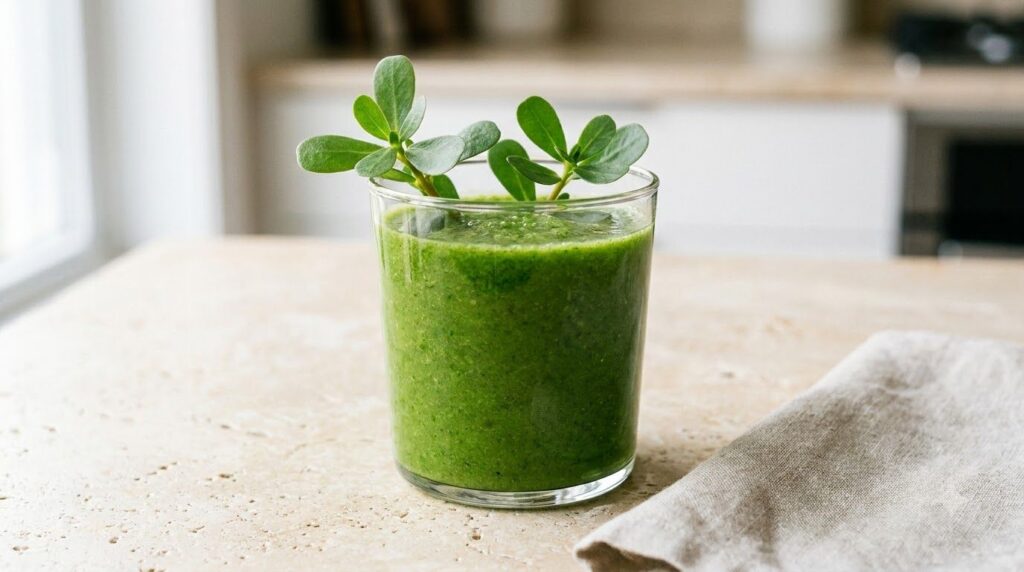
1. Purslane Juice (Nutrient Boost)
- Ingredients: 1 cup fresh purslane (leaves and tender stems), 1/2 cup water (or less, for a thicker juice).
- Method: Wash purslane thoroughly. Blend purslane with water until smooth. Strain through a fine-mesh sieve or cheesecloth to separate the juice from the pulp.
2. Simple Purslane Salad (Culinary Use)
- Ingredients: 2 cups fresh purslane, 1 tablespoon olive oil, 1 tablespoon lemon juice, salt and pepper to taste.
- Method: Wash and chop purslane. Toss with olive oil, lemon juice, salt, and pepper. Serve immediately.
3. Purslane Compress (Topical Application)
- Ingredients: 1/2 cup fresh purslane (leaves and tender stems), a small amount of water (optional).
- Method: Wash purslane. Mash or lightly blend the purslane into a paste. Apply directly to the skin.
Step-by-Step Method (for Purslane Juice)
- Harvest/Acquire: Gently pluck or cut fresh purslane from a clean source. Aim for vibrant, crisp leaves and tender stems.
- Wash Thoroughly: Rinse the purslane under cold running water. You can also soak it for 5-10 minutes to remove any soil or tiny insects, then rinse again.
- Prepare: If making juice, roughly chop the purslane to help with blending.
- Blend: Place chopped purslane in a blender with your chosen amount of water.
- Process: Blend until a smooth consistency is achieved.
- Strain (Optional for juice): For a smoother juice, strain the mixture through a fine-mesh sieve, pressing down on the pulp to extract all liquid.
- Serve/Use: Consume the juice immediately, or apply the paste as a compress.
Quick Tip: Fresh vs. Dried Purslane
While purslane can be dried, its succulent nature means it loses much of its unique texture and some nutrients when dehydrated. For most culinary and topical applications, fresh purslane is highly preferred for its full spectrum of benefits and distinct taste. Drying is mainly for long-term storage or powdered applications, which are less common for this specific plant.
How to Use Purslane Remedies
- Internally (Juice/Salad): Drink purslane juice on an empty stomach in the morning or as part of a smoothie. Enjoy fresh purslane in salads, sandwiches, or stir-fries for a peppery, slightly tart flavor.
- Externally (Compress/Poultice): Apply the mashed purslane paste directly to affected skin areas, such as minor burns, insect bites, or irritations. Cover with a clean cloth or bandage if desired.
How Often to Use
For internal use, a small serving of fresh purslane (e.g., a cup of leaves in a salad or a small glass of juice) 2-3 times a week is generally suitable. For topical applications, a compress can be applied 1-2 times daily as needed.
How to Buy / How to Choose Ingredients
Finding fresh purslane in conventional grocery stores can be challenging, though it’s becoming more common in farmers’ markets or specialty produce stores. Look for vibrant green, plump leaves and firm, reddish stems. Avoid any purslane that looks wilted, yellowing, or has soft spots. Many people also forage for purslane in their own gardens or wild spaces, ensuring it hasn’t been treated with chemicals.
Storage
Fresh purslane can be stored in the refrigerator for up to a week. Wrap it loosely in a damp paper towel and place it in a plastic bag or an airtight container. Avoid washing it until just before use to prolong its freshness. Purslane juice is best consumed immediately, but can be refrigerated in an airtight container for up to 24 hours.
Did You Know?
Purslane is one of the richest plant sources of Omega-3 fatty acids, an essential nutrient usually associated with fish. It also contains significant amounts of vitamins A and C, as well as several beneficial minerals.
Practical Tips
- Taste Test: Purslane has a slightly tart, peppery, and succulent taste. Experiment by adding it to different dishes to find your favorite culinary uses.
- Identify Correctly: If foraging, always be 100% certain of your identification. Misidentification can be dangerous.
- Use Quickly: Like many fresh greens, purslane is best used within a few days of harvesting or purchasing for optimal freshness and nutrient content.
Common Mistakes
Using purslane effectively is straightforward, but a few common errors can reduce its benefits:
- Misidentification: The most critical mistake is confusing purslane with similar-looking, potentially toxic plants. Always verify identification if foraging.
- Using Sprayed Plants: Harvesting purslane from roadsides, industrial areas, or gardens treated with pesticides will introduce harmful chemicals into your remedy.
- Improper Washing: Not thoroughly washing purslane can leave dirt, tiny insects, or environmental residues on the leaves.
- Overcooking: If cooking purslane, a quick sauté or steam is best to retain its texture and nutrient content. Prolonged cooking can diminish its benefits.
Cautions / Who Should Avoid It
While generally safe for most people, purslane does contain oxalic acid, which can be a concern for individuals prone to kidney stones. Cooking can reduce oxalic acid content. Pregnant or breastfeeding women, and individuals with specific medical conditions, should consult a healthcare professional before making purslane a regular part of their diet or remedy regimen. Start with small amounts to assess tolerance.
Quick Summary
Purslane is a nutrient-rich, edible succulent often mistaken for a weed. Best used fresh, it can be juiced for a nutritional boost, added to salads for a culinary treat, or mashed into a compress for topical skin relief. Always source from clean environments and wash thoroughly. Store fresh purslane in the refrigerator, wrapped in a damp paper towel, and consume prepared remedies promptly. Avoid misidentification and excessive consumption if you are prone to kidney stones.
FAQ
- Can I use fresh or dried purslane? Fresh purslane is highly recommended for its texture, flavor, and maximum nutrient retention. Dried purslane loses much of its unique qualities.
- How long does fresh purslane last? When stored properly in the refrigerator, fresh purslane can last up to a week.
- Can I refrigerate purslane juice? Yes, but it’s best consumed immediately. If necessary, refrigerate in an airtight container for no more than 24 hours.
- How often should I use it? For culinary or juice use, 2-3 times a week is generally appropriate. Topical applications can be daily as needed.
- What part of the plant is best to use? The leaves and tender stems are the most commonly used parts for both internal and external applications.
- When should I avoid purslane? Individuals prone to kidney stones should consume purslane sparingly or avoid it due to its oxalic acid content. Consult a doctor if you have underlying health conditions.
- Does purslane have a strong taste? It has a unique, slightly tart, peppery, and succulent flavor that is generally mild and enjoyable in salads.
Conclusion
Don’t let this nutritional powerhouse pass you by! Purslane, often overlooked, offers an accessible and potent way to enhance your diet and support your well-being. By following these simple preparation and usage guidelines, you can harness the surprising value of this humble green.
Continue with: How to Safely Forage for Edible Plants
You may also like: DIY Herbal Compresses for Skin Soothing