Tired of uninvited guests making themselves at home? From creepy crawlies to those tiny annoyances, pests can be a major headache for any homeowner. While store-bought solutions often come with harsh chemicals and strong fumes, there are effective, homemade alternatives that can help you reclaim your space. This simple DIY repellent, combining common household items, offers a powerful way to deter pests and maintain a cleaner, more comfortable home environment.
Why This Homemade Repellent Works
This powerful blend targets pests with scents and properties they strongly dislike. Here’s a look at what each ingredient brings to your pest-fighting arsenal:
- White Vinegar: A natural wonder, white vinegar is known for its strong acetic acid content. Its pungent smell is often intolerable to many insects and small pests, making it an excellent natural deterrent. It’s also safe for most surfaces and leaves no harmful residue once dry.
- Cloves: The fragrant spice, cloves, contain eugenol, a natural compound that acts as a powerful insect repellent. Many pests, including ants, flies, and even mosquitoes, are repelled by its strong, aromatic scent.
- Mothballs: While not a ‘natural’ ingredient, mothballs contain naphthalene or paradichlorobenzene, potent chemicals specifically designed to repel and kill various insects, particularly moths. When used cautiously, their strong fumes can act as a significant deterrent for crawling insects.
- Purple Floor Disinfectant: Many disinfectants contain strong scents and mild chemical agents that can be unpleasant or even toxic to pests. Its inclusion adds another layer of repellent power, often masking appealing scents for insects.
By combining these ingredients, you create a multi-faceted defense that targets pests on several fronts, making your home less inviting.
What You’ll Need
Gather these simple items before you begin:
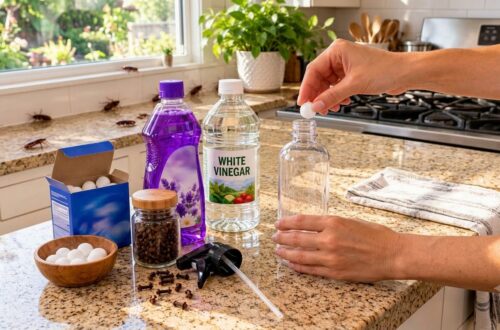
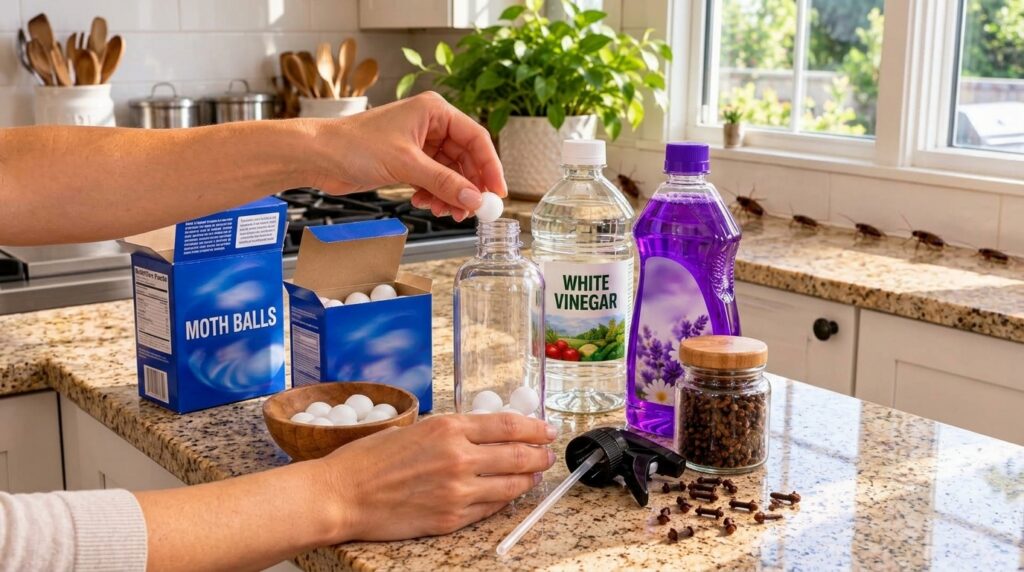
- 1 cup white vinegar
- 10-15 whole cloves
- 2-3 mothballs (use with extreme caution)
- 1/4 cup purple floor disinfectant (any brand)
- 1 clean spray bottle
- Measuring cups and spoons
- Gloves (recommended for handling mothballs and disinfectant)
Step-by-Step Guide to Your DIY Pest Repellent
Follow these easy steps to create your effective pest repellent:
- Prepare the Cloves: If using whole cloves, you can lightly crush them to release more of their essential oils. You can do this with a mortar and pestle or by placing them in a small bag and gently crushing them with a heavy object.
- Combine Liquids: Pour 1 cup of white vinegar and 1/4 cup of purple floor disinfectant into your clean spray bottle.
- Add Mothballs and Cloves: Carefully drop the crushed cloves and 2-3 mothballs into the spray bottle.
- Shake Well: Secure the spray bottle lid tightly and shake vigorously for about 30 seconds to mix all ingredients thoroughly. Allow the mixture to sit for a few hours, or even overnight, to let the cloves and mothballs infuse their properties into the liquid.
- Ready to Use: Your homemade pest repellent is now ready to be applied. Remember to shake it well before each use.
How and Where to Apply
Strategic application is key to maximum effectiveness:
- Kitchen Areas: Spray along baseboards, under sinks, behind appliances (refrigerator, stove), and inside cabinets (if they are empty and can be aired out thoroughly). Pay attention to any cracks or crevices where pests might enter or hide.
- Entry Points: Lightly spray around window frames, doorframes, and any visible cracks in walls or foundations.
- Dark, Damp Spaces: Areas like basements, laundry rooms, and utility closets are prime pest hiding spots. Spray along edges and in corners.
- Outdoor Perimeter: For an added layer of defense, you can lightly spray around the perimeter of your home, focusing on areas near entryways or foundations.
Reapply weekly or after cleaning the sprayed areas for continuous protection. Remember, a little goes a long way!
Important Safety Precautions
While this is a homemade solution, the inclusion of mothballs and disinfectant means it’s crucial to exercise caution:
- Ventilation: Always ensure good ventilation when spraying, especially indoors. Open windows and doors.
- Avoid Direct Contact: Wear gloves when preparing and applying the solution to avoid skin irritation. Wash hands thoroughly afterward.
- Keep Away from Children and Pets: Mothballs and disinfectants are toxic if ingested. Store the repellent bottle in a locked cabinet, out of reach of children and pets. Do not spray on surfaces that children or pets might lick or chew.
- Spot Test: Before spraying extensively, test the solution on an inconspicuous area of surfaces like painted walls or delicate flooring to ensure it doesn’t cause discoloration or damage.
- Not for Food Prep Surfaces: Avoid spraying directly on food preparation surfaces. If accidental contact occurs, clean thoroughly with soap and water.
- Disposal: Dispose of any leftover solution or used mothballs responsibly, following local hazardous waste guidelines.
When to Call the Pros
While this DIY repellent is highly effective for deterring common pests, it may not be sufficient for severe infestations. If you notice a persistent or overwhelming pest problem, it’s always best to consult a professional pest control service. They can assess the situation and provide targeted solutions to ensure your home is truly pest-free.
Keeping your home pest-free doesn’t have to mean resorting to expensive or harsh chemical treatments. With this simple, powerful homemade repellent, you can take control and enjoy a more comfortable living space. Give it a try and share your results!