Most gardeners consider it a stubborn weed, but this resilient plant hides a nutritional secret that many gourmet chefs and herbalists actively seek out. If you’ve ever dismissed it as just another green invader, you’re missing out on one of nature’s most potent, readily available superfoods: Purslane.
Known for its succulent leaves and vibrant stems, purslane (Portulaca oleracea) thrives in various climates, often appearing uninvited in gardens and cracks in pavements. But don’t let its humble origins fool you. This plant is a powerhouse of essential nutrients, offering a bounty of health benefits that can easily be incorporated into your daily diet.
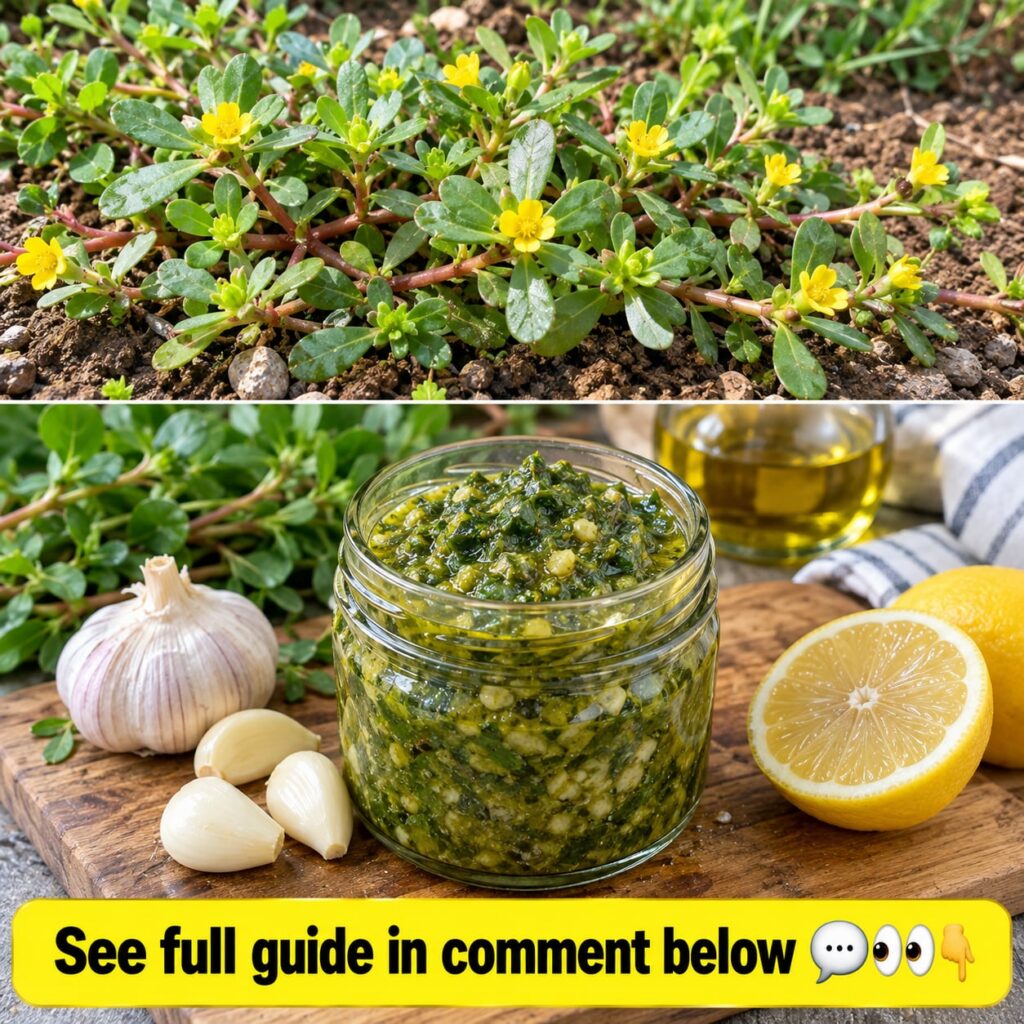
What is Purslane?
Purslane is an annual succulent plant that belongs to the Portulacaceae family. It features smooth, reddish stems and small, thick, fleshy green leaves. It grows low to the ground, spreading outwards, and produces tiny yellow flowers that open only during sunny mornings. Historically, it has been consumed for centuries across various cultures, from ancient Greece to India, valued for both its culinary and medicinal properties.
Ingredients for a Simple Purslane Salad
One of the easiest ways to enjoy purslane is raw, in a fresh salad. Here’s what you’ll need:
- 2 cups fresh purslane, rinsed and coarsely chopped
- 1/2 cup cherry tomatoes, halved
- 1/4 cup cucumber, diced
- 2 tablespoons red onion, thinly sliced (optional)
- 1 tablespoon extra virgin olive oil
- 1 tablespoon lemon juice
- Salt and black pepper to taste
Approximate Measurements
The quantities above are for a single serving. Feel free to scale up for more portions. The beauty of purslane is its versatility, allowing you to adjust other ingredients to your preference.
Formula / Recipe: Zesty Purslane Salad
This simple salad highlights purslane’s slightly tart and peppery flavor, making it a refreshing addition to any meal.
Step-by-Step Method
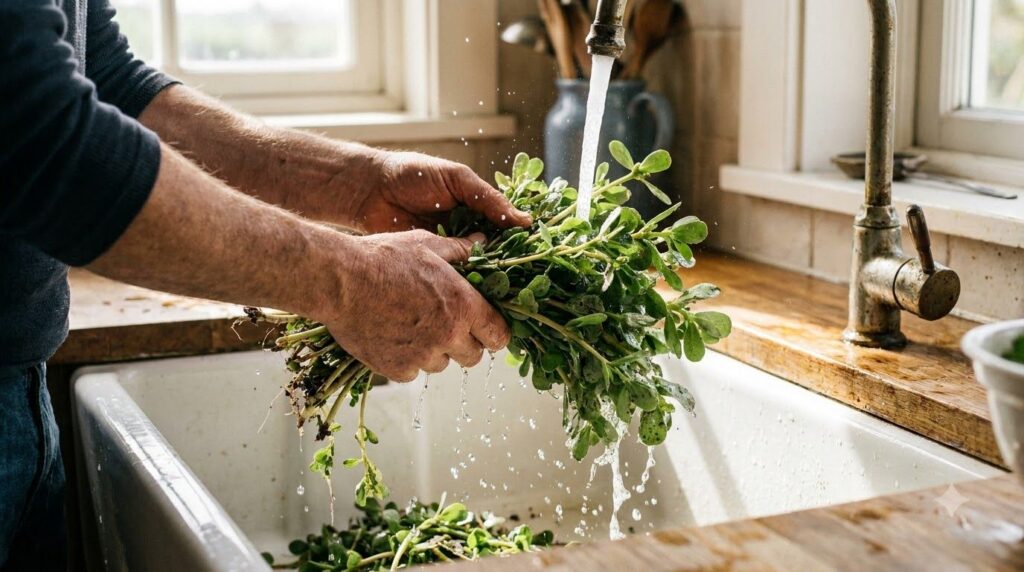
- Prepare the Purslane: Gently wash the fresh purslane under cool running water. Pat it dry with a clean cloth or use a salad spinner. Coarsely chop the stems and leaves.
- Chop Vegetables: Halve the cherry tomatoes, dice the cucumber, and thinly slice the red onion if using.
- Combine: In a medium bowl, combine the chopped purslane, cherry tomatoes, cucumber, and red onion.
- Make the Dressing: In a small bowl, whisk together the extra virgin olive oil, lemon juice, salt, and black pepper.
- Dress and Serve: Pour the dressing over the salad ingredients and toss gently to ensure everything is well coated. Serve immediately.
How to Use
Beyond salads, purslane can be incorporated into a variety of dishes. You can add it to sandwiches, wraps, stir-fries, soups, stews, or even blend it into smoothies for an extra nutritional boost. Its slightly mucilaginous texture also makes it a great thickener for soups.
How Often to Use
Purslane can be enjoyed daily as part of a balanced diet. Its high nutritional content makes it an excellent supplement to your regular intake of greens. Start with small portions if you’re new to it, and observe how your body reacts.
Quick Tip: Fresh vs. Cooked
While purslane is excellent raw, cooking it can slightly alter its nutritional profile and taste. Here’s a quick comparison:
| Feature | Raw Purslane | Cooked Purslane |
|---|---|---|
| Texture | Crisp, succulent | Softer, slightly slimy |
| Taste | Slightly tart, lemony, peppery | Milder, less tangy |
| Nutrients | Highest Omega-3s, Vitamin C | Some heat-sensitive nutrients reduced; oxalates reduced |
| Best Use | Salads, sandwiches, garnishes | Stir-fries, soups, stews, sautés |
How to Buy / How to Choose Ingredients
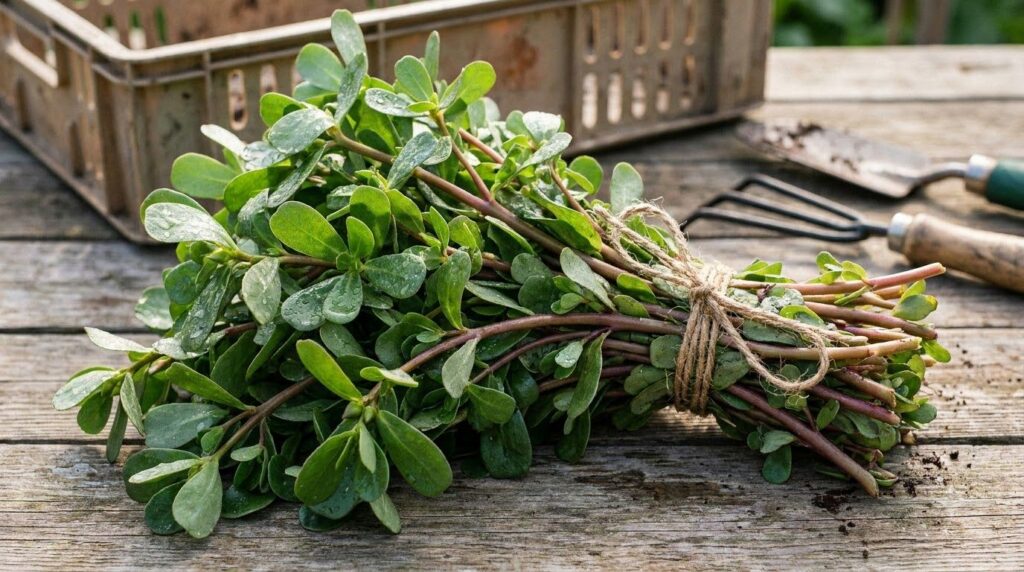
Purslane is not commonly found in all grocery stores, but you might find it at farmer’s markets, specialty stores, or Asian markets. When choosing purslane, look for vibrant green leaves and firm, reddish stems. Avoid any bunches with wilting, yellowing, or damaged leaves. The best way to get fresh, chemical-free purslane is often to harvest it yourself from your own garden or a known pesticide-free area. Be sure you can confidently identify it before consuming any wild plant.
Storage
To store fresh purslane, wrap it loosely in a damp paper towel and place it in a plastic bag or an airtight container in the refrigerator’s crisper drawer. It will typically stay fresh for about 3-5 days. Avoid washing it until just before use to prolong its shelf life.
Practical Tips
- Harvest Young Plants: Younger purslane plants tend to be more tender and less fibrous.
- Pair with Fats: Since some of its fat-soluble nutrients (like Omega-3s) are better absorbed with dietary fats, pair purslane with olive oil, avocado, or nuts.
- Juice It: For a concentrated dose of nutrients, blend purslane with other fruits and vegetables into a healthy juice.
Common Mistakes
One small preparation mistake can ruin the whole batch, or worse, lead to consuming the wrong plant. Here are common pitfalls to avoid:
- Misidentification: Confusing purslane with similar-looking but potentially toxic plants (e.g., spurge). Always confirm identification before consuming.
- Harvesting from Contaminated Areas: Avoid picking purslane from roadsides, industrial areas, or any place where it might be exposed to pollutants or pesticides.
- Improper Washing: Due to its low-growing nature, purslane can accumulate soil and grit. Thorough washing is crucial.
- Overcooking: While cooking can reduce oxalates, overcooking can diminish its delicate flavor and some heat-sensitive nutrients.
Cautions / Who Should Avoid It
Purslane is generally safe for most people, but due to its oxalate content, individuals prone to kidney stones should consume it in moderation or cook it (which reduces oxalates). Pregnant and breastfeeding women should consult with a healthcare provider before making significant dietary changes, including regular consumption of large amounts of purslane.
Quick Summary
Purslane is a highly nutritious, versatile green packed with Omega-3 fatty acids, vitamins, and minerals. Best enjoyed raw in salads to preserve its full nutritional profile and tangy flavor. Store it wrapped in a damp paper towel in the refrigerator. Always identify it correctly and wash thoroughly before consumption. Individuals with kidney stone concerns should moderate intake.
FAQ
Can I use fresh or dried purslane?
Fresh purslane is highly recommended to enjoy its unique flavor and maximum nutritional benefits, especially its high Omega-3 content. Dried purslane retains some nutrients but loses its succulent texture and fresh taste.
How long does fresh purslane last?
When stored properly in the refrigerator (wrapped in a damp paper towel in a sealed bag), fresh purslane can last for 3-5 days.
Can I refrigerate it?
Yes, refrigeration is the best way to store fresh purslane. Make sure it’s not washed until just before use to extend its freshness.
How often should I use it?
You can incorporate purslane into your diet daily or several times a week. Listen to your body and adjust as needed.
What part of the purslane plant is best to eat?
Both the leaves and the stems are edible and nutritious. The stems are usually thicker and more succulent, while the leaves are tender.
Can I freeze purslane?
Yes, you can blanch purslane for a minute, then immediately cool it in ice water, drain, and freeze it. This helps preserve its nutrients for longer, though its texture will soften significantly upon thawing, making it more suitable for cooked dishes like soups or stews.
When should I avoid purslane?
Individuals with a history of kidney stones should consume purslane in moderation due to its oxalate content. If you have any health conditions, consult your doctor.
Conclusion
Next time you spot purslane, don’t reach for the weed killer. Instead, consider harvesting this humble plant for your next meal. Its impressive nutritional profile and delightful flavor make it a valuable addition to any healthy kitchen. Embrace this overlooked green, and let it surprise you with its incredible benefits.
You may also like: DIY Superfood Smoothie Recipes
Read more: The Undeniable Benefits of Eating More Greens