Kitchen towels are workhorses, absorbing spills, wiping counters, and handling all sorts of cooking messes. Over time, this constant use can lead to unsightly grease, food stains, and general grime that a regular wash cycle just can’t conquer. If your trusty kitchen towels are looking more like rags than clean cloths, don’t toss them out!
This simple DIY hand-washing method focuses on targeted cleaning to lift stubborn stains and bring your favorite towels back to a fresh, usable state. It’s an effective way to extend the life of your linens and keep your kitchen looking its best without resorting to harsh chemicals for every wash.
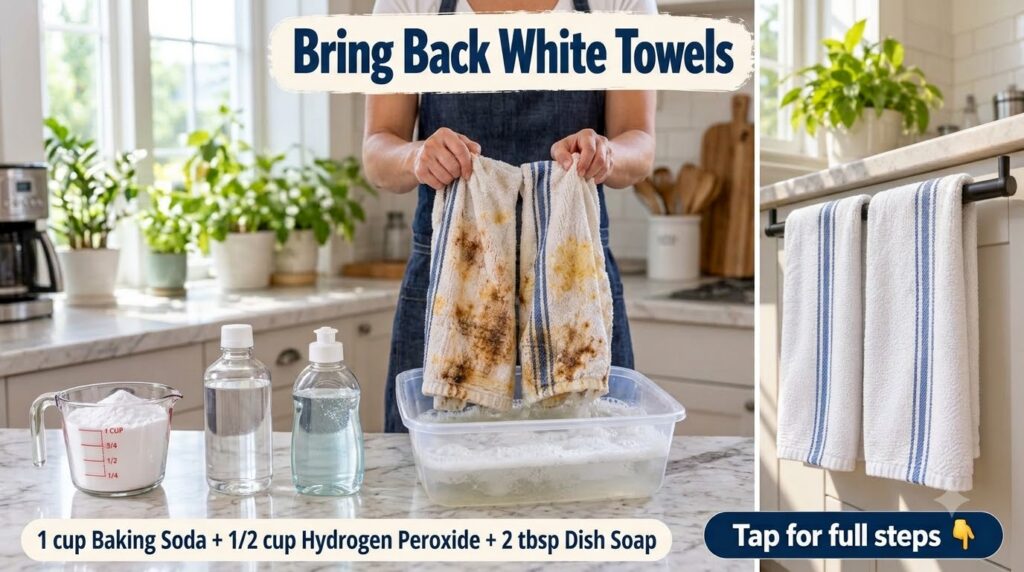
What You’ll Need
- Stained Kitchen Towels: White or light-colored towels with grease or food stains.
- Large Wash Basin or Utility Sink: Big enough to comfortably submerge your towels.
- Hot Water: As hot as your towels can safely handle (always check care labels).
- Dish Soap: A few generous squirts, as it’s excellent for cutting grease.
- Rubber Gloves: To protect your hands from hot water and cleaning agents.
- Optional: Baking Soda: A couple of tablespoons for an extra boost against odors and stains.
- Optional: White Vinegar: About 1/2 cup to soften fabric and aid stain removal.
Why This DIY Can Be Useful
This method leverages the power of direct contact and soaking to tackle embedded dirt. Hot water helps to loosen fibers and dissolve greasy residues, making it easier for cleaning agents to penetrate the stains. Dish soap is specifically formulated to break down fats and oils, which are common culprits in kitchen towel stains. Adding baking soda can provide a mild abrasive action and neutralize odors, while white vinegar helps to lift grime, remove soap residue, and naturally soften fabrics without harsh chemicals.
How to Make It
Preparing your washing solution is straightforward:
- Clear a spacious area, ideally near a sink, and place your wash basin.
- Put on your rubber gloves to protect your hands from hot water and cleaning agents.
- Fill the wash basin with hot water. Aim for enough water to fully submerge your towels comfortably.
- Add a few generous squirts of dish soap directly into the hot water. If using, sprinkle in 2-3 tablespoons of baking soda now as well. Stir the water gently to create suds and mix the cleaning agents.
- If you plan to use white vinegar, you will add it during the rinse phase, not with the soap and baking soda.
How to Use It
Now that your cleaning solution is ready, it’s time to tackle those stains:
- Submerge Towels: Place your stained kitchen towels into the soapy hot water, ensuring they are fully submerged.
- Soak: Let the towels soak for at least 30 minutes, or even up to a few hours for very stubborn stains. The longer they soak, the more the hot water and cleaning agents can work to loosen the grime.
- Scrub: After soaking, take one towel at a time and gently scrub the stained areas against themselves or with a soft brush if needed. You’ll likely see the dirty water changing color as the stains lift. Focus on rubbing the particularly grimy spots.
- Rinse: Drain the dirty water from the basin. Rinse the towels thoroughly under clean, running hot water until all soap suds are gone and the water runs clear.
- Optional Vinegar Rinse: If desired, refill the basin with warm water and add about 1/2 cup of white vinegar. Submerge the rinsed towels and let them soak for 15-20 minutes. This helps remove any remaining detergent residue and further softens the fabric. Rinse again thoroughly with clean water.
- Final Wash: For an extra fresh finish, you can then toss the cleaned towels into your washing machine for a regular cycle with your usual laundry detergent.
What to Expect
After this deep cleaning treatment, you can expect your kitchen towels to be significantly brighter and fresher. Most common food and grease stains should be gone, or at least greatly diminished. While this method is highly effective, extremely old or deeply set-in stains might still leave a faint shadow. However, the overall appearance and hygiene of your towels will be vastly improved, extending their lifespan and making them pleasant to use again.
Helpful Tips
- Pre-treat Fresh Stains: If you catch a stain right after it happens, apply a drop of dish soap directly to it and rub gently before starting the full wash process.
- Don’t Overload: Work with a few towels at a time to ensure they have enough space to soak and be properly agitated in the basin.
- For Colored Towels: Use warm, not scorching hot, water and perform a spot test on an inconspicuous area first to ensure colors don’t bleed.
- Air Dry for Freshness: After the final rinse (and machine wash, if applicable), hang your towels to air dry for an extra fresh scent.
Important Notes / Safety
- Always wear rubber gloves to protect your hands from hot water and cleaning agents, especially if you have sensitive skin.
- Ensure you have good ventilation in your workspace, particularly if you’re sensitive to the scent of cleaning products or using very hot water which can create steam.
- Never mix white vinegar with bleach, as this can create dangerous chlorine gas.
- Always check the care labels on your towels before using very hot water or strong cleaning agents.