Most people spend countless hours trying to eradicate dandelions from their lawns, viewing them as nothing more than stubborn weeds. Yet, beneath their cheerful yellow flowers lies a potent natural treasure: the dandelion root. What if the very plant you’re trying to remove holds surprising benefits for your well-being, often overlooked by modern eyes?
Many natural health enthusiasts and herbalists cherish dandelion roots for their unique properties, especially for supporting digestive health and natural cleansing processes. But preparing them correctly, and knowing how to safely integrate them into your routine, is key to unlocking their full potential. This guide will walk you through everything you need to know about this humble, yet powerful, root.
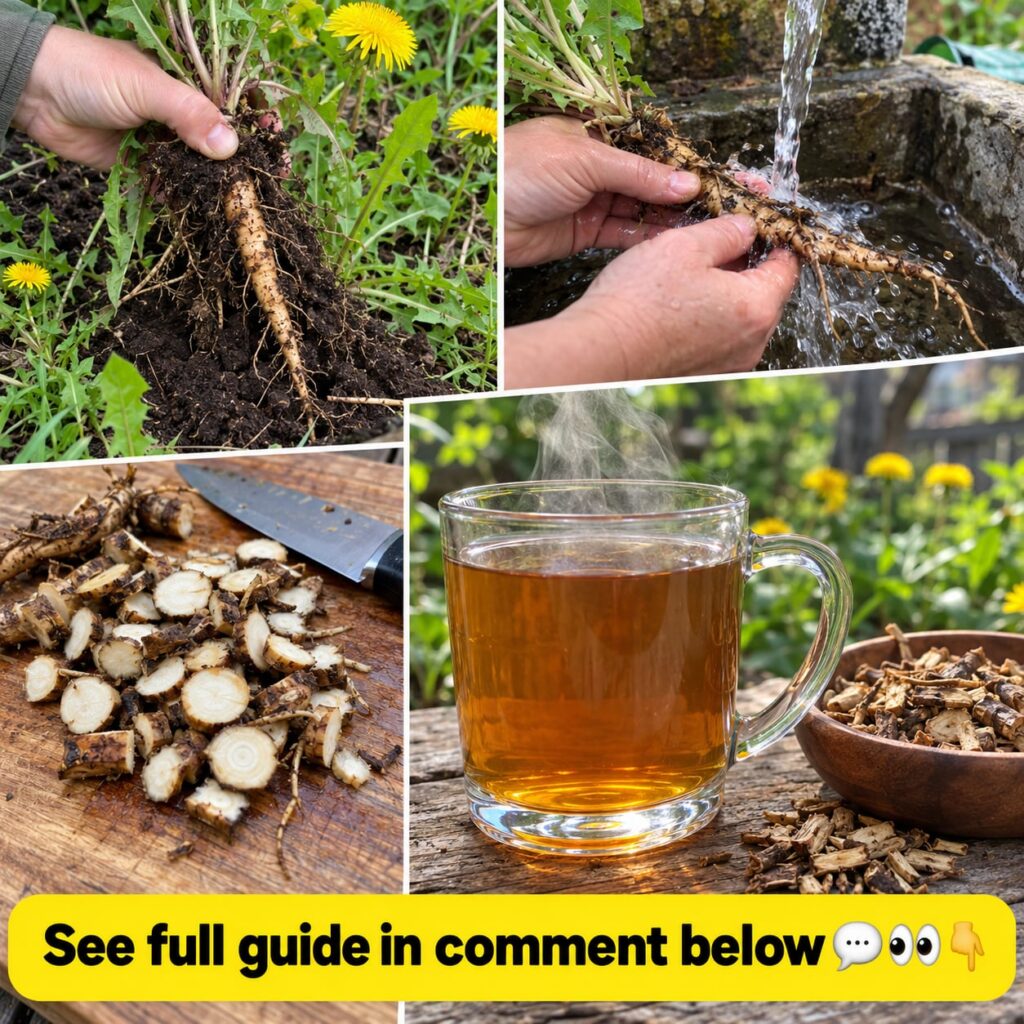
What It Is
The dandelion (Taraxacum officinale) is a perennial herb found in temperate regions worldwide. While its leaves are often used in salads and its flowers for wine, the roots are particularly prized in herbal traditions. Dandelion roots are known for their bitter compounds, which are believed to stimulate digestion and liver function. They can be consumed fresh, dried, or roasted, with each method offering a slightly different flavor profile and use.
Fresh vs. Dried Dandelion Root: A Quick Look
| Feature | Fresh Dandelion Root | Dried Dandelion Root |
|---|---|---|
| Availability | Seasonal (Spring/Fall) | Year-round |
| Flavor | More bitter, earthy | Milder, slightly less intense |
| Preparation | Requires thorough cleaning, chopping | Ready to use, often pre-cut |
| Potency | Often perceived as stronger | Still potent, but concentrated |
| Storage | Refrigerate up to a week | Store in airtight container for months |
Ingredients for Dandelion Root Tea
The simplest way to enjoy dandelion root is as a tea. Here’s what you’ll need:
- 1-2 teaspoons dried dandelion root (chopped) OR 1 tablespoon fresh dandelion root (chopped)
- 8-10 ounces (about 1 cup) hot water
- Optional: Honey, lemon, or a pinch of ginger for flavor
Approximate Measurements
For a standard serving, 1-2 teaspoons of dried root or 1 tablespoon of fresh root per cup of water is generally sufficient. If you’re new to dandelion root tea, start with a smaller amount and gradually increase to assess your body’s response.
Formula / Recipe: Simple Dandelion Root Tea
This basic recipe is versatile and can be adapted based on your preference for fresh or dried roots.
Step-by-Step Method
- Prepare the Root: If using fresh dandelion root, scrub it thoroughly under cold running water to remove all soil. Chop the root into small, uniform pieces (about 1/4 inch). If using dried root, no pre-preparation is needed.
- Boil Water: Bring 8-10 ounces of fresh water to a boil.
- Combine: Place the chopped fresh or dried dandelion root into a heat-safe mug or a small pot.
- Steep: Pour the boiling water over the dandelion root.
- Cover and Infuse: Cover the mug or pot to prevent the beneficial volatile oils from escaping. Let it steep for 10-15 minutes for a stronger brew, or 5-7 minutes for a milder tea.
- Strain: Strain the tea to remove the root pieces.
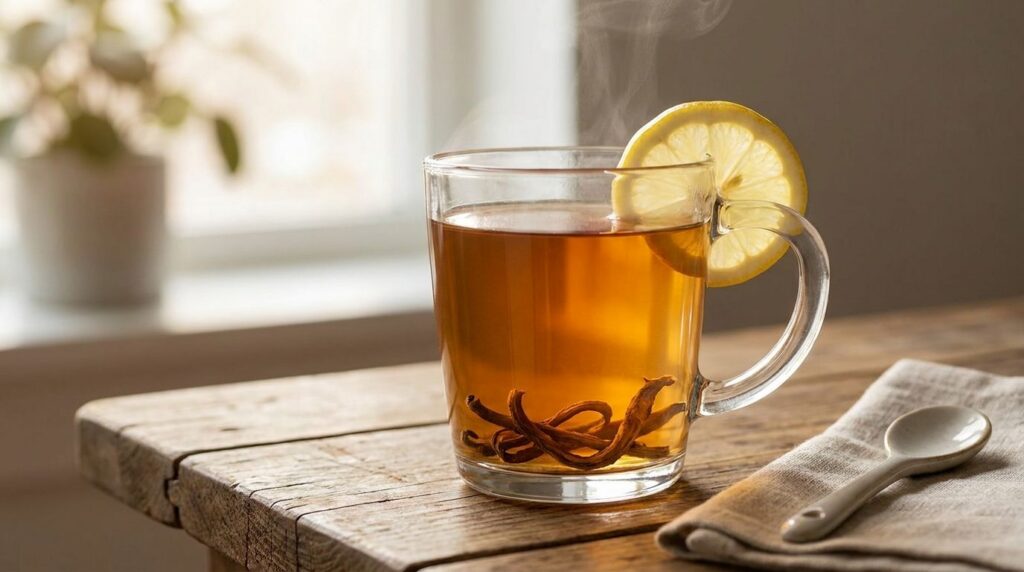
- Serve: Enjoy your dandelion root tea warm. Add honey, lemon, or ginger if desired.
Quick Tip: For a richer, coffee-like flavor, roast your dried dandelion roots in a dry pan over medium heat for 5-10 minutes until fragrant and slightly browned before brewing. This mellows some of the bitterness.
How to Use
Dandelion root tea is primarily consumed as a beverage. It’s often recommended for supporting digestion, especially before or after meals, or as a general wellness tonic.
How Often to Use
Most herbalists suggest drinking 1-2 cups of dandelion root tea per day. It’s best to listen to your body and adjust frequency as needed. Some prefer it daily for a period (e.g., 2-4 weeks) as part of a cleanse, while others enjoy it occasionally.
How to Buy / How to Choose Ingredients
When sourcing dandelion roots, quality matters:
- Foraging: If foraging, ensure the dandelions are from an area free of pesticides, herbicides, and pollutants (e.g., roadsides, industrial areas). Dig up the whole root, clean it thoroughly, and identify it correctly.
- Dried Roots: Purchase from reputable herbal suppliers. Look for organic, cut-and-sifted roots. Avoid powdered roots unless specifically required for a recipe, as quality can be harder to assess.
- Supplements: Dandelion root is also available in capsule or tincture form. Choose brands with third-party testing and clear ingredient sourcing.
Storage
- Fresh Roots: After cleaning, store fresh dandelion roots in a breathable bag (like a paper bag) in the refrigerator for up to a week.
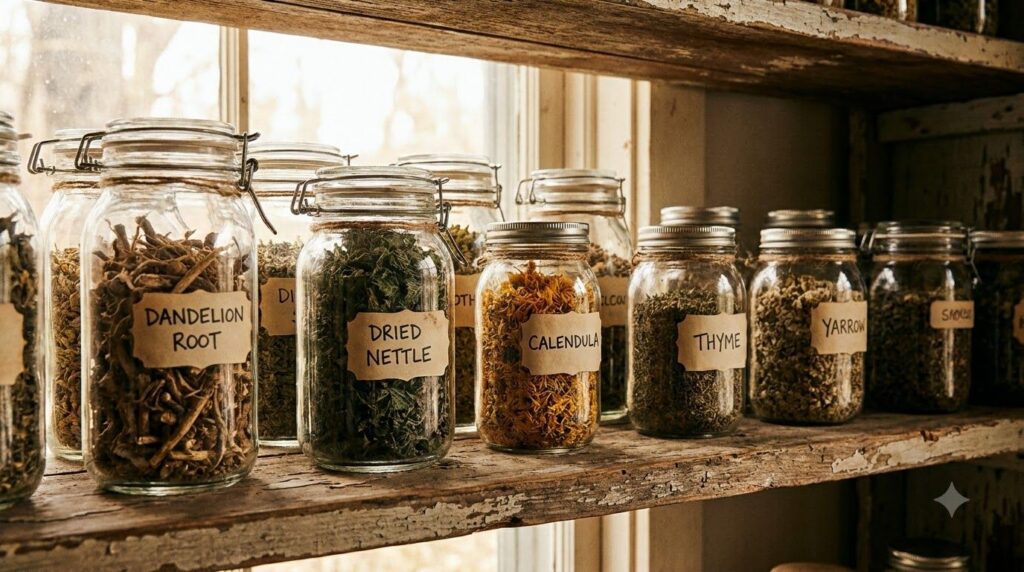
- Dried Roots: Keep dried dandelion roots in an airtight container in a cool, dark, dry place. They can last for up to 1-2 years.
- Prepared Tea: Dandelion root tea is best consumed fresh. If you have leftovers, store them in the refrigerator for no more than 24 hours.
Practical Tips
- Gentle Start: If you’re new to dandelion root, begin with a weaker brew or smaller quantity to see how your body reacts.
- Pairing: The bitter taste of dandelion root tea can be balanced with a squeeze of lemon, a touch of honey, or a slice of ginger. Some even blend it with peppermint or chamomile for a more complex flavor.
- Root Quality: Foraging in spring and fall often yields the most potent roots. Spring roots are often praised for their bitterness, while fall roots for their inulin content.
Common Mistakes
One small preparation mistake can diminish the benefits or lead to an unpleasant experience:
- Improper Foraging: Harvesting from contaminated areas can introduce toxins. Always identify plants correctly and choose clean locations.
- Insufficient Cleaning: Fresh roots often contain soil and grit. Thorough scrubbing is essential.
- Boiling the Root: While some recipes suggest simmering, boiling aggressively can destroy some delicate compounds. Steeping in hot (not boiling) water after a quick boil is often preferred.
- Over-Steeping: While a longer steep makes a stronger tea, it can also increase bitterness significantly, making it less palatable.
- Ignoring Cautions: Dandelion root is not for everyone. Always check the caution section before regular use.
Cautions / Who Should Avoid It
While generally safe for most, dandelion root can interact with certain conditions or medications:
- Allergies: Individuals allergic to ragweed, chrysanthemums, marigolds, or daisies may also be allergic to dandelion.
- Gallbladder Issues: Dandelion can stimulate bile flow. If you have gallstones or bile duct obstruction, consult a healthcare professional before use.
- Kidney Issues: Dandelion is a diuretic. If you have kidney disease, speak to your doctor.
- Medication Interactions: It may interact with diuretics (potassium-sparing), blood thinners, and medications metabolized by the liver.
- Pregnancy and Breastfeeding: Limited research exists; consult a healthcare provider.
Always consult with a healthcare professional before starting any new herbal remedy, especially if you have underlying health conditions or are taking medication.
Quick Summary
Dandelion root, whether fresh or dried, offers a natural way to support wellness, especially digestion. Prepare it as a simple tea by steeping 1-2 tsp dried or 1 tbsp fresh root in hot water for 10-15 minutes. Best used 1-2 times daily. Store roots properly (fresh in fridge, dried in airtight containers) and always source from clean, pesticide-free areas. Avoid if allergic to related plants, have gallbladder issues, or are on certain medications.
FAQ
- Can I use fresh or dried dandelion root? Yes, both can be used. Fresh roots are often considered more potent, while dried roots are convenient year-round.
- How long does dandelion root tea last? It’s best consumed fresh. Leftovers can be refrigerated for up to 24 hours.
- Can I refrigerate fresh dandelion roots? Yes, after cleaning, store them in a breathable bag in the refrigerator for up to a week.
- How often should I use dandelion root tea? 1-2 cups per day is a common recommendation, but adjust based on your body’s response.
- What part of the dandelion is best for remedies? While leaves and flowers have uses, the root is particularly valued for its unique compounds.
- Can I reuse the roots for another brew? For strong efficacy, it’s generally best to use fresh root material for each brew.
- When should I avoid dandelion root? Avoid if you have specific allergies, gallbladder blockages, or are on medications that may interact. Always consult a doctor first.
Conclusion
The humble dandelion root, often dismissed as a garden nuisance, is a testament to nature’s overlooked bounty. By understanding how to properly identify, prepare, and use this potent root, you can tap into a traditional remedy that has supported well-being for centuries. Remember to prioritize safety and listen to your body, making dandelion root a valuable addition to your natural health toolkit. Now, when you see a dandelion, you might just see a hidden ally.
Read more: Our Full Guide to Herbal Teas for Digestion
You may also like: Learning the Basics of Safe Foraging
