Most people ignore it, seeing just a persistent weed in their lawn. But for centuries, herbalists and home remedy enthusiasts have recognized the humble dandelion as a powerhouse of natural well-being. This common garden ‘invader’ holds surprising benefits often overlooked, making it one of the most versatile ingredients for your home remedy toolkit.
Ignoring the true potential of dandelion is a common mistake. Its roots, leaves, and flowers all offer unique properties that can support your body in various ways. Let’s dig into how you can transform this ubiquitous plant into practical remedies.
What is Dandelion?
Dandelion (Taraxacum officinale) is far more than a simple weed. It’s a perennial herbaceous plant known for its bright yellow flowers, deeply lobed leaves, and a robust taproot. Every part of the dandelion – from its bitter leaves to its earthy root and delicate flowers – has a traditional use, making it a truly versatile plant for natural wellness.
Your Dandelion Remedy Kit: Key Ingredients & Measurements
Harnessing dandelion’s potential begins with knowing which parts to use and in what quantities. Remember, these are approximate guidelines for a standard cup of tea or infusion.
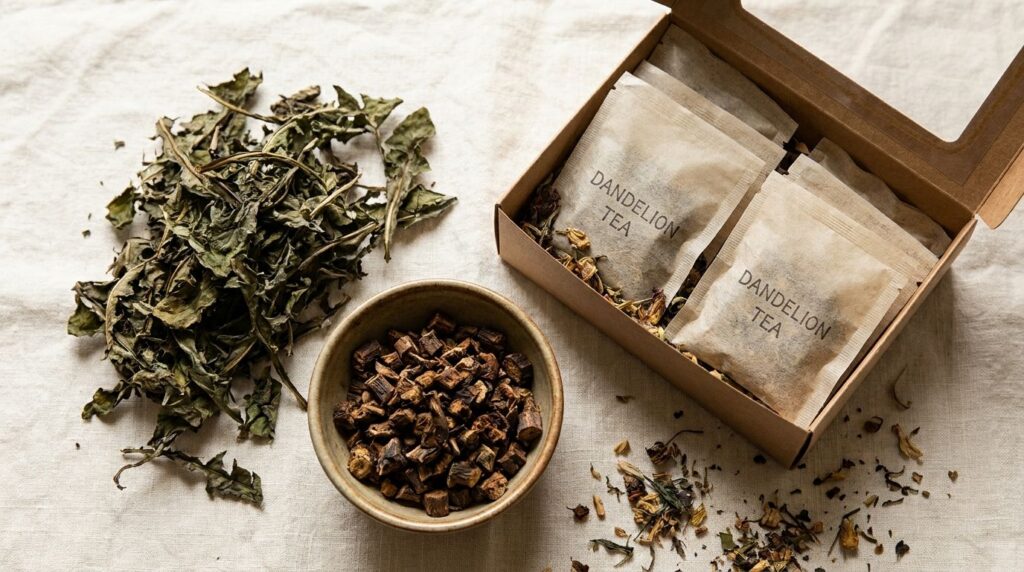
- Dandelion Leaves: Fresh (1/4 cup chopped) or Dried (1-2 teaspoons). Best for infusions.
- Dandelion Root: Fresh (1 tablespoon chopped) or Dried (1-2 teaspoons, roasted for tea). Best for decoctions (root tea).
- Water: 1 cup (240 ml) for each preparation.
Quick Tip: When harvesting dandelion from your yard, ensure it has not been sprayed with pesticides or herbicides. Choose plants from clean, undisturbed areas.
Simple Preparations: Dandelion Root Tea & Leaf Infusion
Here are two fundamental ways to prepare dandelion for internal use, focusing on its most commonly utilized parts.
Formula 1: Dandelion Root Tea (Decoction)
Ideal for extracting compounds from the tougher root, this is often consumed for digestive and liver support.
- Ingredients: 1-2 teaspoons dried, roasted dandelion root (or 1 tbsp fresh chopped root), 1 cup water.
- Method:
- If using fresh root, wash thoroughly and chop finely. If using dried, roasted root, no pre-preparation needed.
- Combine root and water in a small saucepan.
- Bring to a boil, then reduce heat and simmer gently for 10-15 minutes.
- Strain the liquid into a cup.
- Allow to cool slightly before drinking.
Formula 2: Dandelion Leaf Infusion
This lighter preparation is excellent for drawing out nutrients and compounds from the delicate leaves, often used for its diuretic properties.
- Ingredients: 1-2 teaspoons dried dandelion leaves (or 1/4 cup fresh chopped leaves), 1 cup hot water.
- Method:
- Place fresh or dried dandelion leaves in a mug or heat-safe jar.
- Pour boiling water over the leaves.
- Cover and let steep for 5-10 minutes. Covering helps retain volatile compounds.
- Strain the leaves and enjoy your infusion.
Using Your Dandelion Remedy: How & How Often
Both the root tea and leaf infusion are typically consumed warm. For general wellness support, a single cup of either preparation daily is a common starting point. For specific needs, consult a healthcare professional. Dandelion tea or infusion is often best enjoyed before meals to aid digestion.
You may also like: The Benefits of Herbal Teas for Digestion
Sourcing & Storing Dandelion
Getting the right quality dandelion is key to effective remedies.
How to Choose Ingredients:
- Foraging: The best time to harvest dandelion leaves is in spring before flowering, when they are least bitter. Roots are best harvested in the fall or early spring when their energy is concentrated underground. Always ensure your foraging spot is pesticide-free and away from roadsides.
- Buying: Look for organic dried dandelion leaves or roasted root from reputable herbal suppliers. This ensures quality and safety.
Storage:
- Fresh Leaves/Root: Store in a breathable bag in the refrigerator for up to 3-5 days. Wash just before use.
- Dried Leaves/Root: Keep in airtight containers in a cool, dark, dry place for up to 1 year.
- Prepared Tea/Infusion: Best consumed fresh. Can be refrigerated for up to 24 hours, but potency diminishes.

Fresh vs. Dried Dandelion: Quick Comparison
| Feature | Fresh Dandelion | Dried Dandelion |
|---|---|---|
| Availability | Seasonal (Spring, Fall) | Year-round |
| Flavor Intensity | Stronger, more bitter | Milder, often earthier (especially roasted root) |
| Convenience | Requires cleaning & chopping | Ready to use |
| Storage | Short (refrigerated) | Long (airtight container) |
Practical Tips for Dandelion Use
- Cleanliness is Key: Always wash fresh dandelion parts thoroughly to remove soil and debris.
- Roasting Roots: Gently roasting dandelion roots before brewing enhances their flavor and can aid in extraction, giving a coffee-like taste.
- Reduce Bitterness: For leaves, blanching them briefly or soaking in cold water can reduce some bitterness, especially if using in salads.
Common Mistakes to Avoid
- Misidentification: Ensure you are correctly identifying dandelion. Look for the singular flower on an unbranched, hollow stem and the deeply lobed leaves in a basal rosette.
- Using Sprayed Plants: Never harvest dandelion from areas treated with herbicides or pesticides.
- Over-Boiling Leaves: Boiling delicate leaves for too long can destroy beneficial compounds. Infusion (steeping) is preferred.
- Improper Storage: Storing fresh dandelion wet or in non-airtight containers will lead to spoilage quickly.
Cautions & Who Should Avoid It
While generally safe for most people, dandelion can interact with certain medications or conditions:
- Allergies: Individuals allergic to ragweed, chrysanthemums, marigolds, or daisies may also be allergic to dandelion.
- Medications: Dandelion can interact with diuretics, blood thinners, and medications for diabetes or high blood pressure.
- Gallbladder Issues: People with bile duct obstruction or gallstones should use dandelion with caution and under professional guidance.
- Pregnancy/Breastfeeding: Consult a doctor before use.
Continue with: Natural Herbs for Gut Health
Quick Summary
Dandelion is a versatile home remedy. The leaves are best for nutrient-rich infusions, while roasted roots make a digestive-supporting tea. Harvest from clean areas or buy organic. Store fresh parts briefly in the fridge, dried parts in airtight containers. Avoid using sprayed plants and consult a doctor if on medication or pregnant.
Frequently Asked Questions About Dandelion
- Can I use fresh or dried dandelion for remedies? Both can be used. Fresh leaves are great for infusions and salads, while dried roots are common for teas.
- How long does homemade dandelion tea last? It’s best to drink it fresh. Refrigerated, it can last up to 24 hours, but its potency may decrease.
- What part of the dandelion is best for liver support? The root is most commonly associated with liver and digestive support.
- Can I eat raw dandelion leaves? Yes, young dandelion leaves can be added to salads, but they have a bitter taste.
- How often should I use dandelion remedies? For general wellness, once daily is common. For specific concerns, consult a health professional.
- When should I avoid dandelion? Avoid if you have allergies to related plants, are on specific medications (diuretics, blood thinners), or have gallbladder issues. Consult a doctor if pregnant or breastfeeding.
A Plant Worth Reconsidering
Dandelion, often dismissed as a nuisance, is truly a gift from nature. By understanding its various parts and how to prepare them, you can easily incorporate this plant into your natural health routine. From supporting digestion to boosting nutrition, the power of dandelion is right under your feet, waiting to be rediscovered. Start exploring its potential today!