We often focus on *how much* water we drink, but have you ever stopped to consider if the temperature of your water truly makes a difference to your well-being? It’s a daily choice we make almost unconsciously, yet the temperature of your H2O can have a surprising impact on your body, influencing everything from digestion to hydration and overall comfort. From icy cold to soothing warm, each temperature profile offers distinct effects that can either support or subtly challenge your internal systems. Understanding these nuances can empower you to make more mindful hydration choices throughout your day.
Join us as we explore the often-overlooked connection between your water’s temperature and its far-reaching effects on your health. We’ll dive into the specific impacts of very cold, cold, room temperature, and warm water, helping you discover which sip might be best for your body at different times.
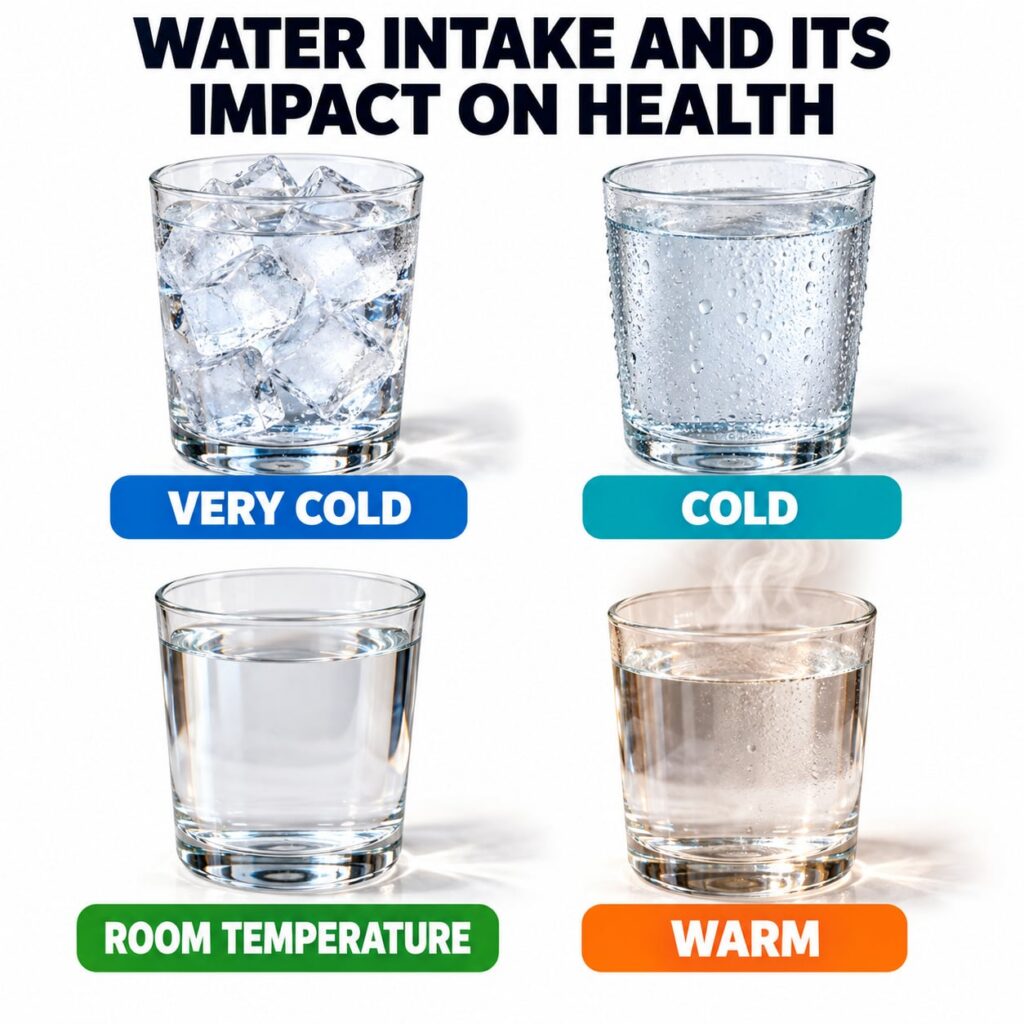 Discover how each water temperature uniquely interacts with your body.
The Surprising Link Between Water Temperature and Your Well-being
Our bodies are constantly working to maintain a stable internal temperature, a process known as thermoregulation. When you consume water, its temperature influences how much energy your body expends to either warm it up or cool it down to match its core temperature. This energy expenditure, along with other physiological responses, can lead to different health outcomes depending on whether your drink is ice-cold or comfortably warm.
Understanding these subtle shifts can help you optimize your hydration for specific goals, whether it’s boosting metabolism, aiding digestion, or simply feeling more energized and comfortable throughout your day. Let’s explore the unique characteristics of each temperature.
Very Cold Water: A Refreshing Chill or a Hidden Challenge?
For many, a glass of very cold water, often with ice, is the ultimate thirst quencher, especially on a hot day or after an intense workout. The immediate chill provides a sensation of cooling that can be incredibly refreshing.
- Potential Benefits: It can rapidly cool the body during or after strenuous exercise, helping to prevent overheating and improve endurance. The refreshing sensation can also encourage greater water intake for some individuals, which is beneficial for overall hydration.
- Considerations: Some experts suggest that very cold water may cause blood vessels in the digestive tract to constrict, potentially slowing down the digestive process. For individuals with sensitive teeth or certain digestive issues, consuming very cold water might lead to discomfort.
Cold Water: Hydration and Athletic Performance
Slightly less extreme than its ‘very cold’ counterpart, cold water is a popular choice for daily hydration and often reaches for during light to moderate physical activity.
- Potential Benefits: Similar to very cold water, cold water is effective for rehydration and can be particularly appealing during workouts. It’s quickly absorbed by the body, making it a good choice for replenishing fluids lost through sweat. Its refreshing nature can also make it easier to drink sufficient quantities throughout the day.
- Considerations: While generally well-tolerated, some individuals might find cold water to be less conducive to optimal digestion compared to room temperature or warm water, especially when consumed with meals.
Room Temperature Water: The Gentle Standard for Digestion
Often overlooked in favor of colder options, room temperature water (around 68-78°F or 20-25°C) is widely regarded as the most beneficial for general health and digestion.
- Potential Benefits: Its temperature closely matches the body’s internal temperature, requiring minimal energy expenditure for absorption. This makes it highly efficient for hydrating cells and supporting vital bodily functions. Room temperature water is particularly gentle on the digestive system, allowing for optimal breakdown and absorption of nutrients from food. It can also help stimulate bowel movements and reduce bloating.
- Considerations: For those accustomed to colder drinks, room temperature water might initially feel less satisfying or refreshing.
Warm Water: Ancient Wisdom for Modern Health
Drinking warm water has been a practice in traditional medicine systems for centuries, revered for its soothing and cleansing properties.
- Potential Benefits: Warm water can help relax blood vessels, promoting better circulation and aiding in the detoxification process by encouraging the kidneys to filter waste more efficiently. It’s known to assist digestion by helping to break down food and can alleviate constipation. Many find warm water, especially with a squeeze of lemon, to be a comforting remedy for sore throats, nasal congestion, and overall relaxation. Drinking warm water before bed may also promote better sleep.
- Considerations: While highly beneficial for many, excessive consumption of very hot water can potentially damage delicate tissues in the mouth and esophagus. Always ensure the temperature is comfortable to drink.
Choosing Your Optimal Water Temperature: What’s Best for You?
With varying benefits and considerations, how do you decide which water temperature is best for your health? The answer largely depends on your individual needs, the time of day, and your current activity level.
- After a Workout: Cold or very cold water can be excellent for rapidly cooling your body and replenishing fluids.
- With Meals: Room temperature or warm water is generally preferred to support digestion and nutrient absorption without shocking your system.
- Morning Boost: A glass of warm water, perhaps with lemon, can kickstart your metabolism and aid detoxification.
- For Relaxation or Congestion: Warm water can provide soothing relief.
- General Hydration: Room temperature water is often the most efficient and gentle choice for consistent daily intake.
Listen to your body and experiment with different temperatures to see how you feel. The most important thing is to ensure adequate hydration, regardless of the temperature you choose.