Dealing with persistent skin concerns like warts can be frustrating, and it’s no surprise that people often look for natural, at-home solutions. One particular method gaining traction online involves a simple combination of lemon and cream, with many sharing their experiences. But does this viral beauty hack really live up to the hype? Let’s explore what people are trying and what you should know before considering any home remedy for skin issues.

What is the Lemon and Cream Method?
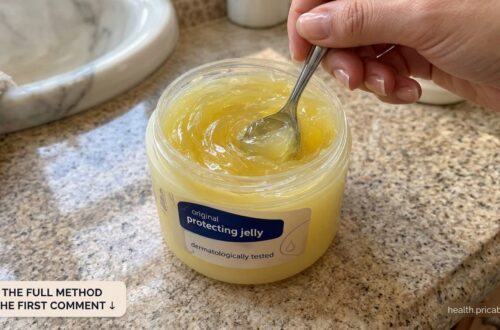
This popular DIY routine, often shared across social media platforms, typically involves applying fresh lemon juice to the affected area, sometimes followed by, or mixed with, a moisturizing cream or petroleum jelly. The basic idea often promoted by those trying it is that the natural acidity of lemon, combined with the softening properties of cream, might help in addressing skin texture concerns like warts.
Understanding the Ingredients: Lemon and Cream
Let’s take a closer look at the key components of this hack:
- Lemon Juice: Lemons are well-known for their citric acid content, which is a natural alpha hydroxy acid (AHA). In general skincare, AHAs are often used for their exfoliating and brightening properties, helping to remove dead skin cells and promote a smoother-looking complexion.
- Moisturizing Cream or Petroleum Jelly: These products are primarily used to hydrate the skin, create a protective barrier, and help lock in moisture. They can make the skin feel softer and more supple.
Why the Buzz? Exploring its Popularity
The appeal of the lemon and cream method likely stems from its perceived simplicity, affordability, and the use of readily available natural ingredients. In a world where beauty solutions can be complex and costly, a seemingly straightforward home remedy often catches the attention of those seeking a more accessible approach to common skin concerns.
Important Considerations and Cautions Before You Try This
While the idea of a natural, simple solution is appealing, it’s crucial to approach viral beauty hacks with caution, especially when dealing with skin conditions:
- Skin Sensitivity and Irritation: Lemon juice is highly acidic and can be quite irritating to the skin, especially on sensitive areas or broken skin. Applying it can lead to redness, stinging, burning, excessive dryness, and even chemical burns. It can also increase your skin’s sensitivity to the sun, making you more prone to sunburn and hyperpigmentation (dark spots).
- No Scientific Evidence for Wart Treatment: Warts are caused by the human papillomavirus (HPV) and require specific treatments to effectively remove the virus. There is currently no scientific research or clinical evidence to suggest that applying lemon juice and cream can cure or remove warts. DIY methods like this are not recognized as effective medical treatments for viral warts.
- Risk of Infection: Applying acidic substances to open or irritated skin can disrupt the skin’s natural barrier, potentially leading to secondary bacterial infections or worsening the existing condition.
- Delaying Effective Treatment: Relying on unproven home remedies might delay seeking proper medical advice and treatment from a dermatologist, which can lead to warts growing larger, spreading to other areas, or becoming more stubborn to treat later on.
The Bottom Line on Viral Beauty Hacks
When it comes to addressing skin concerns like warts, it’s always best to consult with a healthcare professional or a dermatologist. They can accurately diagnose the condition and recommend appropriate, evidence-based treatments tailored to your specific needs. While some natural ingredients can be beneficial for overall skin health, it’s important to differentiate between general skincare and treating medical conditions.
While the lemon and cream method is a popular beauty routine that people are trying, remember that safety and efficacy should always come first. Your skin’s health is paramount, and professional guidance ensures you receive the most effective and safe care possible.