Most people wage war on it in their lawns, treating it as nothing more than a stubborn weed. But this common garden ‘pest’ holds a surprising secret: powerful health benefits tucked away in its roots and leaves. Forget the endless weeding; it’s time to discover the overlooked plant that many herbalists consider a potent ally for wellness.
We’re talking about dandelion, and specifically, its root. If you’ve never considered making a remedy from this abundant plant, you’re in for a practical guide that could change how you view your backyard forever. One small preparation mistake, however, can diminish its efficacy, so paying close attention to the method is key.
What is Dandelion Root Tea?
Dandelion (Taraxacum officinale) is far more than a garden nuisance. Every part of this plant – from its sunny yellow flowers to its bitter leaves and robust taproot – has been traditionally used for its health-supporting properties. Dandelion root tea, in particular, is celebrated for its natural cleansing capabilities, especially supporting liver and digestive health. It’s often used as a mild diuretic and can help stimulate bile production, aiding in fat digestion and overall detoxification.
Unlike many herbal remedies that require sourcing exotic ingredients, dandelion is often readily available, making it an accessible and sustainable choice for a home remedy. But don’t just pull any dandelion; sourcing matters, which we’ll cover in the practical tips.
Ingredients for Dandelion Root Tea
Making a basic dandelion root tea is straightforward and requires minimal ingredients. The quality of your dandelion root will largely determine the effectiveness of your brew.
- Dandelion Root: 1-2 teaspoons (dried, chopped) or 1 tablespoon (fresh, chopped)
- Water: 8-10 ounces (filtered is best)
- Optional additions: A slice of fresh ginger, a squeeze of lemon, or a teaspoon of honey for flavor.
The root contains a wealth of beneficial compounds, including bitter principles that stimulate digestion and prebiotics like inulin, which can support gut health. This is the part most people skip, assuming only the leaves are useful for a ‘green’ tea.
Approximate Measurements
- For a standard cup (8-10 oz) of tea:
- Dried Dandelion Root: Start with 1 teaspoon for a mild tea, increasing to 2 teaspoons for a stronger brew.
- Fresh Dandelion Root: Use approximately 1 tablespoon of chopped root per cup.
Consistency in measurement helps ensure a balanced and effective tea. Too little, and you might not get the full benefits; too much, and the bitterness can be overwhelming.
Formula / Recipe: Simple Dandelion Root Tea
This recipe focuses on extracting the valuable compounds from the root to create a nourishing beverage.
- Prepare your dandelion root (dry or fresh).
- Combine root and water in a small saucepan.
- Bring to a gentle simmer.
- Steep for 10-15 minutes.
- Strain and enjoy.
Step-by-Step Method
1. Prepare Your Dandelion Root
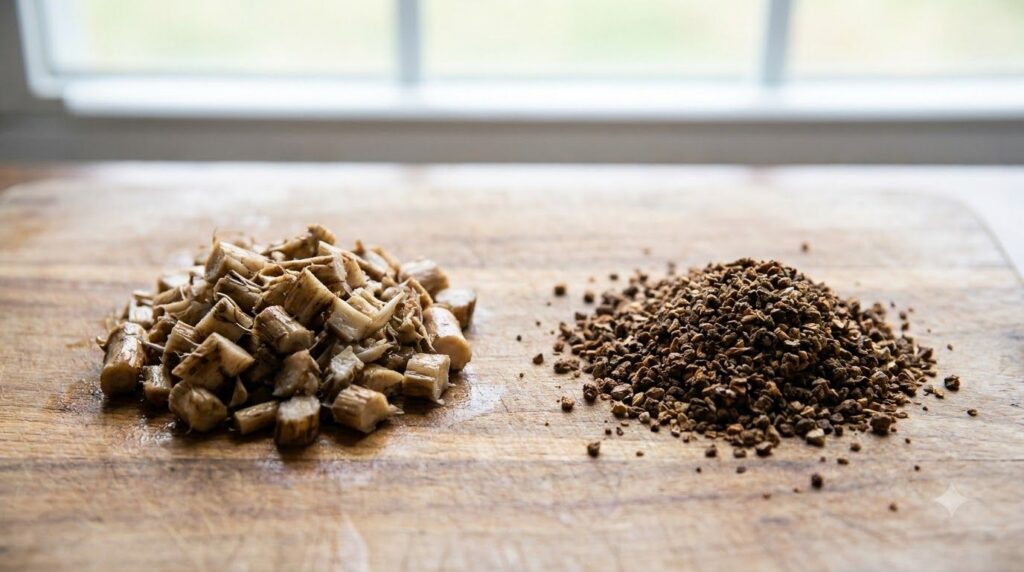
- If using dried root: Ensure it’s organic and finely chopped or granulated.
- If using fresh root: Carefully dig up dandelions from an area you know is free from pesticides and herbicides. Wash the roots thoroughly under cold running water, scrubbing away any dirt. Chop the cleaned roots into small pieces (about 1/4 inch).
2. Combine and Simmer
- Place your measured dandelion root into a small saucepan.
- Add 8-10 ounces of filtered water.
- Bring the mixture to a gentle simmer over medium heat. Do not boil vigorously, as this can degrade some delicate compounds.
3. Steep to Perfection
- Once simmering, reduce the heat to low, cover the saucepan, and let it steep for 10 to 15 minutes. For a stronger decoction, you can simmer it for up to 20 minutes, keeping the lid on to prevent evaporation.
4. Strain and Serve
- Remove the saucepan from the heat.
- Strain the liquid through a fine-mesh sieve into your mug, ensuring all root particles are removed.
- Add optional ginger, lemon, or honey if desired, and enjoy your fresh dandelion root tea.
How to Use
Dandelion root tea is best consumed warm. It can be enjoyed on its own or with a touch of natural sweetener if the bitter taste is too intense for you. Many people find it particularly beneficial before or after meals to aid digestion, or in the morning as part of a cleansing routine.
How Often to Use
For general wellness and digestive support, drinking 1-2 cups of dandelion root tea daily is common. Some individuals may prefer to use it for short periods, such as a 2-4 week cleansing protocol, followed by a break. Always listen to your body and consult with a healthcare professional if you have underlying health conditions.
Quick Tip: Best Time to Use It
Many herbalists suggest drinking dandelion root tea 20-30 minutes before a meal to stimulate digestive juices, or first thing in the morning to kickstart your metabolism and support detoxification processes.
How to Buy / How to Choose Ingredients
If you’re not harvesting your own, purchasing high-quality dandelion root is crucial:
- Source Organic: Always opt for organic dried dandelion root to avoid pesticides and other contaminants.
- Reputable Suppliers: Buy from trusted herbal suppliers or health food stores that specialize in herbs.
- Check Freshness: Dried herbs should have a discernible aroma. If it smells stale, it’s likely old and less potent.
- Wild Harvesting: If you wild harvest, ensure the area has not been sprayed with chemicals and is away from roadsides where pollutants might accumulate. Digging from an established garden or pristine natural area is ideal.
Storage
Proper storage ensures the potency and longevity of your dandelion root and tea.
- Dried Dandelion Root: Store in an airtight container, away from direct sunlight, heat, and moisture. A cool, dark pantry is ideal. It can last for 1-2 years.
- Fresh Dandelion Root: Once harvested and cleaned, fresh roots can be stored in a paper bag in the refrigerator for up to a week. For longer storage, you can dehydrate them or freeze them.
- Brewed Tea: Dandelion root tea is best consumed fresh. If you have leftovers, store them in a sealed container in the refrigerator for no more than 24-48 hours. Reheat gently or enjoy cold.
Practical Tips
- Roast for a Coffee-like Flavor: For a deeper, more coffee-like flavor, you can lightly roast fresh dandelion roots in the oven before brewing. This mellows the bitterness and adds a rich, earthy note.
- Combine with Other Herbs: Dandelion pairs well with other digestive herbs like ginger, peppermint, or burdock root. Experiment to find your favorite blend.
- Use the Leaves Too: While this guide focuses on the root, dandelion leaves can also be added to salads or brewed as a lighter, more diuretic tea.
Common Mistakes
- Using Sprayed Plants: Harvesting dandelions from a lawn treated with pesticides or herbicides is a major mistake and can introduce harmful chemicals into your remedy. Always ensure your source is clean.
- Boiling Vigorously: Boiling the roots aggressively can destroy some of the delicate compounds. A gentle simmer is preferred for extraction.
- Not Washing Fresh Roots Thoroughly: Freshly dug roots will have soil and microbes. Inadequate washing can lead to an unappetizing (and potentially unsafe) tea.
- Mistaking for Similar Plants: While dandelion is quite distinctive, always be 100% sure of your identification if wild harvesting.
- Skipping Drying for Storage: If harvesting fresh roots and planning to store them for an extended period, thorough drying is essential to prevent mold growth.
Did You Know?
Dandelion root is packed with vitamins and minerals, including vitamins A, C, K, E, and B vitamins, as well as iron, calcium, magnesium, and potassium. It’s truly a nutritional powerhouse often overlooked.
Cautions / Who Should Avoid It
While generally safe for most, dandelion root tea may not be suitable for everyone:
- Allergies: Individuals with allergies to plants in the Asteraceae family (like ragweed, daisies, marigolds) may experience an allergic reaction.
- Gallstones/Bile Duct Obstruction: Dandelion stimulates bile flow, which could be problematic for those with gallstones or blocked bile ducts. Consult a doctor first.
- Medication Interactions: Dandelion can interact with certain medications, including diuretics (due to its own diuretic effect), blood thinners, and medications metabolized by the liver.
- Pregnancy and Breastfeeding: Limited research exists, so it’s best to avoid during pregnancy and while breastfeeding unless advised by a healthcare professional.
Always consult with a healthcare provider before introducing new herbal remedies, especially if you have pre-existing conditions or are on medication.
Quick Summary
| Aspect | Key Information |
|---|---|
| Best Preparation | Gentle simmer (decoction) for 10-15 minutes. |
| Best Use-Case | Liver support, digestive aid, mild diuretic. |
| Storage | Dried root: airtight, cool, dark (1-2 years). Brewed tea: fridge (24-48 hours). |
| When to Use | 1-2 cups daily, ideally before meals or in the morning. |
| What to Avoid | Sprayed plants, vigorous boiling, allergies, certain medical conditions/medications. |

FAQ
- Can I use fresh or dried dandelion root? You can use both! Fresh root offers a slightly different flavor profile and may be more potent, but dried root is convenient and has a longer shelf life.
- How long does dandelion root tea last? Brewed tea is best consumed within 24-48 hours if refrigerated. Dried root can last 1-2 years if stored properly.
- Can I refrigerate it? Yes, brewed tea can be refrigerated in a sealed container for up to 2 days.
- How often should I use it? 1-2 cups daily is a common recommendation for general wellness, but always listen to your body.
- Can I freeze it? While not ideal for preserving flavor, you can freeze fresh dandelion roots after cleaning and chopping for longer storage. Brewed tea can also be frozen into ice cubes.
- What part is best for liver support? The root is traditionally most valued for its liver and digestive support properties, while the leaves are more known for their diuretic action.
- Can I reuse the roots for another batch? It’s generally not recommended to reuse the roots, as most of the beneficial compounds will have been extracted in the first brew.
- When should I avoid it? Avoid if you have allergies to the Asteraceae family, gallstones, or are on medications that may interact. Consult a doctor if pregnant or breastfeeding.
Conclusion
The humble dandelion, so often dismissed as a weed, truly holds a treasure trove of benefits, especially within its roots. By learning how to prepare a simple dandelion root tea, you unlock a natural, accessible remedy right from your own environment or local health store. This isn’t just about making a cup of tea; it’s about reclaiming a piece of traditional wisdom and integrating it into your modern wellness routine. Give this overlooked plant the attention it deserves, and you might just find your new favorite natural remedy.
You may also like: Herbal Teas for Better Digestion
Read more: Your Guide to Detoxifying Herbs