There’s nothing quite like the warmth and anticipation of a homemade cake entering the oven. This moment marks the start of a delicious journey, as simple ingredients transform into something truly special. If you’re looking for that perfect, comforting bake that brings joy to every slice, you’ve come to the right place. This Easy Basic Vanilla Cake recipe is designed to bring that ‘Baking Happiness’ right into your kitchen.
This classic vanilla cake is the epitome of comfort. It’s wonderfully moist, incredibly fluffy, and boasts that timeless vanilla flavor that everyone loves. Whether it’s a birthday, a holiday, or just a simple craving for something sweet, a homemade vanilla cake always hits the spot. It’s a versatile canvas for any frosting or topping, making it a fantastic staple for your baking repertoire. Get ready to fill your home with the inviting aroma of freshly baked cake!
Why You’ll Love This Easy Vanilla Cake Recipe
- Simple Ingredients: You likely have most of these pantry staples on hand already.
- Easy to Follow: Perfect for bakers of all skill levels, from beginners to seasoned pros.
- Classic Flavor: A timeless vanilla taste that’s universally loved and always satisfying.
- Wonderfully Moist & Fluffy: Achieves a perfect texture that melts in your mouth.
- Highly Versatile: Great on its own, or easily dressed up with your favorite frosting, fruit, or toppings.
- Brings Joy: The process of baking this cake is as delightful as eating it, filling your home with warmth and delicious aromas.
Ingredients
For the Cake:
- 2 ¼ cups (270 g) all-purpose flour, sifted
- 1 ½ cups (300 g) granulated sugar
- 1 tbsp (15 g) baking powder
- ½ tsp (3 g) salt
- ¾ cup (170 g) unsalted butter, softened to room temperature
- 2 large eggs, at room temperature
- 1 cup (240 ml) whole milk, at room temperature
- 2 tsp (10 ml) pure vanilla extract
For Simple Vanilla Buttercream (Optional):
- ½ cup (113 g) unsalted butter, softened
- 2 cups (240 g) powdered sugar, sifted
- 1-2 tbsp (15-30 ml) milk or heavy cream
- 1 tsp (5 ml) pure vanilla extract
- Pinch of salt
Ingredient Notes
- All-Purpose Flour: Sifting the flour helps prevent lumps and creates a lighter texture. Measure by weight (grams) for the most accurate results.
- Unsalted Butter: Ensure it’s truly at room temperature (soft enough to indent with a finger, but not melted) for proper creaming with the sugar. This creates air pockets for a light cake.
- Eggs and Milk: Also at room temperature! Cold ingredients can cause the batter to curdle and affect the cake’s texture.
- Vanilla Extract: Use a good quality pure vanilla extract for the best flavor.
- Baking Powder: Make sure yours is fresh for optimal lift.
Equipment You’ll Need
- Two 8-inch round cake pans or one 9×13 inch baking pan
- Parchment paper
- Mixing bowls (large and medium)
- Electric mixer (stand mixer with paddle attachment or hand mixer)
- Measuring cups and spoons
- Spatula
- Whisk
- Wire rack for cooling
How to Make Easy Basic Vanilla Cake
- Prepare Your Pans: Preheat your oven to 350°F (175°C). Grease and flour two 8-inch round cake pans (or one 9×13 inch pan). For round pans, line the bottoms with parchment paper, then grease and flour the parchment too. This prevents sticking.
- Combine Dry Ingredients: In a medium bowl, whisk together the sifted all-purpose flour, baking powder, and salt. Set aside.
- Cream Butter and Sugar: In a large mixing bowl, using an electric mixer, cream the softened butter and granulated sugar together on medium speed until light and fluffy, about 3-5 minutes. The mixture should be pale yellow and airy.
- Add Eggs: Beat in the eggs one at a time, mixing well after each addition. Scrape down the sides of the bowl as needed to ensure everything is incorporated. The mixture may look slightly curdled, but it will come together.
- Alternate Wet and Dry: In a separate small bowl or measuring cup, combine the room temperature milk and vanilla extract. With the mixer on low speed, gradually add about one-third of the dry ingredient mixture to the butter mixture, mixing just until combined. Then add half of the milk mixture, mixing until just combined. Repeat with another third of the dry ingredients, then the remaining milk mixture, and finally the last of the dry ingredients. Mix until just combined and no streaks of flour remain. Be careful not to overmix, as this can lead to a tough cake.
- Fill Pans and Bake: Divide the batter evenly between the prepared cake pans. Smooth the tops with a spatula.
- Cool: Let the cakes cool in their pans on a wire rack for 10-15 minutes. Then, carefully invert them onto the wire rack, remove the parchment paper (if used), and let them cool completely before frosting.
- Make Optional Buttercream: While the cake cools, if desired, make the buttercream. In a medium bowl, beat the softened butter with an electric mixer until creamy. Gradually add the sifted powdered sugar, alternating with milk/cream and vanilla extract, until smooth and fluffy. Add a pinch of salt to balance the sweetness.
- Frost and Serve: Once the cakes are completely cool, frost as desired and serve.
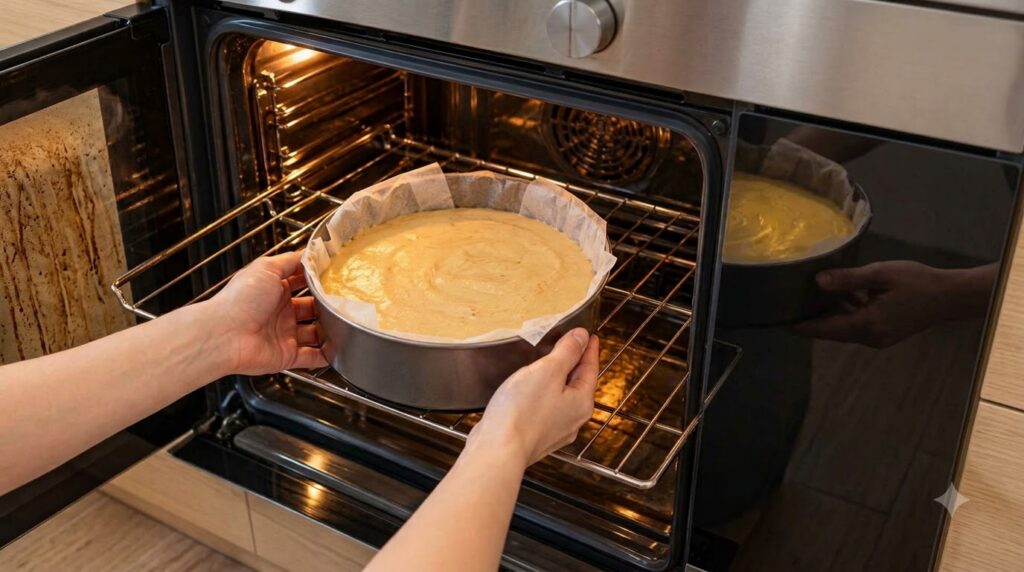
Bake for an estimated 25-30 minutes for 8-inch round cakes, or 30-35 minutes for a 9×13 inch cake. Baking time may vary depending on your oven. The cakes are done when a wooden skewer or toothpick inserted into the center comes out clean or with moist crumbs attached, but no wet batter.
Pro Tips for the Best Results
- Room Temperature Ingredients are Key: This allows butter, eggs, and milk to emulsify properly, creating a smooth batter that traps air for a light, fluffy cake.
- Measure Flour Correctly: Spoon flour into your measuring cup and then level it off with a straight edge. Don’t scoop directly from the bag, as this can compact the flour and result in a dense cake. Measuring by weight is even better!
- Don’t Overmix the Batter: Once the dry ingredients are added, mix just until combined. Overmixing develops gluten, leading to a tough, chewy cake.
- Prepare Pans Properly: Always grease and flour your pans thoroughly. Using parchment paper on the bottom of round pans provides an extra layer of insurance against sticking.
- Trust Your Oven, But Verify: Oven temperatures can vary. Use an oven thermometer to ensure accuracy. Check for doneness with a toothpick – it should come out clean or with a few moist crumbs.
- Cool Completely Before Frosting: Frosting a warm cake will cause the frosting to melt and slide off. Patience is a virtue here!
Common Mistakes to Avoid
- Cold Ingredients: Using butter, eggs, or milk straight from the fridge will cause your batter to curdle and your cake to be dense. Plan ahead and let them come to room temperature.
- Overmixing: As mentioned, this develops gluten and makes your cake tough. Mix only until just combined.
- Opening the Oven Door Too Early: Resist the urge to peek during the first 20 minutes of baking. A sudden drop in temperature can cause the cake to sink in the middle.
- Not Greasing Pans Adequately: This is a common culprit for cakes sticking and breaking when trying to remove them. Be generous and thorough.
- Using Expired Leavening Agents: Baking powder loses its potency over time. If it’s old, your cake won’t rise properly. Check the expiration date!
Variations & Substitutions
- Cupcakes: This recipe easily adapts to cupcakes. Fill cupcake liners about two-thirds full and bake for approximately 18-22 minutes.
- Flavor Variations: Add lemon or orange zest to the batter for a citrus twist. Stir in ½ cup of chocolate chips or sprinkles for a fun addition.
- Different Frostings: While a classic vanilla buttercream is delicious, try chocolate frosting, cream cheese frosting, or a simple glaze.
- Buttermilk Substitution: For an even more tender crumb, substitute the whole milk with buttermilk. If you don’t have buttermilk, add 1 tablespoon of white vinegar or lemon juice to 1 cup of regular milk and let it sit for 5-10 minutes before using.
Serving Suggestions
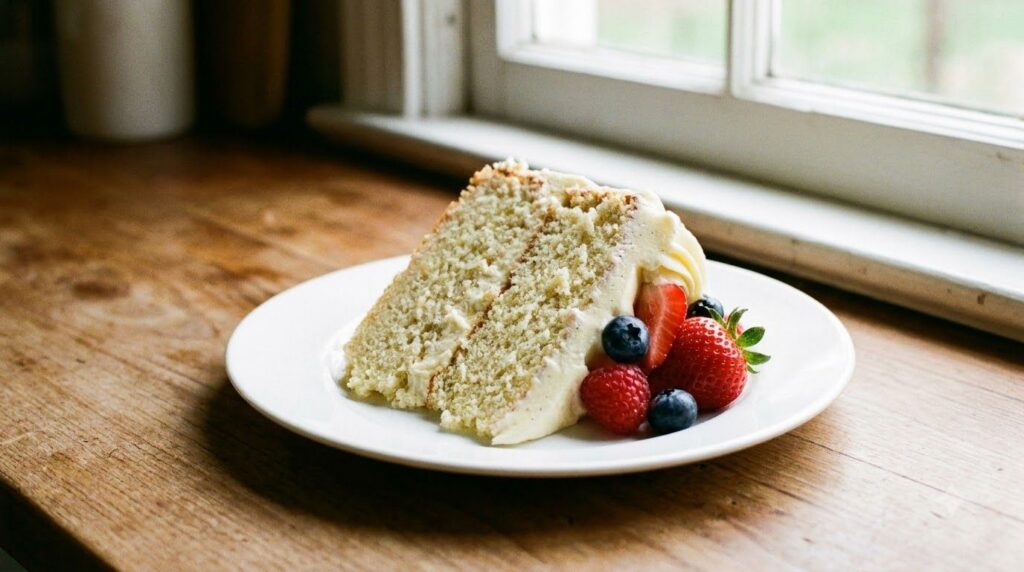
This Easy Basic Vanilla Cake is wonderful served simply with a dusting of powdered sugar, or topped with a luscious vanilla buttercream. For a refreshing touch, pair it with fresh berries like strawberries, raspberries, or blueberries. A scoop of vanilla ice cream or a dollop of whipped cream can also elevate this classic dessert. It’s perfect with a cup of coffee or tea, making it ideal for afternoon treats or as a delightful end to any meal.
Storage & Reheating
- Room Temperature: Unfrosted cake can be stored in an airtight container at room temperature for up to 2-3 days. If frosted with a basic buttercream, it can also be kept at room temperature for 2-3 days, though in very warm climates, refrigeration might be better.
- Refrigerator: Frosted cake (especially with cream cheese or fresh fruit) can be stored in an airtight container in the refrigerator for up to 5 days. Bring to room temperature for about 30 minutes before serving for the best flavor and texture.
- Freezer: Unfrosted cake layers can be wrapped tightly in plastic wrap and then aluminum foil, and frozen for up to 2-3 months. Thaw in the refrigerator overnight or at room temperature for a few hours before frosting and serving. Frosted cake can also be frozen, though the texture of the frosting might change slightly upon thawing.
FAQ
Can I make this vanilla cake ahead of time?
Yes, unfrosted cake layers can be baked a day or two in advance and stored tightly wrapped at room temperature. You can also freeze unfrosted layers for longer storage, as described above.
How do I know when my vanilla cake is done baking?
Insert a wooden skewer or toothpick into the center of the cake. If it comes out clean or with only a few moist crumbs attached, the cake is done. If it comes out with wet batter, continue baking for a few more minutes and retest.
Why did my cake sink in the middle?
Common reasons include opening the oven door too early, underbaking, using too much leavening agent, or having ingredients that were too cold.
Can I use oil instead of butter in this recipe?
While you can substitute oil for butter in some cake recipes, it will change the flavor and texture significantly. Butter provides a richer taste and contributes to the cake’s structure and tenderness in a way that oil doesn’t. For this classic recipe, butter is recommended.
What’s the best way to get even cake layers?
Ensure your batter is divided equally between the pans. You can use a kitchen scale to weigh the batter in each pan for precise distribution.
How long does homemade vanilla cake last?
When stored properly, unfrosted cake lasts 2-3 days at room temperature. Frosted cake can last 2-3 days at room temperature or up to 5 days in the refrigerator.
Recipe Card
Recipe Name: Easy Basic Vanilla Cake
Short Description: A simple, moist, and fluffy vanilla cake perfect for any celebration or everyday treat, bringing pure baking happiness to your home.
Prep Time: 20 minutes
Cook Time: 25-30 minutes
Total Time: 45-50 minutes
Servings: 8-12 slices
Course: Dessert
Cuisine: American
Cooking Method: Baking
Ingredients:
- 2 ¼ cups (270 g) all-purpose flour, sifted
- 1 ½ cups (300 g) granulated sugar
- 1 tbsp (15 g) baking powder
- ½ tsp (3 g) salt
- ¾ cup (170 g) unsalted butter, softened to room temperature
- 2 large eggs, at room temperature
- 1 cup (240 ml) whole milk, at room temperature
- 2 tsp (10 ml) pure vanilla extract
For Simple Vanilla Buttercream (Optional):
- ½ cup (113 g) unsalted butter, softened
- 2 cups (240 g) powdered sugar, sifted
- 1-2 tbsp (15-30 ml) milk or heavy cream
- 1 tsp (5 ml) pure vanilla extract
- Pinch of salt
Instructions:
- Prepare Your Pans: Preheat your oven to 350°F (175°C). Grease and flour two 8-inch round cake pans (or one 9×13 inch pan). For round pans, line the bottoms with parchment paper, then grease and flour the parchment too.
- Combine Dry Ingredients: In a medium bowl, whisk together the sifted all-purpose flour, baking powder, and salt. Set aside.
- Cream Butter and Sugar: In a large mixing bowl, using an electric mixer, cream the softened butter and granulated sugar together on medium speed until light and fluffy, about 3-5 minutes.
- Add Eggs: Beat in the eggs one at a time, mixing well after each addition. Scrape down the sides of the bowl as needed.
- Alternate Wet and Dry: In a separate small bowl, combine the room temperature milk and vanilla extract. With the mixer on low speed, gradually add one-third of the dry ingredients to the butter mixture, then half of the milk mixture. Repeat, ending with the remaining dry ingredients. Mix until just combined; do not overmix.
- Fill Pans and Bake: Divide batter evenly between prepared pans. Bake for an estimated 25-30 minutes for 8-inch rounds (30-35 minutes for 9×13 inch), or until a toothpick inserted into the center comes out clean.
- Cool: Let cakes cool in pans for 10-15 minutes on a wire rack, then invert onto the rack to cool completely.
- Make Optional Buttercream: While cakes cool, beat softened butter until creamy. Gradually add sifted powdered sugar, alternating with milk/cream and vanilla, until smooth and fluffy. Add a pinch of salt.
- Frost and Serve: Once cakes are completely cool, frost as desired and serve.
Notes:
Baking times are estimates and may vary by oven. Always check for doneness using a toothpick test. Ensure all cold ingredients are at room temperature before starting for the best cake texture.
Storage:
Store unfrosted cake layers tightly wrapped at room temperature for 2-3 days or frozen for up to 2-3 months. Frosted cake can be stored in an airtight container at room temperature for 2-3 days, or refrigerated for up to 5 days. Bring refrigerated cake to room temperature before serving.
Nutrition:
Nutrition information is an estimate and may vary depending on the ingredients and brands used.
