Have you ever wished you could clone your favorite plant, ensuring the new one is an exact replica of its parent? Or perhaps you’ve struggled with propagating certain plants from cuttings? If so, the ancient and fascinating technique of air layering might be your new best friend in the garden! At Garden – L. Quyên, we’re always looking for easy, effective ways to help you grow your dream garden, and air layering is a fantastic method for plant propagation that yields impressive results.
Air layering allows you to propagate new plants directly from a branch while it’s still attached to the parent plant. This means the developing roots receive continuous nourishment, giving your new plant a much stronger start than traditional cuttings. It’s particularly useful for woody plants, shrubs, and even some fruit trees that can be tricky to root otherwise.
Join us as we explore the art of air layering, a rewarding DIY gardening project that will expand your plant collection and deepen your connection to nature.
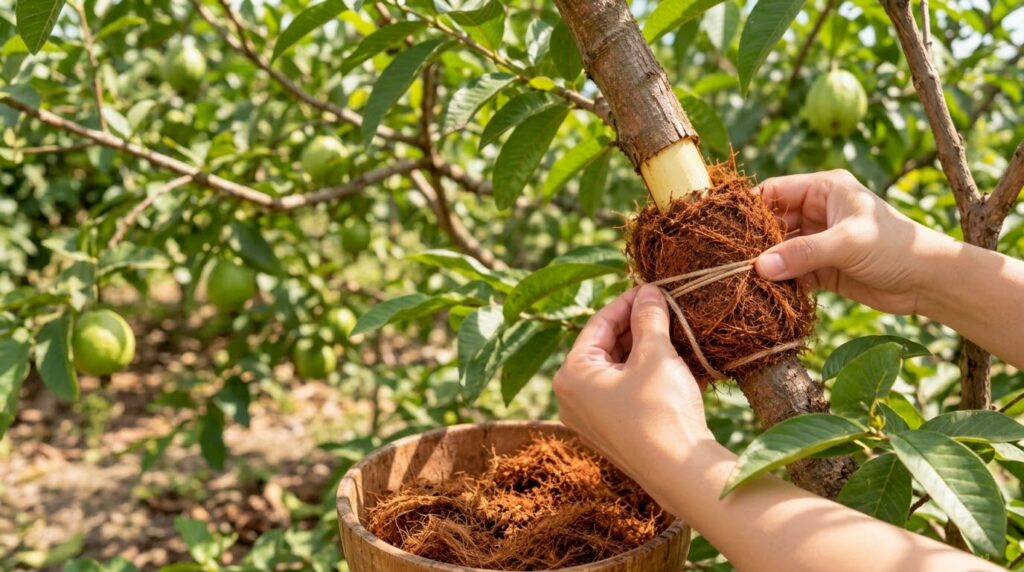
What is Air Layering?
Air layering, also known as marcottage, is a method of vegetative plant propagation that involves rooting a section of a plant stem while it is still attached to the parent plant. By creating an environment conducive to root growth directly on a branch, you essentially trick the branch into thinking it’s an independent plant. Once sufficient roots have formed, the rooted section is cut from the parent plant and potted as a new, self-sufficient specimen.
Why Choose Air Layering for Propagation?
- Faster Maturity: Air-layered plants often develop into mature plants much quicker than those grown from seed or traditional cuttings because they start with a more established root system.
- True to Type: The new plant will be genetically identical to the parent plant, preserving desirable characteristics like fruit quality, flower color, or growth habit.
- Higher Success Rate: For many woody plants, air layering boasts a higher success rate than stem cuttings, as the layered branch continues to receive water and nutrients from the parent plant.
- Ideal for Difficult-to-Root Plants: If you’ve had trouble rooting plants like magnolias, azaleas, or certain fruit trees, air layering can be a game-changer.
Materials You’ll Need
Before you begin, gather these essential tools:
- Sharp Knife or Pruners: Sterilized to prevent disease.
- Rooting Hormone (Optional but Recommended): A powder or gel to encourage root growth.
- Sphagnum Moss or Coir: Pre-soaked in water until thoroughly moist.
- Clear Plastic Wrap or Heavy-Duty Plastic Bag: To enclose the moss and retain moisture.
- Twine, Electrical Tape, or Zip Ties: To secure the plastic wrap.
- Aluminum Foil (Optional): To protect the rooting area from direct sunlight.
Step-by-Step Guide to Air Layering
1. Choose Your Branch
Select a healthy, disease-free branch that is about 1/2 to 1 inch thick and at least 1-2 feet long. Look for a branch that is about one to two years old and has current year’s growth. Avoid overly young or old wood.
2. Prepare the Branch (Ringing)
Approximately 6-12 inches from the tip of the chosen branch, use your sterilized knife to make two parallel cuts around the circumference of the branch, about 1 inch apart. Carefully peel away the ring of bark between these two cuts, exposing the light green inner wood (cambium layer). Scrape off any remaining green tissue from the exposed wood to prevent it from healing over.
3. Apply Rooting Hormone (Optional)
Lightly dust or paint the exposed upper edge of the cut (just above where you removed the bark) with rooting hormone. This step can significantly enhance root development.
4. Apply Moist Sphagnum Moss or Coir
Take a generous handful of pre-moistened sphagnum moss or coir and gently squeeze out any excess water. Form it into a ball and carefully pack it around the exposed, ring-barked section of the branch, ensuring it completely covers the wounded area.
5. Secure with Plastic Wrap
Wrap the moss-covered area tightly with clear plastic wrap. Make sure the plastic extends a few inches above and below the moss ball. Secure both ends of the plastic wrap with twine, electrical tape, or zip ties, creating a sealed, air-tight package that will keep the moss moist and encourage root formation.
6. Wait and Monitor
Patience is key! Depending on the plant species and environmental conditions, roots can take anywhere from a few weeks to several months to develop. You’ll know it’s working when you see white roots visible through the clear plastic wrap.
7. Sever the New Plant
Once a good mass of roots has formed (typically filling a significant portion of the moss ball), it’s time to separate your new plant! Using sharp, clean pruners, cut the branch just below the rooted section. You now have a new, independent plant!
8. Pot Your New Plant
Carefully remove the plastic wrap from around the root ball. Gently plant your new rooted branch into a pot filled with well-draining potting mix. Water it thoroughly. For the first few weeks, keep your new plant in a partially shaded, protected location to allow it to acclimate before moving it to its final desired spot.
Tips for Success with Air Layering
- Maintain Humidity: The plastic wrap is crucial for maintaining high humidity around the rooting area. Check occasionally to ensure the moss hasn’t dried out.
- Choose the Right Season: For most plants, spring or early summer is the best time to start air layering, as plants are actively growing.
- Be Patient: Root development varies greatly. Don’t rush the process; wait until roots are well-established before severing.
- Select Appropriate Plants: While many woody plants can be air layered, some are more suitable than others. Common choices include citrus, magnolias, camellias, gardenias, ficus, and, as seen in our example, guava trees.
Troubleshooting Common Air Layering Issues
- No Root Development: This could be due to insufficient moisture, not properly scraping the cambium layer, or choosing a branch that’s too old or unhealthy.
- Rot: Too much moisture or improper sealing of the plastic wrap can lead to rot. Ensure the moss is moist, not soggy, and the wrap is sealed tightly.
- Branch Dies: This is rare but can happen if the branch is severely damaged during the ringing process or if the plant is under stress.
Air layering is a wonderfully rewarding technique that allows you to expand your garden with healthy, robust plants that are clones of your favorites. It’s a testament to the magic of gardening and a skill that will serve you well in your plant-growing journey. Give it a try, and watch your garden flourish!