Most people enjoy grapes for their juicy flesh, often discarding the small, bitter seeds without a second thought. But what if those tiny seeds held a concentrated power you’re missing out on? It turns out, the humble grape seed is a powerhouse of beneficial compounds, and transforming them into a simple powder is a practical way to harness their potential for your well-being. Forget about fancy supplements; the real secret might just be in your kitchen scraps.
We’re going to dive into how you can easily make your own grape seed powder, a versatile ingredient that can be added to many daily routines. This isn’t about vague promises or ancient rituals, but a straightforward, DIY approach to utilizing a part of the grape often tossed aside.
What It Is and Why You Should Care
Grape seeds are tiny, hard kernels found within grapes. While the fruit is beloved for its sweetness, the seeds contain a concentrated source of beneficial plant compounds, primarily oligomeric proanthocyanidin complexes (OPCs), flavonoids, and phenolic acids. These compounds are widely studied for their antioxidant properties, which help protect the body’s cells from damage caused by free radicals.
By turning these seeds into a fine powder, you create a concentrated form that’s easy to incorporate into your diet. This DIY method ensures you’re getting a pure product without added fillers or processing agents found in some commercial supplements. It’s a smart way to get more out of your grapes and boost your natural wellness efforts.
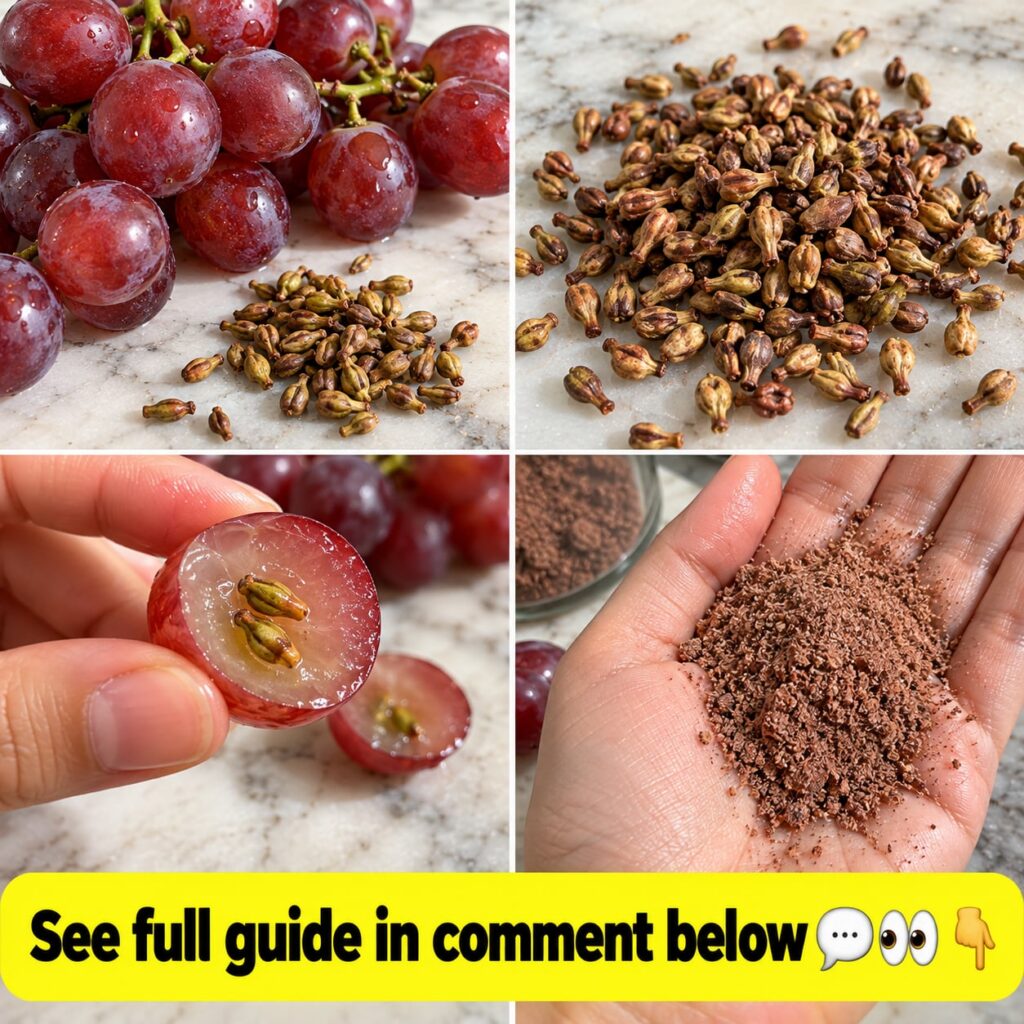 From fresh grapes to a beneficial powder, the journey of grape seeds.
Did You Know?
The antioxidant power of grape seed extract is often touted to be even greater than that of Vitamin C and E. While grape seed powder isn’t an extract, it still contains these valuable compounds in a natural, whole-food form, making it a great addition to a health-conscious lifestyle.
Ingredients You’ll Need
- Grape Seeds: Collect them from grapes you eat, or purchase raw, organic grape seeds.
- Water: For washing.
- Food Dehydrator (optional, but recommended): For efficient drying.
- Coffee Grinder or Spice Grinder: Essential for achieving a fine powder.
That’s it! The beauty of this remedy is its simplicity, focusing on utilizing what might otherwise be wasted.
Approximate Measurements
The yield of grape seed powder depends entirely on the quantity of seeds you collect. As a general guide:
- About 1 cup of fresh grape seeds (from approximately 2-3 pounds of grapes) will yield about 1/2 cup of dried seeds.
- This 1/2 cup of dried seeds will produce around 1/4 to 1/3 cup of finely ground powder.
These are rough estimates, so don’t worry about being exact. The goal is to make a usable batch for your personal needs.
Formula / Recipe: Homemade Grape Seed Powder
Making grape seed powder is less of a complex recipe and more of a straightforward process. The key steps involve careful cleaning, thorough drying, and precise grinding.
Step-by-Step Method
Step 1: Collect and Clean the Seeds
- After enjoying your grapes, carefully collect all the seeds.
- Place the seeds in a fine-mesh strainer and rinse them thoroughly under cold running water. You want to remove all traces of pulp and sugar, as these can hinder drying and lead to mold.
- Rub the seeds gently with your fingers to ensure they are completely clean.
Step 2: Dry the Seeds Thoroughly
This is arguably the most crucial step. Incomplete drying will lead to mold and ruin your batch.
- Air Drying: Spread the clean seeds in a single layer on a clean cloth or paper towel in a well-ventilated area away from direct sunlight. This can take several days, depending on humidity. Stir them occasionally to ensure even drying.
- Dehydrator Method (Recommended): For faster and more reliable drying, spread the seeds in a single layer on your dehydrator trays. Set the dehydrator to a low temperature (around 105-115°F or 40-46°C) and dry for 8-12 hours, or until the seeds are completely brittle and snap easily when bent.
- Oven Method (If no dehydrator): Spread seeds on a baking sheet. Set your oven to its lowest temperature (usually around 170°F or 75°C), or use the ‘warm’ setting. Prop the oven door open slightly with a wooden spoon to allow moisture to escape. Dry for several hours, checking frequently, until completely brittle. Be very careful not to roast or burn them.
Common Mistake: Not Drying Seeds Completely
A common pitfall is rushing the drying process. Any residual moisture in the seeds will promote mold growth during storage, rendering your powder unsafe to use. Always ensure they are bone-dry and brittle before proceeding.
Step 3: Grind into Powder
- Once the seeds are completely dry and cooled, transfer them to a clean coffee grinder or spice grinder.
- Grind in short pulses to avoid overheating the grinder and the seeds, which can degrade some of the beneficial compounds.
- Continue grinding until you achieve a fine, consistent powder. You might need to shake the grinder and grind again a few times to get rid of any larger pieces. The texture should be similar to fine cornmeal or flour.
How to Use Grape Seed Powder
Once you have your homemade grape seed powder, it’s incredibly versatile:
- Smoothies: Add 1/2 to 1 teaspoon to your morning smoothie for an antioxidant boost.
- Yogurt or Oatmeal: Sprinkle a small amount over your breakfast.
- Baked Goods: Incorporate a teaspoon or two into muffins, bread, or energy bars (the taste is subtle and can blend well).
- Beverages: Stir into a glass of water, juice, or a non-dairy milk.
- DIY Face Mask: Mix a pinch of powder with honey or aloe vera gel to create a simple, antioxidant-rich face mask. Apply, leave for 10-15 minutes, then rinse.
How Often to Use
For general wellness support, a consistent daily intake of 1/2 to 1 teaspoon of grape seed powder is often suggested. For topical applications like face masks, 1-2 times a week is usually sufficient. Always start with smaller amounts to see how your body responds.
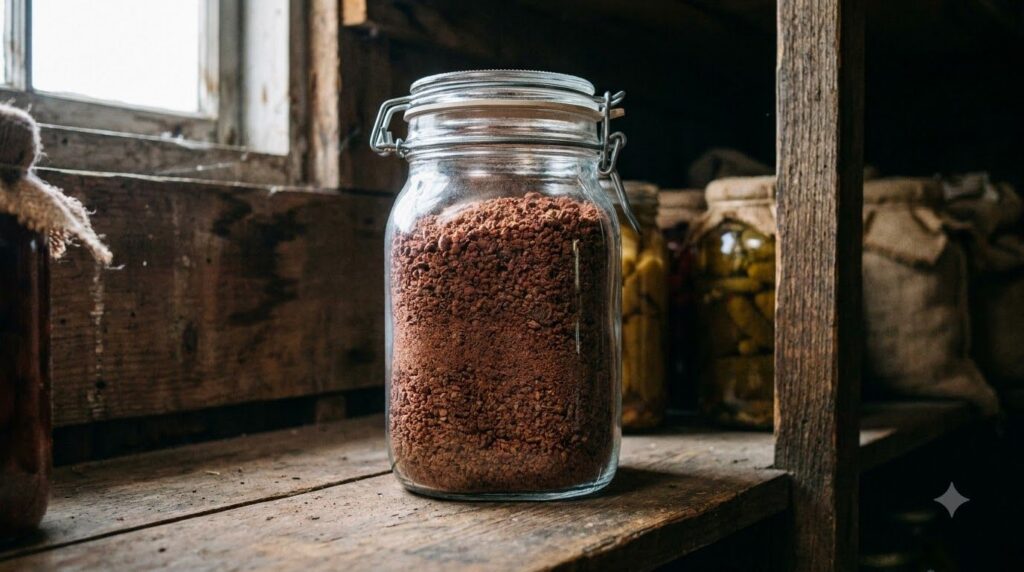 Proper storage ensures your homemade grape seed powder stays fresh and potent.
How to Buy / How to Choose Ingredients
If you’re collecting seeds from grapes you eat, prioritize organic grapes. Conventional grapes are often heavily sprayed with pesticides, and you don’t want those residues concentrating in your seeds. If buying seeds, look for:
- Organic Certification: Ensures seeds are free from pesticides and herbicides.
- Raw and Unprocessed: Avoid roasted or treated seeds, as heat can degrade beneficial compounds.
- Reputable Suppliers: Purchase from trusted sources that specialize in whole foods or herbal ingredients.
Quick Tip: Grape Varieties
While most grape seeds contain beneficial compounds, some varieties, like Muscadine grapes, are particularly noted for their high concentration of polyphenols.
Storage
Proper storage is essential to maintain the potency and freshness of your homemade grape seed powder.
- Airtight Container: Transfer the cooled, finely ground powder to an airtight glass jar or container immediately after grinding.
- Cool, Dark Place: Store the container in a cool, dark pantry or cupboard, away from direct sunlight, heat, and humidity.
- Refrigeration: While not strictly necessary, refrigerating can further extend its shelf life, especially in humid climates.
Stored correctly, homemade grape seed powder can last for 6-12 months. If it develops an off smell, changes color significantly, or shows any signs of mold, discard it.
Practical Tips
- Patience with Drying: Don’t rush the drying step. It’s the most critical part for a safe and effective powder.
- Cleanliness: Ensure all equipment (strainers, dehydrator trays, grinders, storage jars) is thoroughly clean and dry before use to prevent contamination.
- Start Small: When incorporating into your diet, begin with a small amount (1/4 teaspoon) and gradually increase to your desired dosage to assess your body’s tolerance.
Common Mistakes
- Using Sprayed Grapes: As mentioned, avoid conventional grapes to prevent pesticide concentration in your powder.
- Overheating During Grinding: Grinding for too long continuously can generate heat, which may degrade some sensitive compounds. Use short pulses.
- Expecting Miracles: Grape seed powder is a supportive supplement, not a cure-all. Integrate it as part of a balanced diet and healthy lifestyle.
- Not Grinding Finely Enough: A coarser powder can be gritty and less palatable when mixed into foods or drinks. Aim for a very fine consistency.
Cautions / Who Should Avoid It
While generally safe for most people in moderate amounts, there are some important considerations:
- Blood Thinners: Grape seed can have mild blood-thinning properties. If you are taking anticoagulant medications (e.g., Warfarin, Aspirin), consult your doctor before using grape seed powder, as it may increase the risk of bleeding.
- Allergies: If you have a known allergy to grapes, you should avoid grape seed powder.
- Pregnancy and Breastfeeding: There isn’t enough reliable information to definitively state that grape seed powder is safe during pregnancy or breastfeeding. It’s best to err on the side of caution and avoid use or consult a healthcare professional.
- Surgery: Due to potential blood-thinning effects, discontinue use at least two weeks before any scheduled surgery.
Always speak to a healthcare professional before adding any new supplement to your regimen, especially if you have underlying health conditions or are taking medications.
Quick Summary
- Best Preparation: Thoroughly dried and finely ground grape seed powder.
- Best Use-Case: Add to smoothies, yogurts, or baked goods for an antioxidant boost; can also be used in DIY face masks.
- Storage: Airtight container, cool, dark place for 6-12 months.
- When to Use: Daily for consistent wellness support.
- What to Avoid: Incompletely dried seeds, seeds from conventionally sprayed grapes, using if on blood thinners without medical advice.
FAQ
Here are some common questions about making and using grape seed powder:
Can I use fresh or dried grape seeds?
You must use thoroughly dried grape seeds to make powder. Fresh seeds contain too much moisture and will not grind properly, nor will they store well without spoiling.
How long does homemade grape seed powder last?
When stored in an airtight container in a cool, dark place, it can last for 6-12 months. Always check for changes in smell or color before use.
Can I refrigerate or freeze grape seed powder?
Refrigeration can extend its shelf life, especially in humid environments. Freezing is generally not necessary but won’t harm the powder.
How often should I use it for daily wellness?
A common recommendation is 1/2 to 1 teaspoon daily, mixed into food or drinks. Adjust based on your personal tolerance.
What part of the grape is best for this?
Only the seeds are used for grape seed powder. The skin and pulp have different benefits and are not part of this preparation.
Can I reuse grape seeds from store-bought grape juice?
Most commercial grape juices are made from seedless grapes or have the seeds removed. If you can find whole seeds, ensure they are organic and unprocessed.
What’s the difference between grape seed powder and grape seed oil?
Grape seed powder is the ground, whole seed, containing fiber, protein, and all the beneficial compounds in their natural matrix. Grape seed oil is extracted from the seeds and is primarily fat, though it also contains some beneficial compounds like Vitamin E and linoleic acid. They have different nutritional profiles and uses.
Comparison: Fresh vs. Dried Grape Seeds for Powder
FeatureFresh Grape SeedsDried Grape SeedsAvailabilitySeasonal, from fresh grapesYear-round, can be purchasedPreparationRequires thorough washing and extensive dryingUsually pre-cleaned, may need light dryingGrindingCannot be ground effectively due to moistureEasier to grind into fine, consistent powderStorageMust be dried immediately to prevent moldReady for grinding and long-term storage as powderCostFree if from grapes you eatVariable, depending on source and qualityNutrient PotencyPotentially higher if processed carefully, but risk of degradationMaintained if dried and stored correctly
Conclusion
Turning grape seeds into a beneficial powder is a simple, cost-effective way to reduce waste and enrich your wellness routine. By following these practical steps, you can harness the natural antioxidant power of this often-overlooked ingredient right from your own kitchen. Start small, be consistent, and enjoy the subtle yet significant benefits that nature’s forgotten gems have to offer.