Are you looking to give your garden a natural boost without relying on store-bought chemicals? Homemade fertilizers are a fantastic, eco-friendly way to nourish your plants, improve soil health, and even reduce household waste! Whether you’re growing vibrant flowers, lush vegetables, or thriving indoor plants, a little DIY effort can go a long way.
At Garden – L. Quyên, we’re all about empowering you with simple, effective, and sustainable gardening tips. Today, we’re diving into the wonderful world of homemade fertilizers, with a special focus on a garden favorite: eggshell fertilizer!
The Power of Eggshell Fertilizer for Stronger Plant Growth
Eggshells might seem like kitchen waste, but they are a gardener’s goldmine! Rich in calcium carbonate, eggshells provide essential nutrients that promote strong cell walls in plants, encourage healthy root development, and can even help prevent common issues like blossom end rot in tomatoes and peppers.
Why Calcium is Crucial for Your Plants:
- Stronger Cell Walls: Calcium helps form and strengthen plant cell walls, leading to more robust plants.
- Healthy Root Growth: It plays a vital role in root development, helping plants absorb water and nutrients more efficiently.
- Disease Prevention: Adequate calcium can reduce the susceptibility of plants to certain diseases and physiological disorders.
DIY Eggshell Fertilizer: A Simple Recipe
Making your own eggshell fertilizer is incredibly easy and requires minimal effort. Here’s how:
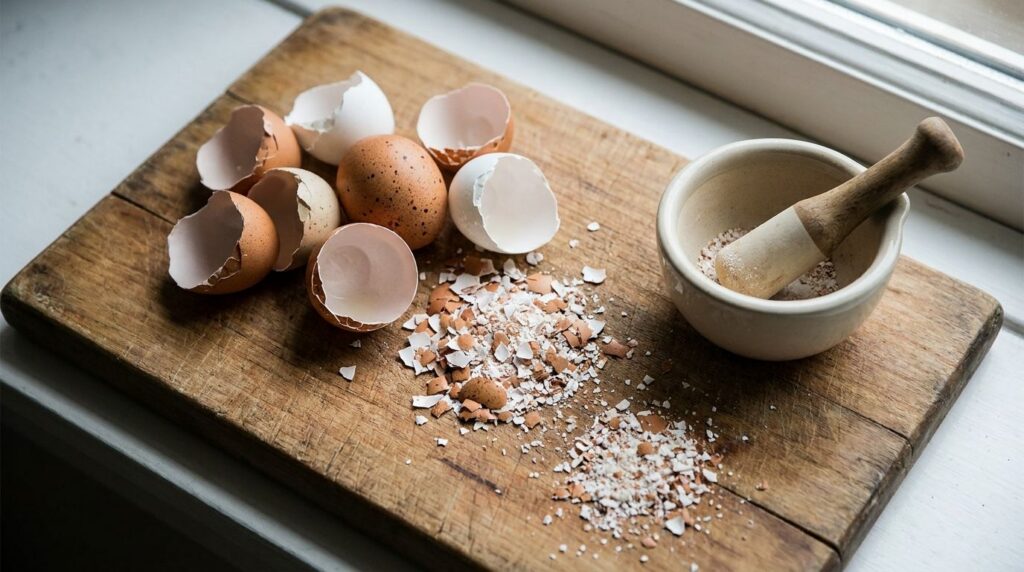
- Collect and Clean: Start by collecting your used eggshells. Rinse them thoroughly under running water to remove any egg residue. This prevents odors and pests.
- Dry Them Out: Spread the clean eggshells on a baking sheet and let them air dry completely for a day or two, or bake them in an oven at a low temperature (around 200°F or 93°C) for 10-15 minutes. Drying them makes them easier to crush and sterilizes them.
- Crush into Powder: Once dry, crush the eggshells. You can use a mortar and pestle, a rolling pin, or even a coffee grinder or food processor for a finer powder. The finer the powder, the quicker the nutrients will be released into the soil.
- Store: Store your homemade eggshell powder in an airtight container until ready to use.
How to Use Your Eggshell Fertilizer:
- Soil Amendment: Mix 1-2 tablespoons of eggshell powder into the soil around the base of your plants. This is especially beneficial for calcium-loving plants like tomatoes, peppers, and squash.
- Top Dressing: Sprinkle the crushed eggshells around your plants as a top dressing. As you water, the calcium will slowly leach into the soil.
- Seed Starting: Add a small amount to your seed-starting mix to give seedlings a healthy calcium boost from the start.
- Liquid Fertilizer: For a quick boost, soak crushed eggshells in water for a few days (e.g., 1 cup of eggshells per gallon of water). Strain the liquid and use it to water your plants.
Explore Other Homemade Organic Fertilizers
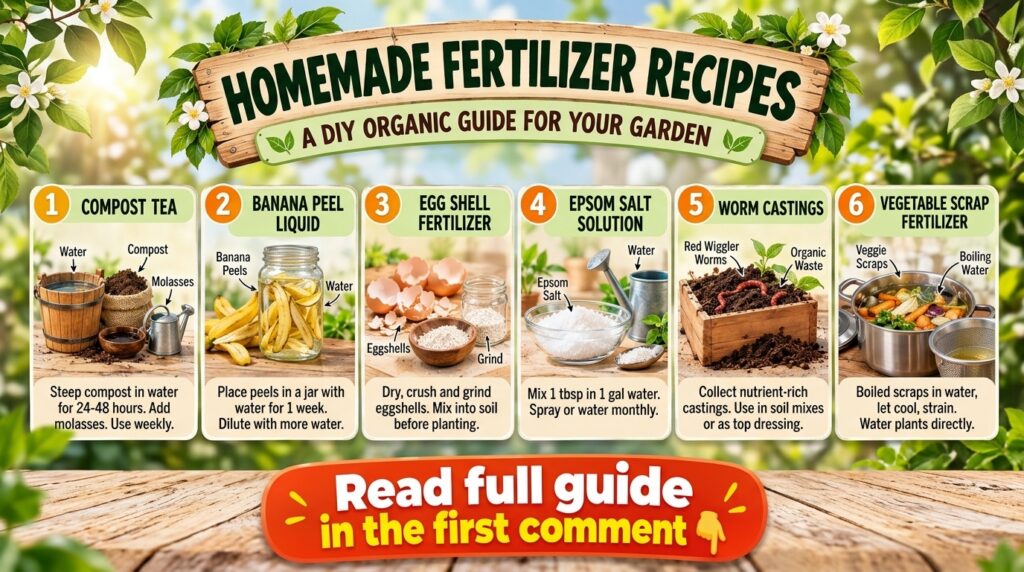
Beyond eggshells, many other kitchen scraps and household items can be transformed into nutrient-rich fertilizers. The infographic above provides a quick overview, but here are a few more popular options:
Compost Tea
Compost tea is essentially a liquid extract of beneficial microorganisms and nutrients from finished compost. It acts as a natural soil conditioner and fertilizer, providing a quick nutrient boost to plants while also improving soil structure and microbial activity. Simply steep mature compost in water for a day or two, then strain and use the liquid.
Banana Peel Liquid
Banana peels are packed with potassium, a vital nutrient for flowering and fruiting plants. To make a liquid fertilizer, chop banana peels and soak them in water for a few days. Dilute the liquid and use it to water your plants, especially those that are blooming or producing fruit.
Epsom Salt Solution
While not a traditional fertilizer, Epsom salt (magnesium sulfate) provides magnesium and sulfur, which are essential for chlorophyll production and overall plant health. Dissolve a tablespoon of Epsom salt in a gallon of water and use it to water plants that show signs of magnesium deficiency (like yellowing leaves between green veins).
General Tips for Using Homemade Fertilizers
Using homemade fertilizers is a fantastic way to care for your garden, but a few best practices will ensure optimal results:
- Don’t Overdo It: While natural, too much of a good thing can still be detrimental. Start with smaller amounts and observe your plants’ reactions.
- Dilution is Key: For liquid fertilizers like compost tea or banana peel liquid, ensure proper dilution to avoid overwhelming your plants.
- Consistency: Regular, moderate application is more beneficial than infrequent, heavy doses.
- Observe Your Plants: Pay attention to your plants. Their growth, leaf color, and overall vigor will tell you if they are happy with their nutrient supply.
Embracing homemade fertilizers is a rewarding step towards a more sustainable and vibrant garden. You’ll not only provide your plants with essential nutrients but also contribute to reducing waste and nurturing the environment. Happy gardening!