Are you looking to give your immune system a natural boost? Vitamin C is a powerhouse nutrient known for its incredible health benefits, from supporting immunity to promoting radiant skin. While many foods contain this essential vitamin, some fruits stand out as true champions.
In this article, we’ll dive into the world of Vitamin C-rich fruits, highlighting four superstars: guava, kiwi, strawberry, and orange. You’ll learn about their amazing benefits, compare their Vitamin C content, and discover easy ways to incorporate them into your daily diet. Get ready to supercharge your health with the goodness of fruit!
The Incredible Benefits of Vitamin C
Vitamin C, also known as ascorbic acid, is an essential nutrient that our bodies can’t produce on their own. This means we need to get it from our diet. It plays a crucial role in numerous bodily functions.
- Immune System Support: Vitamin C is well-known for helping to strengthen your immune system, making your body more resilient against illnesses. It encourages the production of white blood cells, which are key to fighting infections.
- Powerful Antioxidant: As a potent antioxidant, Vitamin C helps protect your cells from damage caused by free radicals. This may help reduce the risk of chronic diseases.
- Collagen Production: It’s vital for the synthesis of collagen, a protein essential for healthy skin, hair, nails, bones, and blood vessels. Adequate Vitamin C can lead to healthier, more radiant skin.
- Iron Absorption: Vitamin C significantly enhances the absorption of non-heme iron (iron from plant-based foods), which is especially beneficial for vegetarians and vegans.
- Wound Healing: Its role in collagen formation also makes it crucial for the repair of tissues and the healing of wounds.
Top Vitamin C Fruit Powerhouses
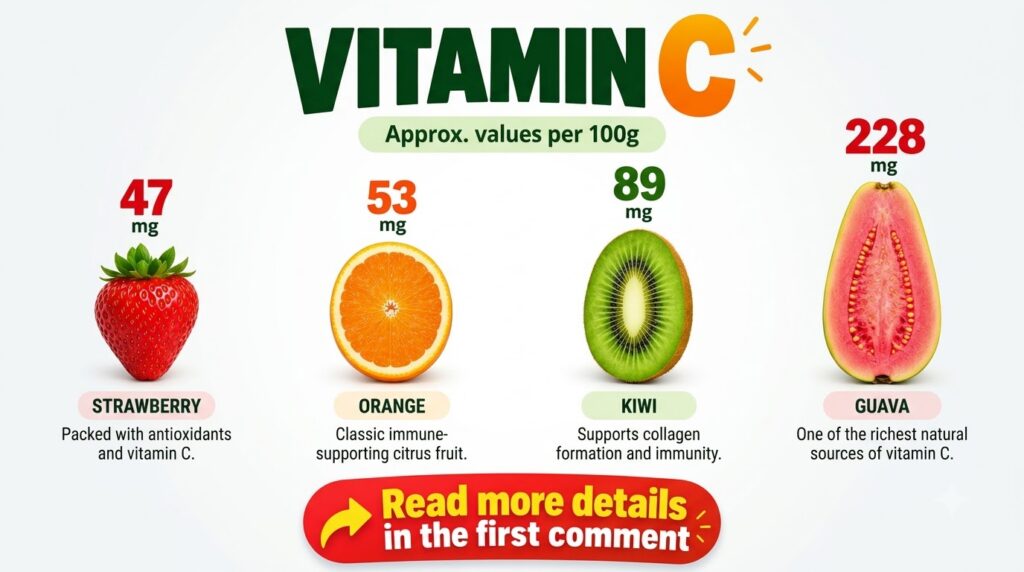
While many fruits offer Vitamin C, some truly shine. Here’s a closer look at four of the best, along with their approximate Vitamin C content per 100 grams.
Vitamin C Content Comparison (per 100g)
| Fruit | Approx. Vitamin C (mg) | Best Benefit |
|---|---|---|
| Guava | 228 | Immune Support, Antioxidant |
| Kiwi | 93 | Digestive Health, Skin Health |
| Strawberry | 59 | Heart Health, Antioxidant |
| Orange | 53 | Immune Boost, Collagen Support |
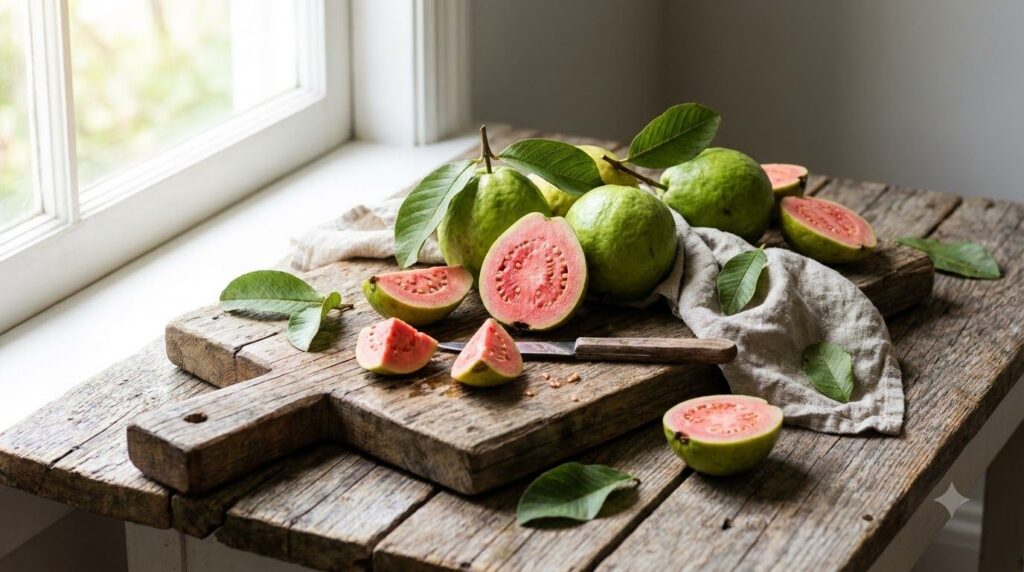
Guava: The Tropical Champion
Often overlooked, guava is a true Vitamin C superstar, boasting significantly more than many other common fruits. This tropical fruit is not only packed with Vitamin C but also fiber and antioxidants.
- How to Enjoy: Eat it fresh, add to smoothies, or make a delicious jam.
Kiwi: The Fuzzy Green Gem
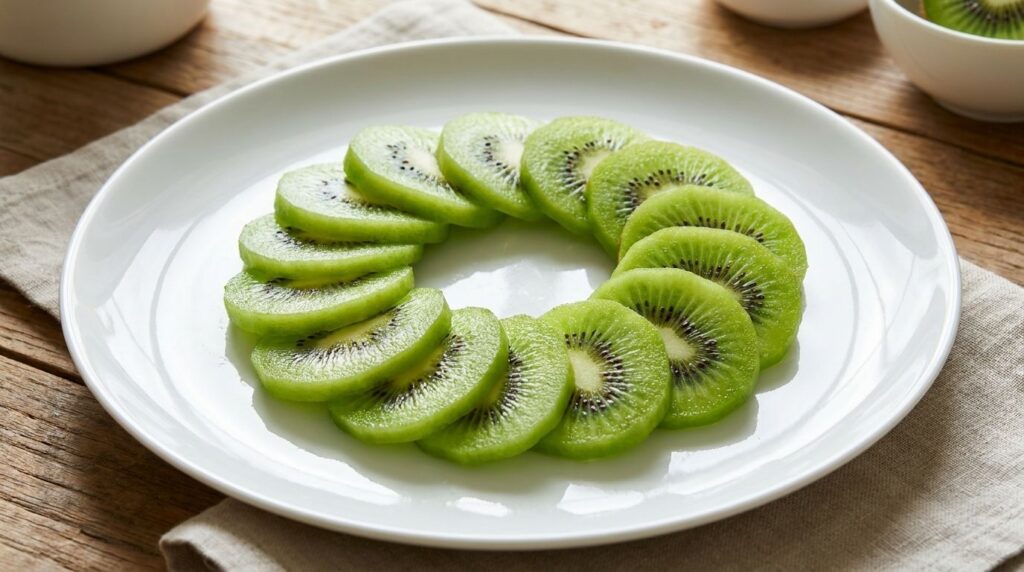
Small but mighty, kiwi fruit delivers a substantial amount of Vitamin C along with Vitamin K and dietary fiber. Its unique sweet-tart flavor makes it a refreshing choice.
- How to Enjoy: Slice it into salads, add to yogurt, or eat it as a simple snack.
Strawberry: The Sweet Red Berry
These juicy, sweet berries are a favorite for good reason! Strawberries provide a healthy dose of Vitamin C, manganese, and powerful antioxidants, making them great for heart health and skin.
- How to Enjoy: Perfect in fruit salads, smoothies, oatmeal, or simply on their own.

Orange: The Classic Citrus
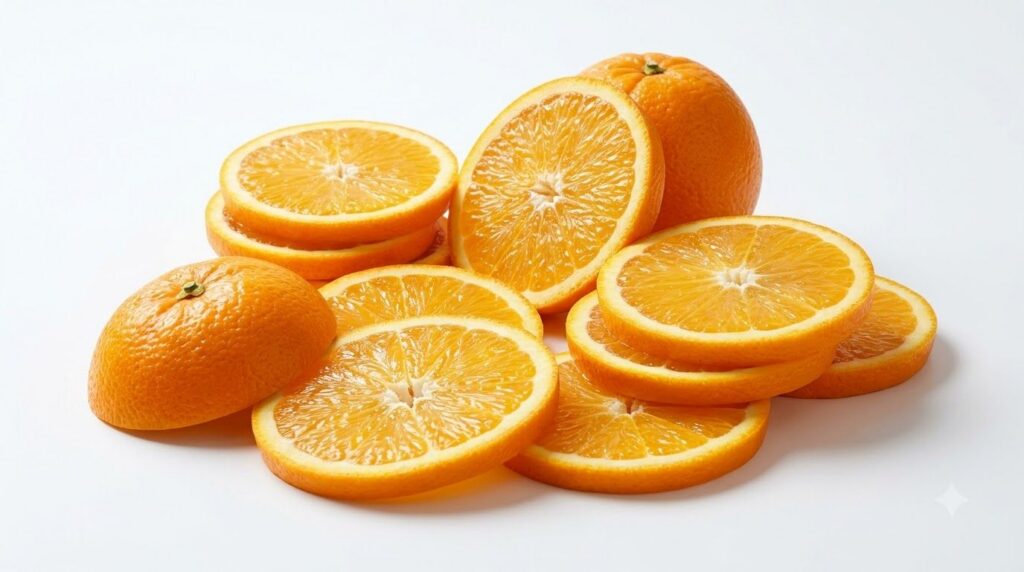
When you think of Vitamin C, oranges are often the first fruit that comes to mind. A classic choice, oranges are hydrating and provide a good amount of Vitamin C, plus other important nutrients and antioxidants.
- How to Enjoy: Peel and eat, squeeze for fresh juice, or add segments to salads.
Best Ways to Eat More Vitamin C Fruits
Getting more Vitamin C into your diet can be delicious and easy. Here are some practical tips:
- Start Your Day with a Smoothie: Blend a handful of strawberries, a kiwi, or some orange segments with yogurt and a splash of milk for a quick, nutritious breakfast.
- Snack Smart: Keep a bowl of fresh fruit, like guavas or oranges, readily available for a healthy pick-me-up.
- Elevate Your Salads: Add sliced strawberries or kiwi to green salads for a burst of flavor and nutrients.
- Infused Water: Drop orange slices or berries into your water bottle for a refreshing and healthy hydration boost.
- Dessert Naturally: Enjoy fresh fruit as a natural, healthy dessert instead of processed sweets.
Potential Risks and Considerations
While Vitamin C is generally safe, it’s always good to be aware of potential considerations:
- High Doses: Very high doses of Vitamin C supplements (often much more than what you’d get from food) can sometimes lead to digestive upset like diarrhea, nausea, and stomach cramps. Sticking to food sources typically avoids these issues.
- Kidney Stones: In individuals prone to kidney stones, extremely high doses of Vitamin C may increase the risk of oxalate stone formation. This is rare and usually associated with supplements.
- Interaction with Medications: If you are on specific medications, especially those for blood thinning or cancer treatment, it’s wise to consult your doctor about Vitamin C intake.
For most people, enjoying a variety of Vitamin C-rich fruits as part of a balanced diet is safe and highly beneficial.
FAQs About Vitamin C and Fruits
Q: Can cooking destroy Vitamin C in fruits?
A: Yes, Vitamin C is sensitive to heat and light. Prolonged cooking or high temperatures can reduce its content. Eating fruits raw or lightly cooked helps preserve this nutrient.
Q: How much Vitamin C do adults need daily?
A: The recommended daily intake for most adult men is 90 mg, and for adult women, it’s 75 mg. Smokers require an additional 35 mg per day.
Q: Are frozen fruits as good as fresh for Vitamin C?
A: Absolutely! Frozen fruits are often picked at their peak ripeness and flash-frozen, locking in their nutrients, including Vitamin C. They can be just as nutritious as fresh.
Q: Can I get enough Vitamin C from just one type of fruit?
A: While a single fruit like guava can provide a significant amount, it’s best to consume a variety of fruits and vegetables to ensure a broad spectrum of nutrients.
Q: Does Vitamin C help with colds?
A: Research suggests that while Vitamin C may not prevent colds, it might help reduce the duration and severity of cold symptoms, especially for individuals under physical stress.
Q: What are some signs of Vitamin C deficiency?
A: Signs can include fatigue, swollen and bleeding gums, easy bruising, rough skin, and slow wound healing. Severe deficiency leads to scurvy, but this is rare in developed countries.
Conclusion
Embracing the power of Vitamin C-rich fruits like guava, kiwi, strawberries, and oranges is a delicious and effective way to support your overall health. From boosting your immunity to keeping your skin glowing, these vibrant fruits offer a wealth of benefits.
Make them a regular part of your diet by adding them to smoothies, enjoying them as snacks, or incorporating them into your meals. Your body will thank you for it!
This content is for educational purposes only and should not be considered medical advice. Consult a qualified healthcare professional for personalized dietary recommendations.