Many beauty enthusiasts are turning to simple, natural remedies, and DIY rice water ice cubes have become a popular choice for their potential skin-supporting benefits. This traditional ingredient, combined with the refreshing power of cold therapy, may help you achieve a fresher, more radiant-looking complexion.
Quick Recipe
Prep time: 10 minutes + 4-6 hours freezing
Best for: Dullness, uneven skin tone, visible pores, fine lines
Use type: Topical ice cube facial
Main ingredients:
- White rice
- Filtered water
Ingredients
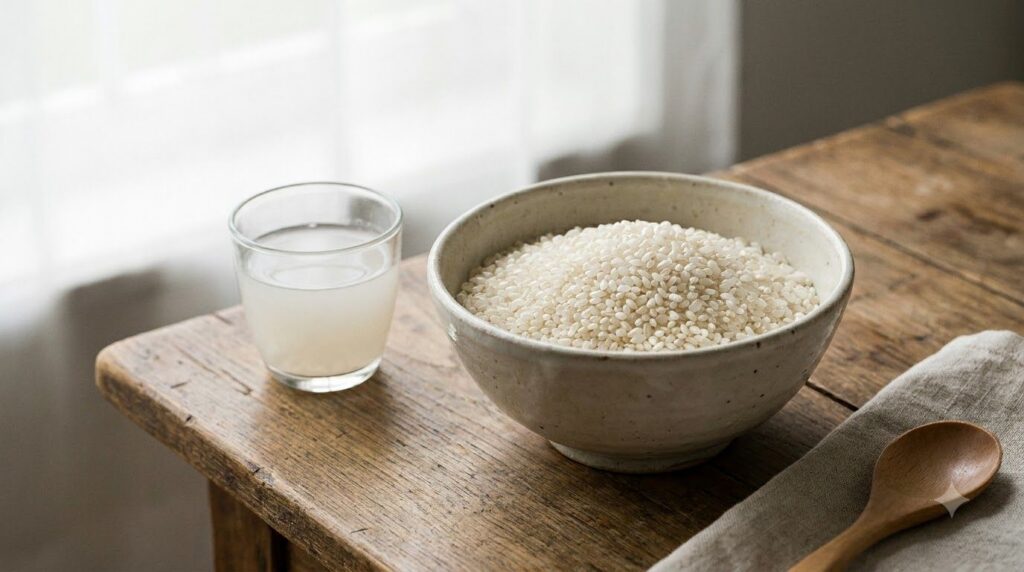
- 1/2 cup white rice (any type)
- 2 cups filtered water
- Ice cube tray
How to Make It
- Rinse the rice: Place the rice in a bowl and rinse it thoroughly under cold running water 2-3 times until the water runs clearer. This helps remove impurities.
- Soak the rice: After rinsing, add 2 cups of filtered water to the bowl with the rice. Let it soak for at least 30 minutes, or up to 2 hours. Some prefer to let it soak overnight for a more potent water.
- Strain the water: Gently stir the rice and water mixture. Strain the rice water into a clean bowl or container, separating the rice grains. The milky-white liquid is your rice water.
- Pour into tray: Carefully pour the rice water into an ice cube tray.
- Freeze: Place the ice cube tray in the freezer for at least 4-6 hours, or until the cubes are completely solid.

How to Use It
- Cleanse your face: Start with a clean face. Wash your face with your usual gentle cleanser and pat it dry.
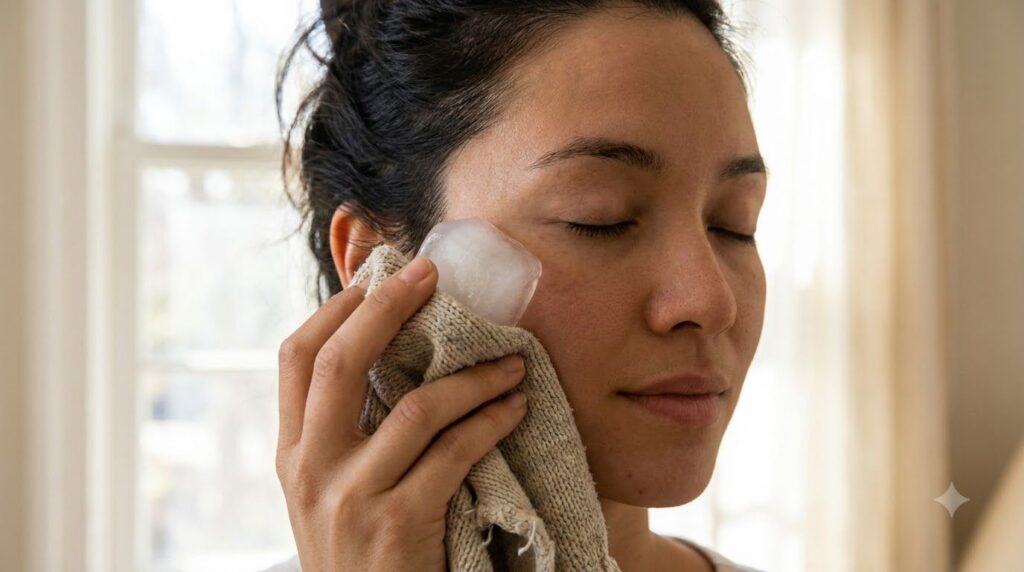
- Wrap the ice cube: Take one rice water ice cube from the freezer. For sensitive skin, or to protect your hands, you can wrap the ice cube in a thin cloth or a piece of gauze.
- Gently massage: Gently rub the ice cube over your face in circular motions. Focus on areas of concern like the T-zone, cheeks, and areas with dullness or visible pores. Keep the ice cube moving to avoid prolonged contact in one spot.
- Continue for 1-2 minutes: Continue the massage for about 1 to 2 minutes, or until the ice cube has largely melted. You’ll feel a refreshing sensation.
- Air dry or pat: Let your face air dry, allowing the rice water to absorb into your skin, or gently pat it dry with a clean towel.
- Follow with moisturizer: Finish your routine with your favorite serum and moisturizer to lock in hydration.
How Often to Use It
You can incorporate rice water ice cubes into your routine 3-4 times a week, or as desired, depending on your skin’s response. Listen to your skin and adjust frequency as needed.
Why These Ingredients Are Used
Rice Water
Rice water is a traditional beauty ingredient, particularly popular in Asian skincare. It’s thought to be rich in vitamins (like B and E), minerals, and amino acids. These components are believed to help support skin hydration, a brighter-looking complexion, and may contribute to a smoother skin feel. It’s also traditionally used to help minimize the appearance of pores.
Cold Therapy
Applying cold to the skin, often known as cryotherapy, can have a refreshing effect. It may help to temporarily soothe the skin, reduce the appearance of puffiness, and give the skin a more toned, refreshed look. The cold can also help to temporarily minimize the appearance of pores.
What Results to Expect
Regular use of rice water ice cubes may help support a fresher, more radiant-looking complexion. Over time, you might notice skin that feels softer and appears more even in tone. This remedy can help improve the appearance of dullness, visible pores, and fine lines, contributing to a youthful glow. Remember, individual results can vary, and consistency is key.
Safety Notes
- Patch test first: Always perform a patch test on a small, inconspicuous area of skin (like behind your ear or on your inner arm) before applying to your entire face, especially if you have sensitive skin.
- Use gently: Apply the ice cube with light pressure. Do not rub vigorously.
- Avoid prolonged contact: Keep the ice cube moving and do not hold it on one spot for too long to prevent ice burn.
- Avoid irritated or broken skin: Do not use rice water ice cubes on skin that is irritated, broken, sunburned, or has active acne lesions.
- Stop using it if discomfort occurs: If you experience any redness, irritation, excessive dryness, or discomfort, discontinue use immediately.
- Allergy caution: While rice water is generally mild, it’s possible to have an allergy. If you know you’re sensitive to rice or any of its components, avoid this remedy.
FAQ
Can I use any type of rice for rice water?
Yes, you can use almost any type of white rice, such as jasmine, basmati, or sushi rice. Brown rice can also be used, but white rice is often preferred for its smoother texture.
How long can I store rice water ice cubes?
Rice water ice cubes can be stored in an airtight container in the freezer for up to 1-2 weeks. Beyond that, the potency may diminish, and there’s a slight risk of bacterial growth, though freezing generally mitigates this.
Will rice water ice cubes clog my pores?
When used correctly, rice water ice cubes are unlikely to clog pores. In fact, many users find that the gentle exfoliation and soothing properties of rice water, combined with the cold, can actually help with the appearance of pores. Ensure you rinse your rice thoroughly before soaking.
Final Thoughts
Incorporating DIY rice water ice cubes into your beauty routine offers a refreshing and natural approach to skincare. With consistent use, you can help support a more radiant, smoother, and healthier-looking complexion. Give this simple remedy a try and see how your skin responds!