Don’t Throw Away Your Eggshells! Discover Their Garden Superpowers
Gardening is all about finding natural, sustainable ways to nurture our plants and soil. What if we told you that one of the most powerful — and often overlooked — resources for a thriving garden is already in your kitchen? We’re talking about eggshells! Yes, those seemingly humble shells you usually toss into the trash can be a game-changer for your plants. They’re packed with calcium and offer a surprising array of benefits that can lead to stronger, healthier plants and more abundant harvests.
Many gardeners face challenges like blossom end rot on tomatoes, weak stems, or pest problems. Eggshells provide a simple, organic solution to many of these common issues. Let’s dive into how these kitchen scraps can transform your garden from good to absolutely glorious!
Why Are Eggshells So Good for Your Garden?
The magic of eggshells lies primarily in their composition: they are about 95% calcium carbonate. Calcium is a vital macronutrient for plants, playing a crucial role in cell wall development, nutrient uptake, and overall plant strength. Here’s a quick breakdown of their benefits:
- Calcium Boost: Prevents common deficiencies like blossom end rot in fruiting vegetables.
- Soil Aeration: Crushed eggshells can improve soil structure, especially in heavy clay soils.
- Pest Deterrent: The sharp edges of crushed eggshells can deter slugs and snails from munching on your tender plants.
- pH Buffer: While not a rapid pH changer, they can gently buffer acidic soils over time.
Preparing Eggshells for Garden Use
Before adding eggshells to your garden, a little preparation goes a long way:
- Clean Them: Rinse eggshells thoroughly to remove any egg residue. This prevents attracting pests or causing unpleasant odors.
- Dry Them: Air dry them or bake them at a low temperature (e.g., 200°F/90°C) for 10-15 minutes. Drying makes them easier to crush and sterilizes them.
- Crush Them: The finer you crush them, the faster they will break down and release their calcium. You can use a blender, food processor, or simply place them in a bag and crush them with a rolling pin.
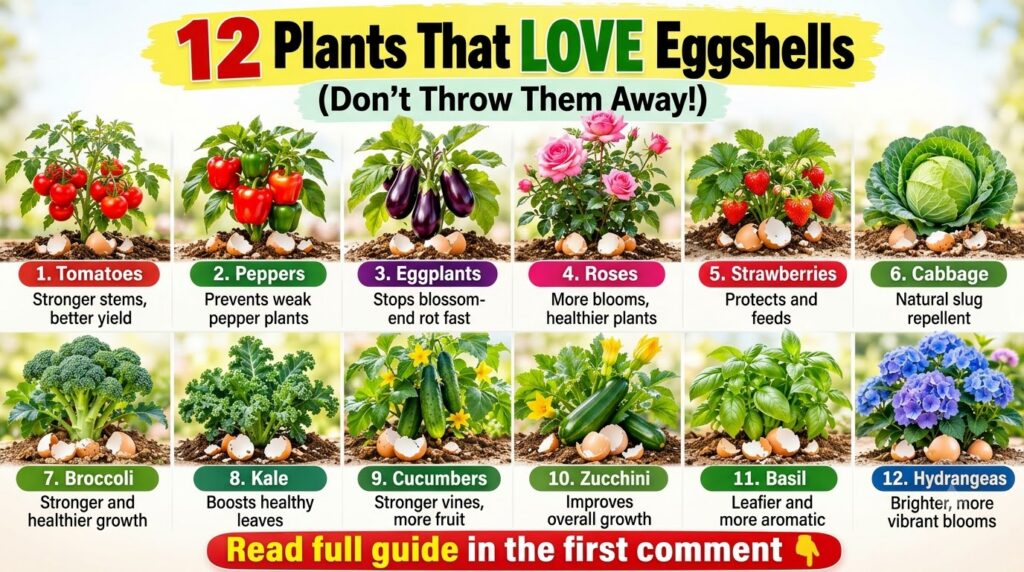
12 Plants That Absolutely Love Eggshells
While many plants can benefit from eggshells, some truly thrive with this calcium-rich supplement. Here are 12 of our favorites:
Vegetables & Herbs: The Blossom End Rot Fighters
- Tomatoes: The most famous beneficiary! Calcium prevents blossom end rot, a common issue where the bottom of the fruit turns black and leathery.
- Peppers: Similar to tomatoes, peppers can suffer from blossom end rot, making eggshells a fantastic preventative measure.
- Eggplants: These heat-loving plants also appreciate the calcium boost for fruit development and to ward off deficiencies.
- Cabbage & Broccoli: Leafy greens and brassicas benefit from stronger cell walls, which calcium provides, leading to healthier, more robust plants.
- Kale: Like its cruciferous cousins, kale will grow stronger and more resistant to certain stresses with adequate calcium.
- Cucumbers & Zucchini: These prolific producers can also experience blossom end rot; eggshells can help ensure a bountiful, blemish-free harvest.
- Basil: While not prone to blossom end rot, basil benefits from overall stronger growth and healthier foliage with an extra calcium kick.
Fruits & Flowers: For Beauty and Sweetness
- Strawberries: Calcium is crucial for healthy fruit development. Eggshells can help prevent soft spots and improve the firmness of your berries.
- Roses: Strong stems and vibrant blooms are a rose gardener’s dream. Calcium contributes to both, leading to more resilient and beautiful roses.
- Hydrangeas: While often associated with soil pH for color, hydrangeas benefit from overall nutrient availability. Stronger stems and healthier root systems are a plus.
How to Apply Eggshells to Your Garden
Once prepared, here are a few ways to incorporate eggshells into your garden:
- Soil Amendment: Mix crushed eggshells directly into the soil when planting new seedlings or preparing beds.
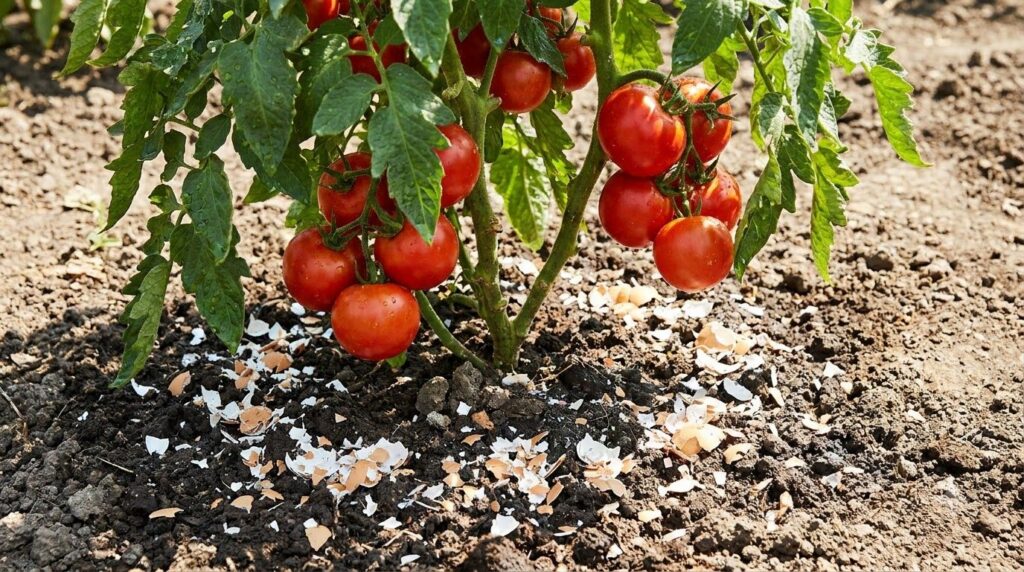
- Top Dressing: Sprinkle crushed eggshells around the base of existing plants. They will slowly break down and release nutrients.
- Compost: Add crushed eggshells to your compost pile. They contribute valuable minerals to your finished compost.
- Seed Starting: Use whole eggshell halves as biodegradable seed starting pots! Just poke a drainage hole at the bottom.
Give Your Garden the Eggshell Advantage!
Embracing eggshells in your gardening routine is a simple, effective, and eco-friendly way to boost your plants’ health and vitality. By preventing common deficiencies and naturally deterring pests, you’ll be well on your way to a more productive and beautiful garden. So next time you crack an egg, remember its potential and give your garden a treat!
Have you tried using eggshells in your garden? Share your tips and success stories in the comments below!