You’ve seen the videos, felt the anticipation, and maybe even tried it yourself: dropping a common white powder into a glass of Coca-Cola. The result is often an immediate, vigorous, and surprisingly lively eruption of fizz and foam! It’s a classic viral moment that sparks curiosity, but what exactly is happening in that glass? Is it a magical cleaning hack, a powerful science experiment, or just a fun way to create a fizzy mess? Let’s dive into the fascinating chemistry behind this everyday phenomenon.
The Unexpected Reaction: A Burst of Bubbles
When you combine baking soda, our mysterious ‘common white powder,’ with Coca-Cola, the reaction is almost instantaneous. A cascade of bubbles rapidly forms, rising to create a foamy head that can quickly overflow its container if you’re not careful. It’s a dynamic display, often more intense than simply shaking the soda bottle. This isn’t just a physical reaction; it’s a genuine chemical transformation happening right before your eyes.
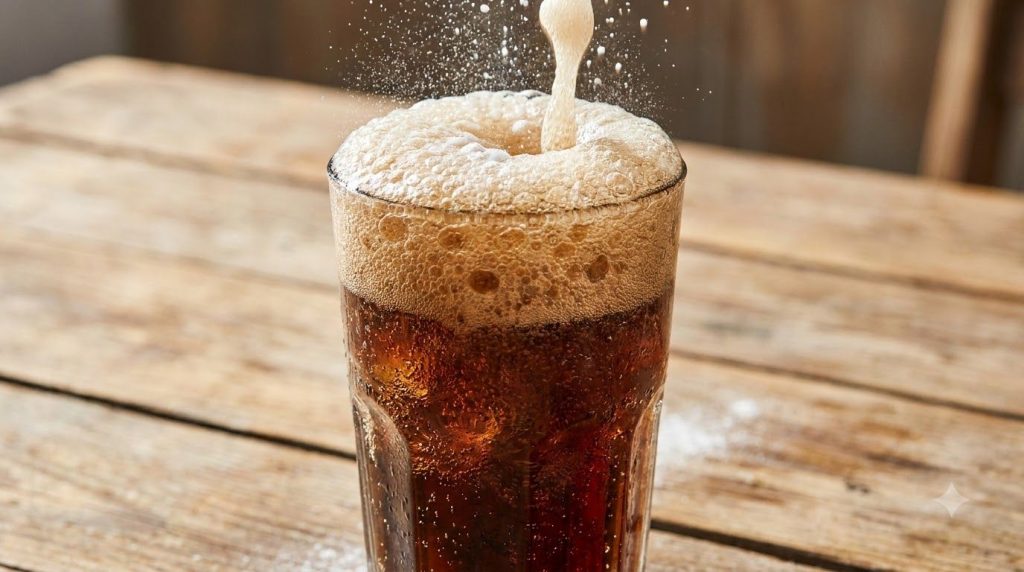 Witness the surprising fizz as baking soda meets Coca-Cola.
The Science Unpacked: An Acid-Base Showdown
The intense fizz you observe is the result of a classic acid-base reaction. Here’s a simple breakdown:
The Acid: Coca-Cola
- Coca-Cola, like many sodas, is acidic. Its acidity comes primarily from carbonic acid (formed when carbon dioxide dissolves in water) and phosphoric acid. These acids are crucial players in the fizzy reaction.
The Base: Baking Soda
- Baking soda, scientifically known as sodium bicarbonate (NaHCO₃), is a mild alkali or base. Bases are substances that react with acids to neutralize them.
When these two meet, the sodium bicarbonate reacts with the acids in the Coca-Cola. This reaction produces carbon dioxide (CO₂) gas, water (H₂O), and a salt. The carbon dioxide gas is what creates all those exciting bubbles, much like the gas released when you open a fresh bottle of soda, but in a much more accelerated and dramatic fashion due to the direct chemical interaction.
Why is the reaction so vigorous?
The high concentration of both the acid in the soda and the baking soda, combined with the presence of multiple acids in the cola, allows for a rapid and efficient production of CO₂ gas. This rapid release of gas causes the dramatic foaming and bubbling effect, far exceeding what happens when you just shake a bottle of soda.
Beyond the Fizz: Practical DIY Uses and Fun Experiments
While the initial reaction is entertaining, understanding this acid-base dynamic has practical applications around the house:
Household Cleaning
- Baking soda is a renowned natural cleaner and odor neutralizer. When combined with acidic substances like vinegar (another common household acid) or even cola, it can be used to scrub surfaces, clean drains, or remove grime. The effervescence helps to lift dirt and dislodge particles, making cleaning easier. For example, a sprinkle of baking soda followed by a pour of cola can help clear minor clogs in drains, though it’s not a substitute for professional plumbing services for serious blockages.
Kid-Friendly Science Experiments
- This reaction is a safe and exciting way to introduce children to basic chemistry concepts. Think of the classic baking soda and vinegar volcano experiment; using Coca-Cola offers a similar, albeit slightly different, acidic medium for an educational and fun project. Always ensure adult supervision for such activities.
Safety First: Important Considerations
While mixing baking soda and Coca-Cola is generally safe for simple experiments and cleaning, there are a few things to keep in mind:
- Not for Ingestion: While both components are food-grade individually, mixing them and consuming the large quantities of CO₂ produced is not advisable. It can cause digestive discomfort.
- Beware of Overflows: Always perform this experiment in a large container or over a sink, especially if using a significant amount of baking soda, as the foam can expand rapidly and overflow.
- Identify Your Powder: Ensure you are using actual baking soda. Never experiment with unknown white powders, as they could be hazardous.
- Ventilation: While CO₂ is not highly toxic in small, open-air environments, good ventilation is always a good practice during any chemical experiment.
Unleashing the Inner Scientist
The everyday items in our pantry often hold surprising scientific secrets. The dramatic fizz created by mixing Coca-Cola and baking soda is a perfect example of a simple yet powerful chemical reaction. It’s a reminder that science is all around us, waiting to be explored, whether for a fun experiment with the kids or an eco-friendly cleaning solution. So go ahead, experiment safely, and marvel at the magic of chemistry!