In the vast world of internet trends, curiosity often sparks the most unexpected concoctions. One such intriguing mix that has captured the attention of many DIY enthusiasts and curious minds is the combination of toothpaste and cola. You’ve likely seen the videos or heard the whispers: “What happens when you mix toothpaste and cola?” It sounds like a bizarre challenge, doesn’t it? But beyond the viral buzz, there’s often a fascinating bit of science at play. Let’s dive into what actually happens in this unique kitchen chemistry experiment and what we can learn from it.
The Unexpected Concoction: What Happens When Toothpaste Meets Cola?
At first glance, mixing something designed to clean your teeth with a sugary, carbonated beverage seems utterly counterintuitive. Yet, when you combine them, you’re in for a mild, yet visually interesting, reaction. Typically, pouring cola over toothpaste results in a fizzy, foamy eruption. The toothpaste might dissolve partially, creating a cloudy, sometimes colorful, mess that often overflows its container. It’s not explosive, but it’s certainly unexpected and can be quite messy!
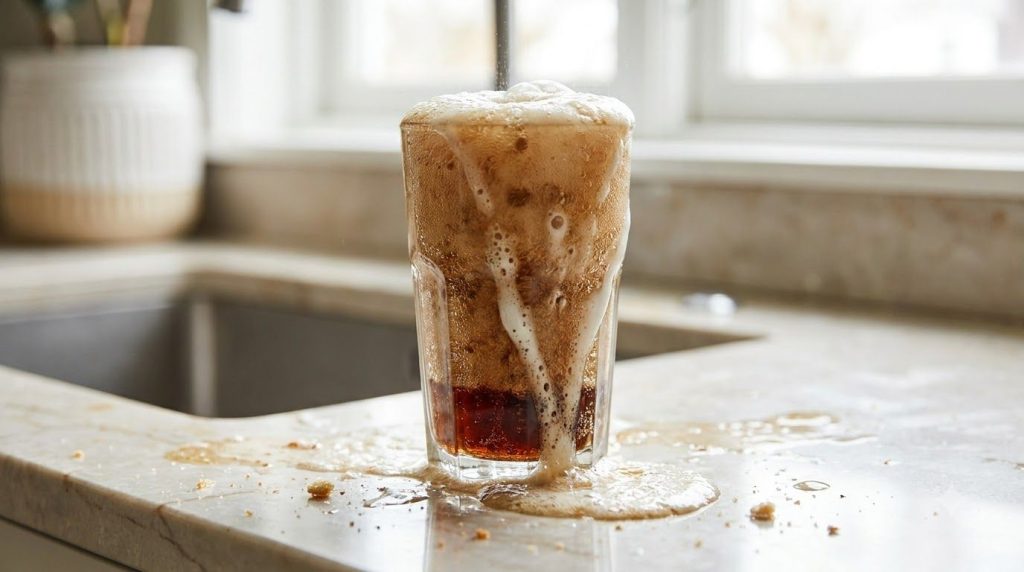 The intriguing reaction when toothpaste and cola meet, creating a frothy, bubbly foam.
The Science Behind the Fizz: Why Do They React?
To understand the fizz, we need to look at the ingredients in both toothpaste and cola.
Cola: The Acidic, Carbonated Catalyst
- Cola is a highly acidic drink, primarily due to phosphoric acid and carbonic acid (which gives it its fizz). It’s also carbonated, meaning it contains dissolved carbon dioxide gas. This gas is what creates those familiar bubbles.
Toothpaste: The Alkaline & Abrasive Cleaner
- Toothpaste, on the other hand, contains various ingredients, including abrasives (like hydrated silica) to scrub teeth, detergents or surfactants (like sodium lauryl sulfate – SLS) to create foam and clean, and sometimes baking soda (sodium bicarbonate), which is alkaline.
When these two meet, several things can happen:
- Acid-Base Reaction: If your toothpaste contains baking soda or other alkaline compounds, they will react with the acids in the cola. This classic acid-base reaction produces carbon dioxide gas, which adds to the existing carbonation of the cola, resulting in extra fizz and foam.
- Surfactant Action: The detergents (surfactants) in the toothpaste, like SLS, are designed to create foam and lather. When these come into contact with the carbonated cola, they can stabilize the gas bubbles, preventing them from bursting quickly and leading to a more substantial, longer-lasting foam. Think of it like adding soap to bathwater – more bubbles!
- Physical Disruption: The physical act of mixing the thick toothpaste with the liquid cola can also help release the dissolved carbon dioxide gas from the cola, contributing to the initial effervescence.
Is This a “Good” DIY Experiment? Safety and Utility
While the toothpaste and cola reaction is visually engaging, it’s essential to consider its practical value and safety. In terms of utility, this experiment doesn’t offer much beyond a momentary visual spectacle. It’s not something you’d want to taste (for obvious reasons!) and it can be quite messy to clean up.
From a safety standpoint, the primary concerns are:
- Ingestion: Never consume the mixture. Toothpaste contains ingredients not meant for internal consumption, and mixing it with cola creates an unappetizing and potentially harmful concoction.
- Mess: The foam can expand rapidly, so ensure you conduct this experiment in a large container or a sink to contain any overflow.
Overall, while it’s a harmless enough demonstration if done carefully, it serves more as a curiosity than a truly educational or useful DIY project.
Beyond the Buzz: Harnessing the Power of Home Science Responsibly
The fascination with “What if?” experiments like toothpaste and cola highlights our innate curiosity. This is a wonderful trait, and home science can be a fantastic way to explore the world around us. However, it’s crucial to approach DIY experiments with a responsible mindset, prioritizing safety and educational value.
Instead of merely creating a mess for a viral moment, consider experiments that teach fundamental scientific principles, like:
- Baking Soda Volcano: A classic for a reason! Mixing baking soda (base) and vinegar (acid) creates a dramatic CO2 eruption, perfect for illustrating acid-base reactions.
- Growing Crystals: Explore supersaturated solutions and crystal formation using sugar, salt, or borax.
- Density Towers: Layer different liquids (honey, dish soap, water, oil) to visually demonstrate varying densities.
- Homemade Slime: A fun polymer experiment that teaches about material science and non-Newtonian fluids.
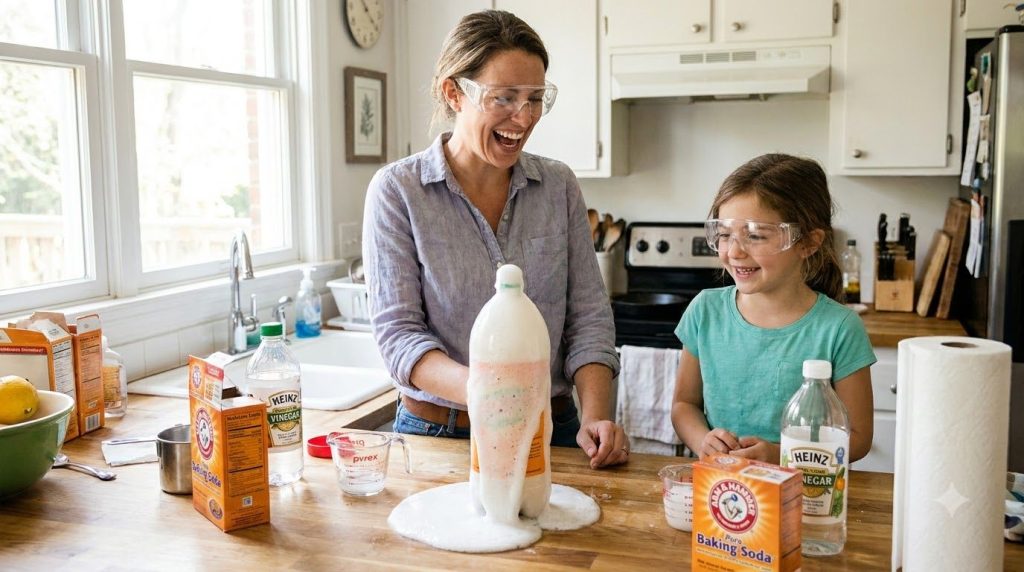 Engaging in safe and educational home science experiments can be a truly enriching experience for all ages.
The Takeaway: Curiosity is Key, But So is Knowledge
The toothpaste and cola experiment is a quirky reminder of how everyday items can interact in surprising ways. It’s a testament to our natural curiosity and the power of simple chemical reactions. While not the most profound scientific endeavor, it can spark a conversation about acids, bases, surfactants, and the importance of safety in any home experiment.
So, next time you’re wondering “what if?”, embrace that curiosity! But also take a moment to research the science, understand the potential reactions, and ensure your DIY explorations are both fun and safe. Happy experimenting!