Most people only think about the sweet fruit of the fig tree, tossing aside its large, aromatic leaves. But what if those forgotten leaves held the key to crafting a truly unique spirit right in your own kitchen? That’s right – fig leaves, often overlooked, are a treasure trove of nuanced flavor waiting to be infused into your next botanical creation: homemade fig leaf gin.
Forget standard gin and tonics. This simple DIY project transforms a common garden leaf into a sophisticated, earthy, and slightly coconut-scented spirit that will elevate your cocktail game. One small preparation mistake, however, can ruin the whole batch, so pay close attention to the details.
What is Fig Leaf Gin?
Fig leaf gin is an aromatic spirit made by infusing fresh fig leaves into a neutral, high-proof alcohol, typically gin or vodka. The leaves impart a distinctive flavor profile often described as green, earthy, creamy, with notes of coconut, vanilla, and sometimes even a hint of pistachio. Unlike the fruit, the leaves offer a more subtle, herbaceous complexity that complements the botanicals already present in a good gin, or stands out beautifully in a neutral base spirit.
This infusion is a fantastic way to capture the essence of late summer and early fall in a bottle, providing a unique ingredient for your home bar. It’s not just about making alcohol; it’s about culinary exploration and utilizing every part of a plant that nature offers.
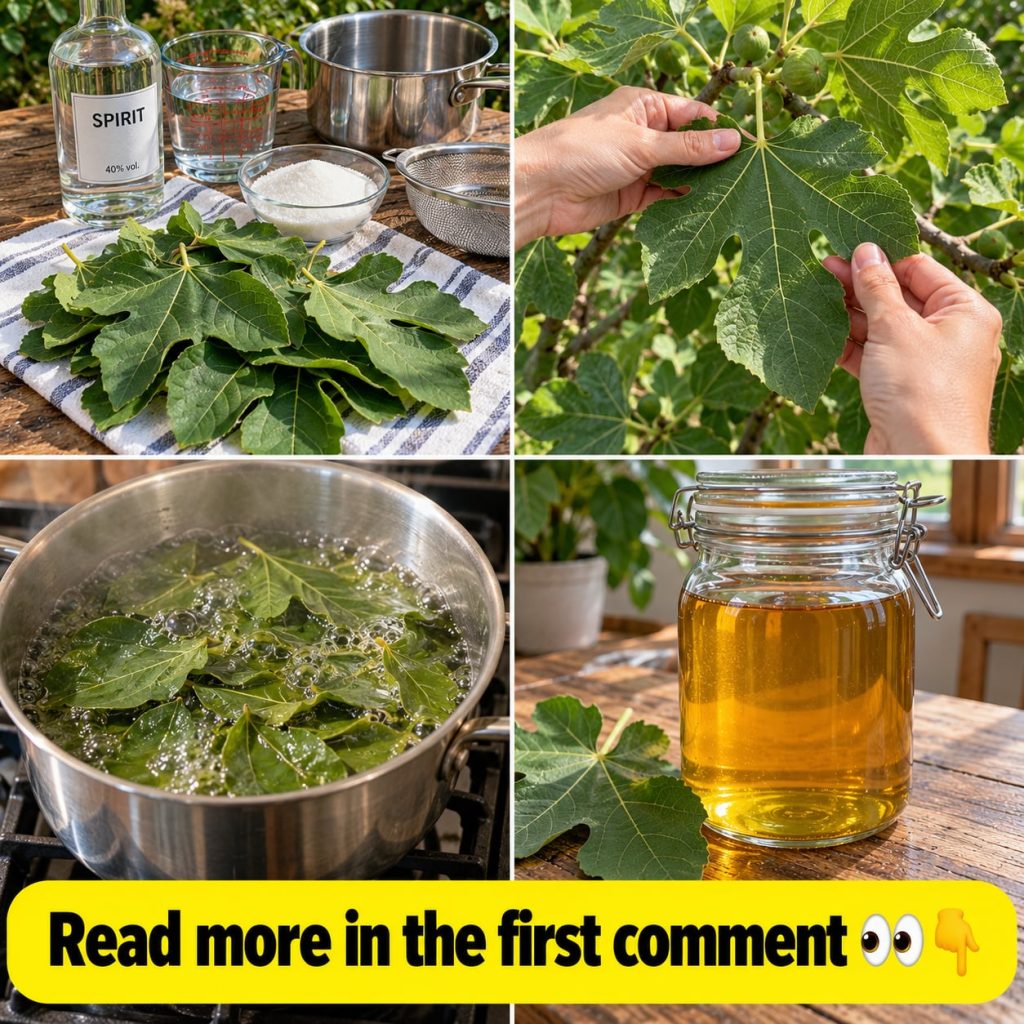
Ingredients You’ll Need
Crafting your own fig leaf gin requires surprisingly few ingredients, focusing on quality and freshness.
- Fresh Fig Leaves: Approximately 10-15 large, healthy, unblemished leaves. Ensure they are free from pesticides or any chemical sprays.
- Base Spirit: 750ml (1 standard bottle) of high-quality, neutral gin or unflavored vodka. A good quality, clean-tasting spirit will allow the fig leaf flavor to shine through.
- Optional Sweetener (to taste): 1-2 tablespoons of simple syrup (equal parts sugar and water, heated until dissolved and cooled) or a teaspoon of honey, if you prefer a slightly sweeter finish.
Approximate Measurements
- Fig Leaves: 10-15 large leaves (about 50-70 grams total weight).
- Base Spirit: 750 ml.
- Infusion Time: 3-7 days.
- Resting Time (after straining): 1-2 weeks for flavors to meld.
The Fig Leaf Gin Formula / Recipe
The core of this recipe is a simple infusion. The key is to extract the rich aromatics from the leaves without introducing bitterness or over-extraction. Think of it as a cold brew for your spirits.
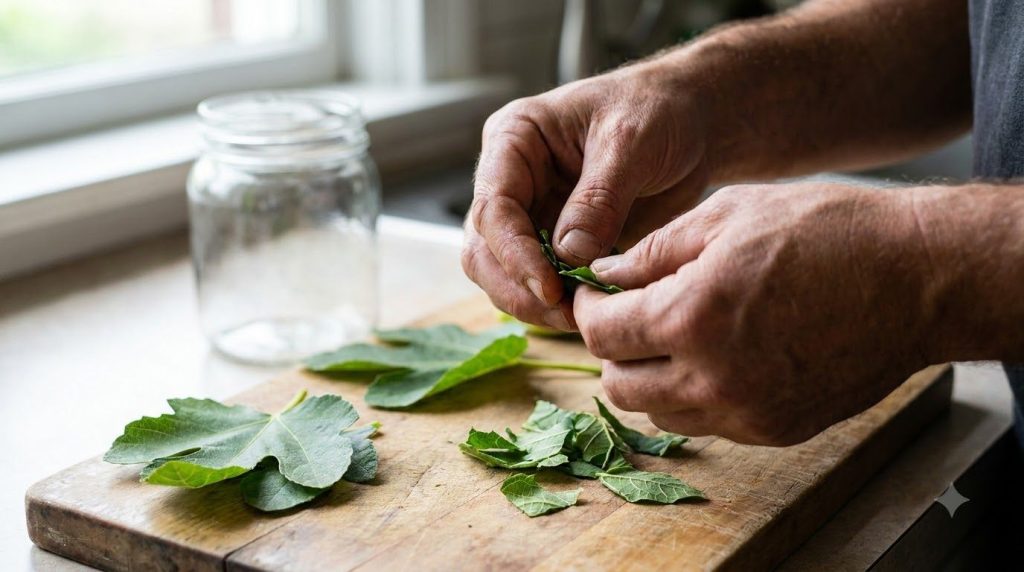
Step-by-Step Method: Crafting Your Gin
-
Prepare the Fig Leaves:
Gently wash the fig leaves under cool running water to remove any dust or insects. Pat them completely dry with a clean cloth or paper towels. Excess water can dilute your spirit and potentially introduce unwanted elements. Once dry, tear or chop the leaves into smaller pieces. This increases the surface area for infusion and helps release their aromatic compounds more effectively.
-
Combine & Infuse:
Place the torn fig leaves into a clean, airtight glass jar or bottle. Pour the 750ml of your chosen base spirit over the leaves, ensuring they are fully submerged. Seal the jar tightly.
-
Infusion Time & Location:
Store the sealed jar in a cool, dark place, away from direct sunlight. Allow the mixture to infuse for 3 to 7 days. Check the flavor daily after day 3 by carefully tasting a small amount. The ideal infusion time can vary depending on the freshness of your leaves and your desired intensity of flavor. You’re looking for a pronounced fig leaf aroma and taste without any grassy or bitter notes.
-
Strain the Infusion:
Once the desired flavor is achieved, strain the liquid. Use a fine-mesh sieve lined with cheesecloth or a coffee filter to remove all leaf particles. Squeeze the leaves gently to extract any remaining liquid, but avoid over-squeezing, which can release bitter compounds.
-
Bottle & Rest:
Pour the infused fig leaf gin into a clean, sealable bottle. While it’s tempting to enjoy it immediately, allowing the gin to rest for at least 1-2 weeks will let the flavors meld and mellow, creating a more harmonious and complex spirit.
How to Use Your Homemade Fig Leaf Gin
This unique gin is incredibly versatile. It shines in classic gin cocktails where you want to add an unexpected twist. Try it in:
- Fig Leaf Gin & Tonic: Combine with a high-quality tonic water and garnish with a fresh fig slice or a fig leaf.
- Fig Leaf Martini: A subtle and sophisticated take on the classic.
- Fig Leaf Gimlet: A refreshing choice with lime juice and a touch of simple syrup.
- Sipping Neat: For true enthusiasts, enjoy it chilled to appreciate its full complexity.
Did You Know?
The distinctive ‘coconut’ aroma often found in fig leaves comes from a compound called coumarin, which is also responsible for the pleasant scent of freshly cut hay or vanilla. This is why fig leaf infusions have such a unique appeal.
How to Choose Your Fig Leaves and Base Spirit
The quality of your ingredients directly impacts the final product. Here’s how to ensure the best results:
Choosing Fig Leaves:
- Source: Ideally, use leaves from a fig tree you know is grown organically, free from pesticides or chemical sprays. If harvesting from a public space, ensure it’s safe.
- Freshness: Always use fresh, vibrant green leaves. Avoid any that are yellowing, damaged, or show signs of disease.
- Timing: Leaves harvested in late spring or early summer tend to be more tender and have a milder flavor. As the season progresses, they can become tougher and more intensely flavored.
Choosing a Base Spirit:
While you can use either gin or vodka, the choice will influence the final flavor profile.
| Base Spirit | Flavor Profile | Best For |
|---|---|---|
| Neutral Vodka | Allows the fig leaf flavor to be the star, pure and unadulterated. | Highlighting the unique coconut and green notes of the fig leaf. |
| Dry Gin | Adds a botanical complexity, with juniper and other gin botanicals complementing the fig leaf. | Creating a more intricate and traditional ‘gin’ experience with a fig leaf twist. |
Storage: Keeping Your Creation Fresh
Once strained and bottled, your homemade fig leaf gin should be stored like any other spirit. Keep it in a cool, dark place, away from direct sunlight. Properly stored, it will maintain its quality for several months, if not longer. While the flavors may mellow slightly over time, it generally doesn’t spoil.
Practical Tips for the Perfect Batch
- Experiment with Infusion Time: Your palate is the best judge. Taste frequently after the initial 3 days.
- Consider a Smaller Test Batch: If you’re unsure about the leaves’ intensity, try a small batch first.
- Label Your Bottles: Include the date of bottling and the ingredients for future reference.
- Don’t Waste: The leftover fig leaves, if they’re still aromatic, can sometimes be used in cooking (e.g., wrapping fish to bake) but discard if they look spent.
You may also like: Craft Your Own Rosemary-Infused Gin for a Unique Cocktail
Common Mistakes to Avoid
Making homemade infusions is straightforward, but there are a few common pitfalls that can diminish your results:
- Using Sprayed Leaves: Never use fig leaves that have been treated with pesticides or other chemicals. This is not only unpleasant for flavor but potentially harmful.
- Over-Infusing: Leaving the leaves in for too long can result in a grassy, bitter, or overly astringent flavor. This is why daily tasting after day three is crucial.
- Not Drying Leaves Properly: Any water left on the leaves can dilute your spirit and potentially introduce mold if left for too long, though less likely in high-proof alcohol.
- Using Damaged or Old Leaves: Yellowing, torn, or otherwise unhealthy leaves will not impart good flavor and may introduce off-notes.
- Skipping the Rest Period: While safe to drink immediately, the flavors are harsher. The resting period allows the infusion to smooth out and develop complexity.
Cautions / Who Should Avoid It
While fig leaves are generally safe for consumption and often used in culinary applications, a few considerations are important:
- Latex Sensitivity: Fig trees produce a milky sap (latex) which can be an irritant for some individuals, especially those with latex allergies. Handle leaves with gloves if you have sensitive skin.
- Pregnancy and Breastfeeding: As with any alcohol consumption, this spirit should be avoided during pregnancy and breastfeeding.
- Medication Interactions: If you are on any medications, consult with a healthcare professional before consuming any homemade herbal infusions, including fig leaf gin.
- Moderation: As an alcoholic beverage, consume responsibly and in moderation.
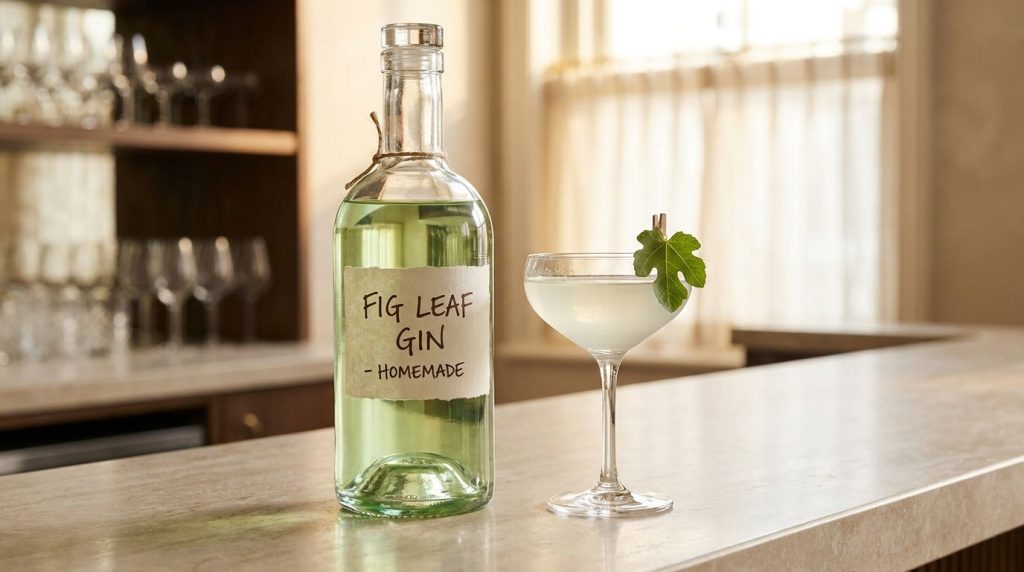
Quick Summary: Your Fig Leaf Gin Cheat Sheet
- Best Preparation: Infusion of fresh, clean fig leaves in neutral gin or vodka.
- Best Use-Case: Unique twists on classic gin cocktails or sipping neat.
- Storage: Cool, dark place in a sealed bottle for several months.
- When to Use: Ideal for late spring through early autumn, when fig leaves are abundant and fresh.
- What to Avoid: Sprayed leaves, over-infusion, skipping the rest period.
Frequently Asked Questions About Fig Leaf Gin
Can I use dried fig leaves for this recipe?
While possible, fresh fig leaves are highly recommended. Dried leaves lose much of their aromatic complexity and may impart a less vibrant, sometimes hay-like flavor.
How long does homemade fig leaf gin last?
Properly stored in a cool, dark place, your infused gin can last for several months to over a year, similar to commercial spirits. The flavor may evolve slightly over time.
What kind of gin works best as a base?
A good quality, neutral dry gin allows the fig leaf flavor to complement existing botanicals without clashing. Avoid overly floral or citrus-heavy gins that might overpower the delicate fig leaf notes.
Is it safe to consume fig leaves?
Yes, fig leaves are used in various cuisines and traditional remedies. However, ensure they are free from pesticides and be mindful of potential latex allergies.
Can I make a larger batch?
Absolutely! Simply scale up the ingredients proportionally. Ensure you have large enough, clean, airtight containers for infusion and storage.
What other botanicals can I add?
For a unique twist, you could experiment with a tiny piece of vanilla bean, a strip of lemon peel, or a star anise during the last day or two of infusion. Start small to avoid overpowering the fig leaf.
Read more: How to Make Your Own Elderflower Liqueur at Home
A Toast to Creativity
Crafting your own fig leaf gin is more than just making a beverage; it’s an act of culinary adventure, transforming an often-overlooked garden resource into something truly special. With a little patience and attention to detail, you’ll unlock a world of unique flavors that will impress your friends and elevate your home bar. So next time you see a fig tree, don’t just think of the fruit – remember the aromatic potential hidden in its leaves.