Creamy Homemade Mashed Potatoes: Your Ultimate Comfort Food Side Dish
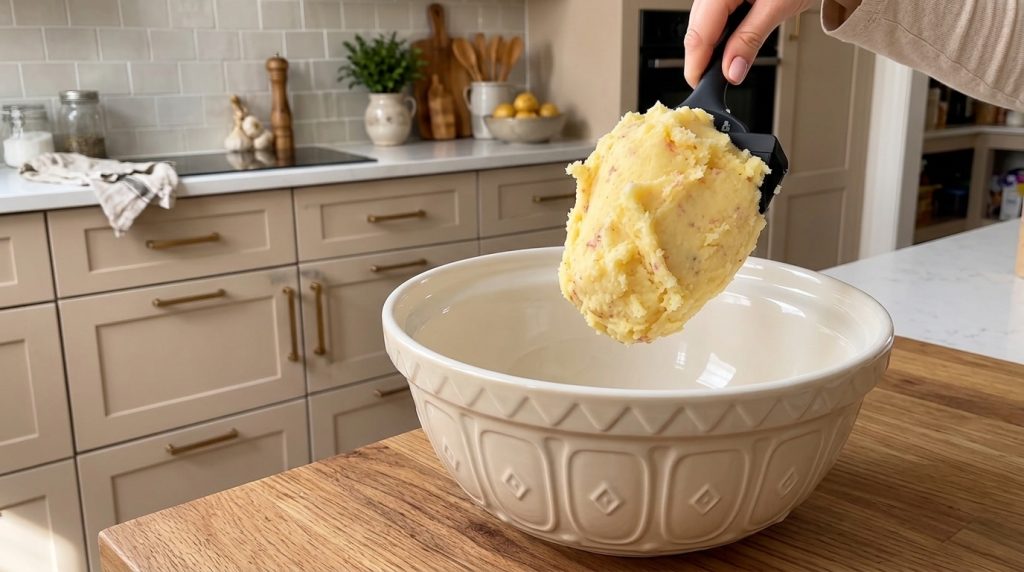
There are few dishes that evoke the feeling of comfort and home quite like a generous serving of creamy homemade mashed potatoes. Velvety smooth, rich with butter, and perfectly seasoned, this timeless side dish is a staple on dinner tables, holiday feasts, and casual weeknight meals alike. This recipe focuses on creating that irresistible texture and flavor, with just the right amount of rustic charm from leaving the potato skins on for added nutrients and texture.
Whether you’re looking for the perfect accompaniment to a juicy roast, a hearty steak, or simply craving that classic, satisfying potato goodness, our creamy homemade mashed potatoes deliver every time. They’re surprisingly simple to make, using just a few common ingredients to achieve a luxurious side that will have everyone asking for seconds. Get ready to elevate your comfort food game with this essential recipe!
Why You’ll Love This Recipe
- Effortlessly Delicious: Despite their rich taste, these mashed potatoes are incredibly simple to prepare, making them perfect for cooks of all skill levels.
- Simple Ingredients: You only need a handful of pantry staples to create this impressive side dish.
- Incredibly Creamy Texture: The combination of butter and warm dairy creates a luscious, smooth consistency that melts in your mouth.
- Family-Friendly: A universally loved classic, these potatoes are a guaranteed hit with both kids and adults.
- Versatile Side Dish: They pair perfectly with almost any main course, from holiday roasts to everyday chicken or fish.
- Hearty & Satisfying: A truly comforting food that leaves you feeling full and content.
Ingredients
For the best creamy homemade mashed potatoes, gather these essential ingredients:
- 2 lbs (about 900 g) Yukon Gold or Russet potatoes, unpeeled
- 1/2 cup (113 g) unsalted butter, softened
- 1/2 cup (120 ml) whole milk or half-and-half, warmed
- 1/4 teaspoon (1.25 g) garlic powder (optional, for extra flavor)
- 1 teaspoon (5 g) salt, or to taste
- 1/4 teaspoon (1.25 g) black pepper, or to taste
- Fresh chives, chopped (optional, for garnish)
Ingredient Notes
- Potatoes: Yukon Gold potatoes are ideal for their naturally buttery flavor and creamy texture when mashed, and their thin skin is delicious left on. Russet potatoes also work well, offering a fluffy texture, though their skin is a bit thicker but still edible. Avoid waxy potatoes like red or new potatoes, as they can become gluey when mashed.
- Butter: Use good quality unsalted butter for the best flavor. Softened butter incorporates more easily into the hot potatoes.
- Whole Milk/Half-and-Half: Warming the milk or half-and-half before adding it helps it absorb better into the potatoes and keeps the mixture hot. Half-and-half will yield an even richer, creamier result.
- Garlic Powder: A touch of garlic powder adds a subtle depth of flavor without the sharpness of fresh garlic, which can sometimes be overpowering.
- Salt & Pepper: These are crucial for enhancing the natural flavors of the potatoes. Always taste and adjust to your preference.
Equipment You’ll Need
- Large pot or Dutch oven
- Potato masher, ricer, or fork
- Measuring cups and spoons
- Large mixing bowl
- Serving spoon or scoop
How to Make Creamy Homemade Mashed Potatoes
Follow these simple steps to create perfect mashed potatoes every time:
-
Prepare the Potatoes
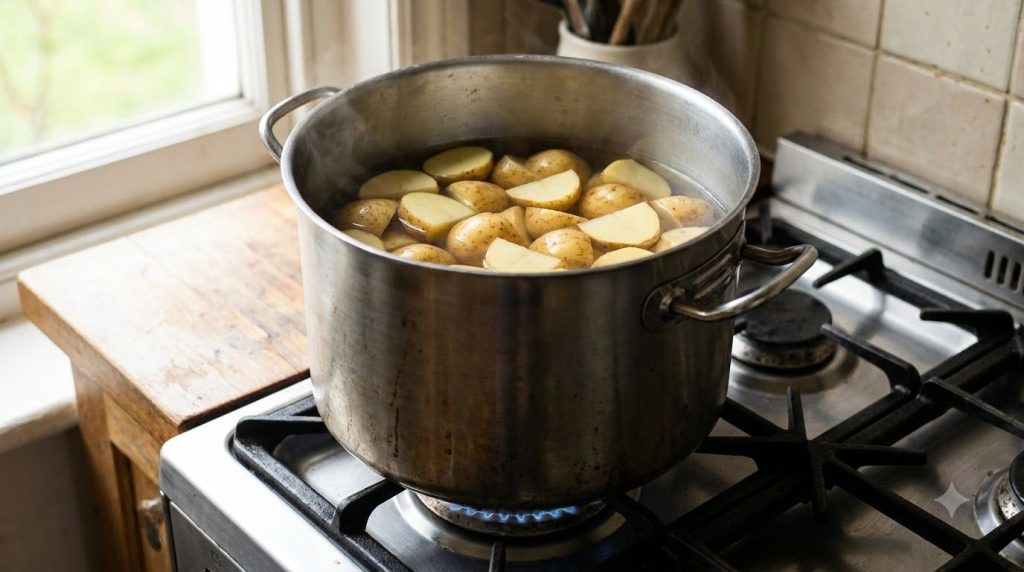
Thoroughly wash the potatoes to remove any dirt. Leave the skins on for added flavor, texture, and nutrients. Cut larger potatoes into quarters or 1-inch (2.5 cm) pieces to ensure even cooking. Place the cut potatoes in a large pot or Dutch oven.
-
Boil the Potatoes
Add enough cold water to the pot to cover the potatoes by about an inch (2.5 cm). Add a generous pinch of salt to the water (this seasons the potatoes from the inside out). Bring the water to a boil over high heat, then reduce the heat to medium-low and simmer, uncovered, for about 15-20 minutes, or until the potatoes are fork-tender. You should be able to easily pierce them with a fork.
-
Drain and Dry
Once tender, carefully drain the potatoes in a colander. For the creamiest results, return the drained potatoes to the empty hot pot and place it back on the stove over very low heat for 1-2 minutes, shaking the pot occasionally. This step helps evaporate any remaining moisture, ensuring your mashed potatoes aren’t watery.
-
Warm the Dairy and Butter
While the potatoes are drying slightly, gently warm the milk or half-and-half in a small saucepan or microwave until it’s steaming but not boiling. Add the softened butter to the warm milk to help it melt slightly.
-
Mash and Combine
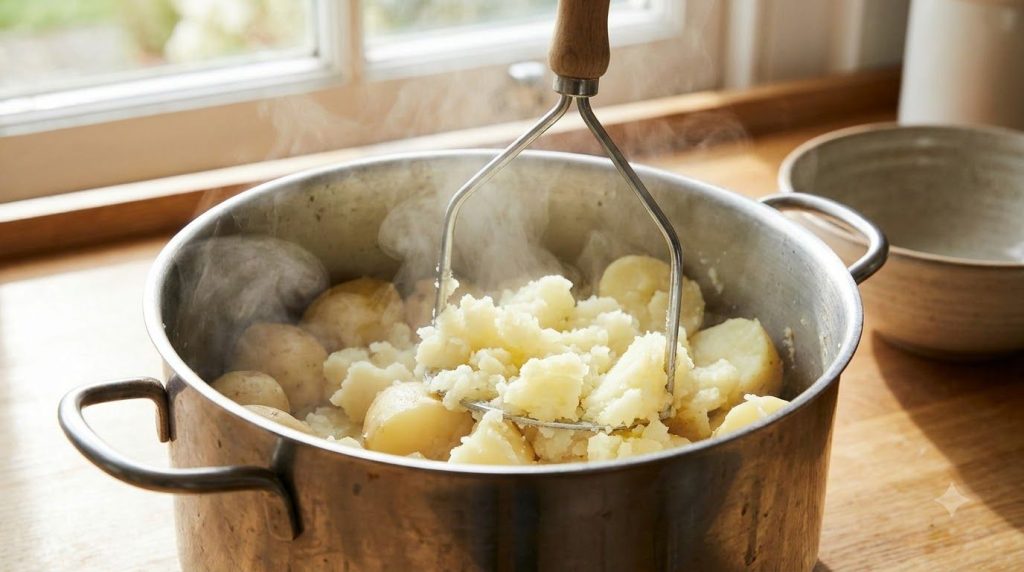
Remove the pot from the heat. Add the softened butter, warmed milk mixture, garlic powder (if using), salt, and pepper to the hot potatoes. Begin mashing the potatoes with a potato masher, fork, or ricer until they reach your desired consistency. Be careful not to over-mash, as this can lead to a gummy texture.
-
Season and Serve
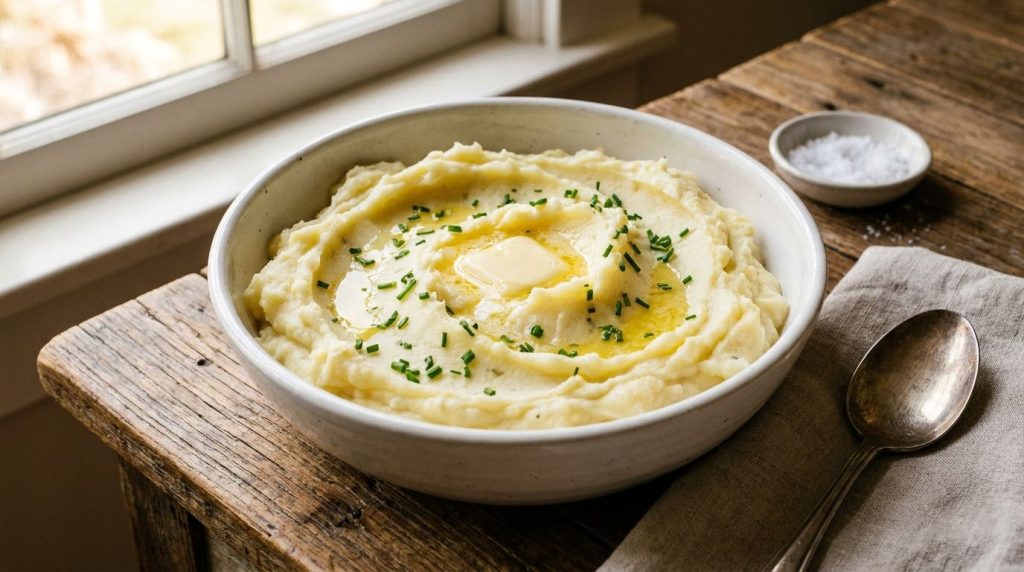
Taste the mashed potatoes and adjust seasoning as needed, adding more salt or pepper to your preference. If desired, stir in fresh chopped chives for a fresh, aromatic finish. Serve immediately as a comforting side dish!
Pro Tips for the Best Results
- Choose the Right Potatoes: As mentioned, Yukon Gold or Russet varieties are your best friends for creamy, fluffy mashed potatoes.
- Start with Cold Water: Always place your cut potatoes in cold water and then bring it to a boil. This allows the potatoes to cook more evenly from the outside in.
- Don’t Overcook: Overcooked potatoes absorb too much water and can become mushy or watery. Cook until just fork-tender.
- Drain Thoroughly: Excess water is the enemy of creamy mashed potatoes. The quick dry-out on the stove after draining is a game-changer.
- Warm Your Dairy: Cold milk or cream can cool down your potatoes, making them harder to mash evenly and potentially affecting the texture.
- Mash, Don’t Blend: Use a potato masher, ricer, or fork. A food processor or immersion blender will break down the starches too much, resulting in a gluey, unappetizing consistency.
- Season Generously and Taste: Potatoes need a fair amount of seasoning. Don’t be afraid to add salt and pepper to taste, and even a little more butter if you’re feeling indulgent.
Common Mistakes to Avoid
- Using Waxy Potatoes: Varieties like red or new potatoes have a higher moisture content and different starch structure that makes them waxy and gluey when mashed.
- Over-Mashing: Mashing too vigorously or for too long can rupture the potato cells, releasing too much starch and leading to a gummy, pasty texture.
- Adding Cold Dairy: Cold milk or cream won’t incorporate as smoothly and can lower the temperature of your potatoes, making them stiff.
- Not Draining Well Enough: Any leftover water will dilute the flavor and make your mashed potatoes watery instead of creamy.
- Under-Seasoning: Bland mashed potatoes are a common complaint. Potatoes soak up a lot of seasoning, so be sure to taste and adjust.
Variations & Substitutions
- Garlic Mashed Potatoes: Roast a head of garlic, squeeze out the softened cloves, and mash them in with the potatoes. Alternatively, add 1-2 cloves of minced fresh garlic to the warming milk.
- Herbed Mashed Potatoes: Stir in fresh chopped herbs like rosemary, thyme, or parsley along with the chives for an extra layer of flavor.
- Cheesy Mashed Potatoes: Fold in 1/2 to 1 cup (50-100 g) of shredded sharp cheddar, Parmesan, or Gruyere cheese while mashing.
- Dairy-Free Option: Substitute plant-based milk (unsweetened almond, soy, or oat milk) and vegan butter for a dairy-free version.
- Sour Cream or Cream Cheese: For an extra tangy and rich flavor, add 1/4 cup (60 g) of sour cream or cream cheese to the mashed potatoes.
Serving Suggestions
Creamy homemade mashed potatoes are incredibly versatile and pair well with a wide range of dishes. They are the perfect accompaniment to:
- Roasted chicken, turkey, or beef
- Pan-seared pork chops or steak
- Hearty stews and pot roasts
- Crispy fried chicken or fish
- A pool of rich gravy
- Served alongside steamed green beans or roasted asparagus for a complete meal.
Storage & Reheating
- Refrigerator: Store leftover mashed potatoes in an airtight container in the refrigerator for up to 3-4 days.
- Freezer: While you can freeze mashed potatoes, the texture may change slightly upon thawing, becoming a bit grainier. For best results, freeze in an airtight freezer-safe container or freezer bags for up to 2-3 months. Thaw overnight in the refrigerator before reheating.
- Reheating:
- Stovetop: Transfer leftovers to a saucepan over low heat. Add a splash of milk or broth and a small pat of butter, stirring frequently until heated through and creamy again.
- Microwave: Place in a microwave-safe dish, add a tablespoon or two of milk, cover, and microwave on medium heat, stirring every minute, until hot.
- Oven: For larger quantities, place in an oven-safe dish, cover with foil, and bake at 350°F (175°C) for 20-30 minutes, or until heated through.
FAQ
Can I make these mashed potatoes ahead of time?
Yes, you can! Prepare the mashed potatoes as directed, then store them in an airtight container in the refrigerator for up to 2 days. When ready to serve, reheat using the stovetop or oven methods, adding a little extra milk or butter to restore their creamy texture.
Why are my mashed potatoes gummy?
Gummy mashed potatoes are usually a result of over-mashing. When potatoes are over-processed (especially with a food processor or by mashing too vigorously), their starches are broken down too much, leading to a gluey, pasty texture. Use a simple potato masher or ricer and stop as soon as they are smooth.
What’s the best type of potato for mashing?
Starchy potatoes like Yukon Gold or Russet (also known as Idaho potatoes) are best for mashed potatoes. They break down easily and absorb butter and milk beautifully, resulting in a light and fluffy or creamy texture. Yukon Golds are particularly prized for their natural buttery flavor and smooth finish, even with the skin on.
Can I use water instead of milk?
While you could use water, it will significantly reduce the creaminess and richness of the mashed potatoes. Milk, half-and-half, or cream are recommended for their fat content and flavor, which contribute to the desired texture and taste.
How do I make my mashed potatoes extra creamy?
To achieve extra creamy mashed potatoes, use half-and-half or heavy cream instead of milk. You can also increase the amount of butter slightly, or stir in a tablespoon or two of cream cheese or sour cream at the end of mashing.
Can I freeze mashed potatoes?
Yes, mashed potatoes can be frozen, but be aware that the texture may change slightly upon thawing and reheating, often becoming a bit mealier or grainier. For best results, freeze in individual portions and add a splash of milk or cream when reheating to help restore moisture.
What’s the best tool for mashing potatoes?
A potato ricer or a hand-held potato masher are the best tools. A ricer produces the lightest, fluffiest mashed potatoes by forcing them through small holes. A good old-fashioned masher provides a slightly chunkier, rustic texture that many people love. Avoid food processors or blenders as they tend to over-process the potatoes.
Recipe Card
Recipe Name: Creamy Homemade Mashed Potatoes
Short Description: Rich, creamy, and flavorful homemade mashed potatoes with the skins on for extra texture and nutrients.
Prep Time: 15 minutes
Cook Time: 20-25 minutes
Total Time: 35-40 minutes
Servings: 6 servings
Course: Side Dish
Cuisine: American
Cooking Method: Boiling, Mashing
Ingredients:
- 2 lbs (about 900 g) Yukon Gold or Russet potatoes, unpeeled
- 1/2 cup (113 g) unsalted butter, softened
- 1/2 cup (120 ml) whole milk or half-and-half, warmed
- 1/4 teaspoon (1.25 g) garlic powder (optional, for extra flavor)
- 1 teaspoon (5 g) salt, or to taste
- 1/4 teaspoon (1.25 g) black pepper, or to taste
- Fresh chives, chopped (optional, for garnish)
Instructions:
- Prepare the Potatoes: Thoroughly wash the potatoes, leaving skins on. Cut larger potatoes into quarters or 1-inch (2.5 cm) pieces for even cooking. Place in a large pot.
- Boil the Potatoes: Cover potatoes with cold water by an inch (2.5 cm). Add a pinch of salt. Bring to a boil, then reduce heat to medium-low and simmer for 15-20 minutes until fork-tender.
- Drain and Dry: Drain potatoes in a colander. Return to the hot pot over very low heat for 1-2 minutes, shaking occasionally, to evaporate excess moisture.
- Warm the Dairy and Butter: Gently warm milk/half-and-half and soften butter.
- Mash and Combine: Remove pot from heat. Add butter, warm milk mixture, garlic powder (if using), salt, and pepper to the hot potatoes. Mash with a potato masher, ricer, or fork until desired consistency, being careful not to over-mash.
- Season and Serve: Taste and adjust seasoning. Stir in chives if desired. Serve immediately.
Notes:
For the creamiest results, always use starchy potatoes and avoid over-mashing. Warming the dairy ensures smoother incorporation and a hotter finished dish.
Storage:
Store in an airtight container in the refrigerator for up to 3-4 days. Can be frozen, but texture may vary upon reheating.
Nutrition:
Nutrition information is an estimate and may vary depending on the ingredients and brands used.